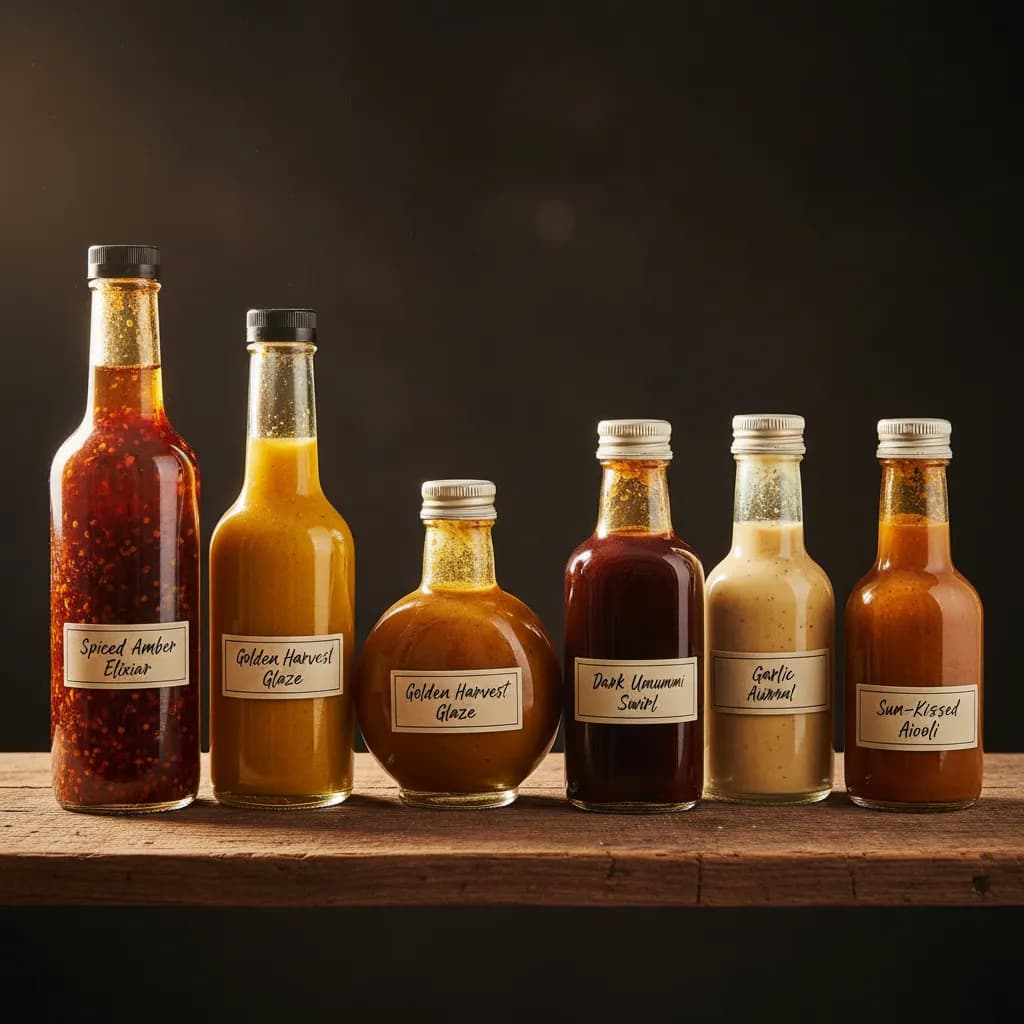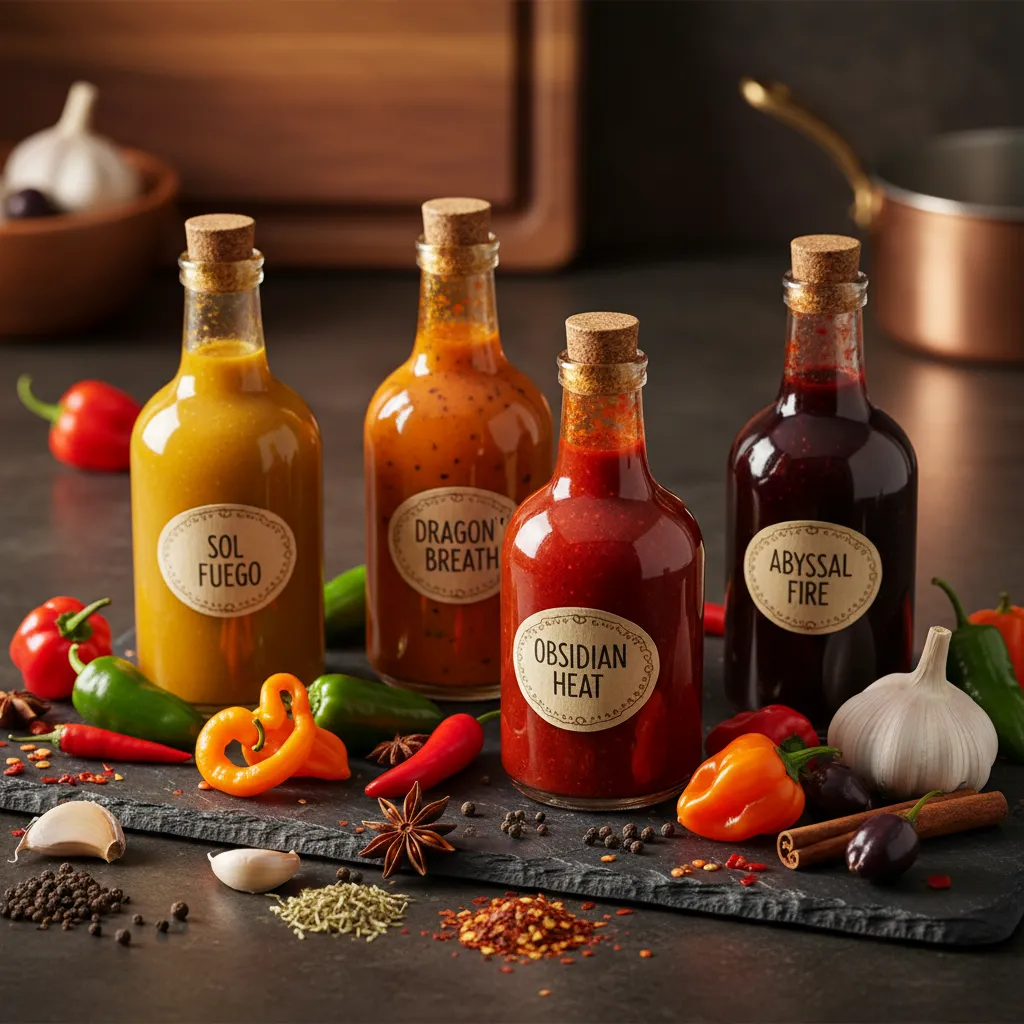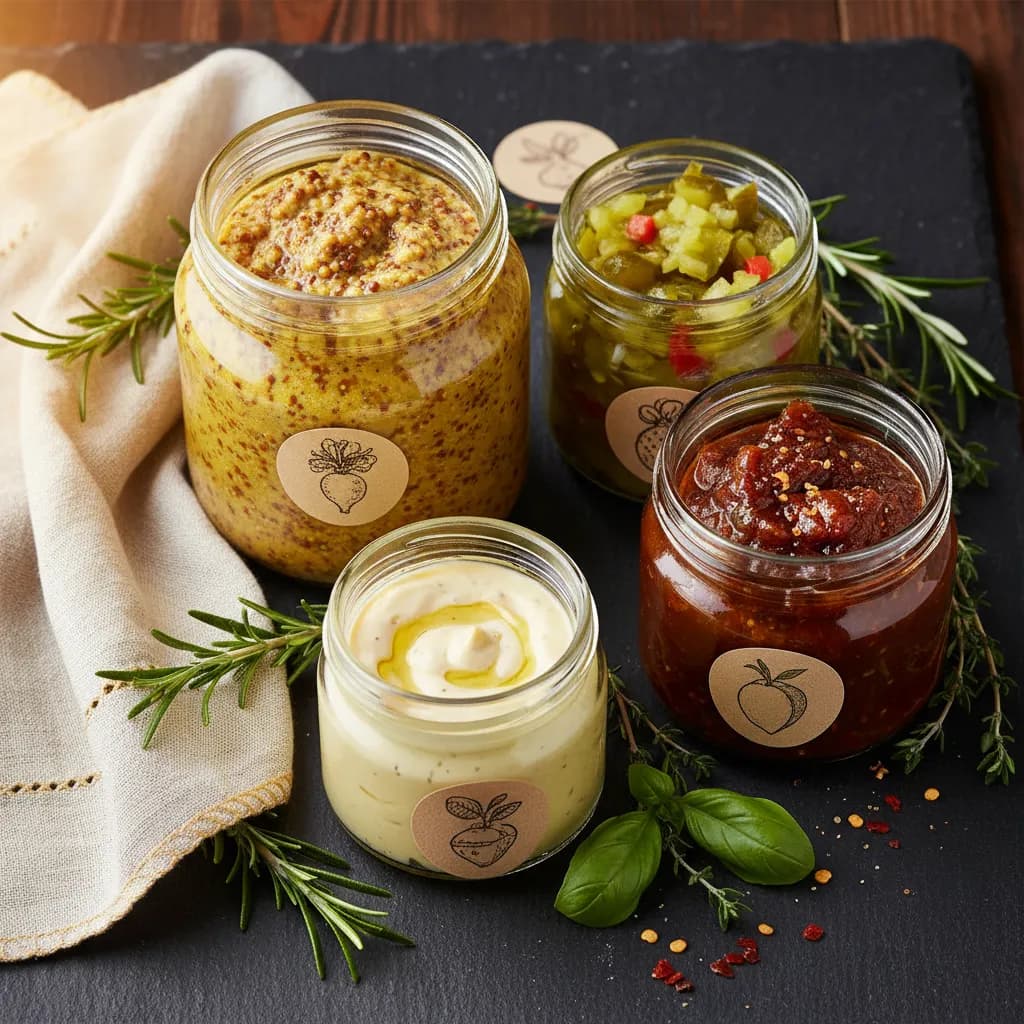
The Central Tension in Every Condiment Formula
Every condiment formulator faces the same fundamental challenge: the things that make a product taste extraordinary are often the same things that make it unstable on a shelf. Fresh garlic develops off-flavors. Fruit purees ferment. Herbs oxidize. Oils go rancid. The art of condiment formulation is finding the intersection where bold flavor survives 12 to 18 months of ambient storage without relying on ingredients that make consumers put the bottle back on the shelf.
I have spent years navigating this tension for CPG brands across every condiment category — mustards, ketchups, relishes, aiolis, chutneys, finishing sauces, and everything in between. The principles are consistent even when the specific chemistry changes. This article breaks down the science of formulating condiments that taste like they were made yesterday, even when they were bottled six months ago.
Understanding the Three Pillars of Shelf Stability
Shelf stability in condiments rests on three measurable parameters. If you control these three things, you control your product's fate on the shelf:
pH: Your First Line of Defense
pH is the single most important parameter in condiment shelf stability. The critical threshold is 4.6 — below this, Clostridium botulinum cannot produce toxin, which is the primary safety concern for shelf-stable foods. But safety and quality are different targets. For quality shelf life, you typically want to be well below 4.6:
- pH 2.5–3.0: Vinegar-forward products (hot sauces, vinegar-based BBQ sauces, pickled condiments). Very stable but limits flavor options.
- pH 3.0–3.5: The sweet spot for most condiments. Low enough for excellent stability, high enough to allow fruit, vegetable, and umami flavors to come through without being dominated by acid.
- pH 3.5–4.0: Where things get interesting. Many tomato-based sauces, fruit chutneys, and sweet condiments live here. Stable but requires more careful formulation and may need additional hurdles.
- pH 4.0–4.6: The danger zone for shelf-stable products. You need additional preservation hurdles (water activity, preservatives, or both) and a process authority filing. Many cream-based and low-acid condiments fall here and require refrigeration instead.
Water Activity: The Hidden Variable
Water activity (aw) measures the available water in your product — the water that microorganisms and enzymes can actually use. Pure water has an aw of 1.0; a completely dry product approaches 0. Most condiments fall between 0.85 and 0.97.
Key thresholds to know:
- Below 0.85: Most bacteria cannot grow. This is the threshold for products that do not require refrigeration even at higher pH values. Dense fruit preserves, some concentrated sauces, and honey are in this range.
- 0.85–0.91: Most yeasts and molds inhibited. Salt-heavy and sugar-heavy condiments (think soy sauce at 0.80 or jam at 0.82).
- Above 0.91: Bacteria, yeasts, and molds can all grow if pH and other factors allow it. Most fresh-style condiments are here and rely on pH as their primary barrier.
You can lower water activity by increasing soluble solids — sugar, salt, glycerol, or concentrated fruit. But each of these changes flavor. Formulating for aw is a balancing act between stability and taste. Adding 5% more sugar to lower aw also makes your condiment noticeably sweeter, which may or may not align with your flavor architecture.
Thermal Processing: Time and Temperature
The third pillar is your thermal process — the heat treatment that kills microorganisms and inactivates enzymes. For acidified condiments (pH below 4.6), the requirement is pasteurization to destroy vegetative cells, yeasts, and molds. The standard target is an internal temperature of 185°F held for the time specified in your scheduled process.
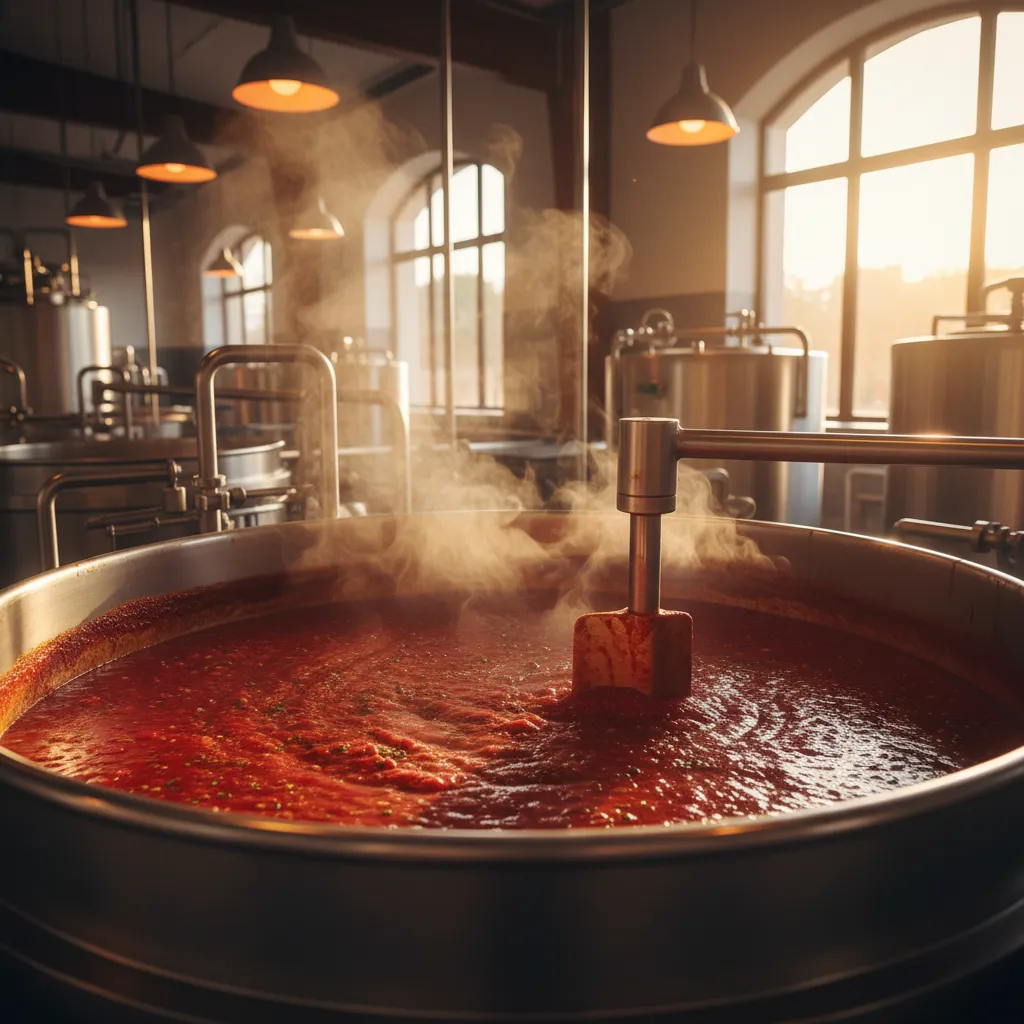
Kettle cooking naturally provides significant thermal treatment because cook times are long. But if you are making a fresh-style condiment with minimal cooking, you may need a separate hot-fill step or tunnel pasteurization after filling. The method matters for flavor: a hot-fill at 195°F affects taste differently than a slow kettle cook to 200°F.
Flavor Development Strategies That Survive the Shelf
Now that you understand the stability framework, let us talk about building flavor within those constraints. Here are the strategies I use most frequently:
Heat-Stable Flavor Building
Some flavor compounds survive thermal processing and shelf storage beautifully. Build your flavor foundation with these:
- Maillard reaction products: Brown, roasted, caramelized flavors are inherently stable because they are already the products of heat-induced reactions. A sauce that gets its depth from roasted tomatoes, caramelized onions, or toasted spices will taste consistent at month 12.
- Fermented ingredients: Fermentation produces stable flavor compounds — organic acids, umami peptides, and melanoidins — that change very little during shelf storage. Fermented chili mash, miso, fish sauce, and fermented garlic are all excellent shelf-stable flavor bombs.
- Spice extractives: Oleoresins and essential oils from spices (cumin, coriander, black pepper) are more shelf-stable than whole or ground spices, which can oxidize and develop off-flavors. In production formulas, I often use a combination of whole spices for early-cook flavor development and extractives for consistent flavor that does not fade.
Protecting Volatile and Delicate Flavors
The flavors consumers notice most — fresh herbs, citrus zest, raw garlic, fresh pepper aroma — are also the most fragile. Strategies for preservation:
- Late addition: Add delicate flavors after the main cook, during the cool-down phase. The product is still hot enough for food safety but not hot enough to volatilize delicate aromatics.
- Encapsulation: Some flavor systems can be encapsulated in modified starch or gum arabic matrices that protect them from heat and oxidation. This is more common in dry seasoning blends but can be adapted for sauces.
- Acid protection: Citric acid and ascorbic acid act as antioxidants that protect flavor compounds from oxidative degradation. A small addition of ascorbic acid (0.05–0.1%) can significantly extend the flavor life of a condiment without appearing on the label as anything other than "vitamin C" or "ascorbic acid."
- Headspace management: Oxygen in the bottle headspace is the enemy of flavor stability. Hot-filling minimizes headspace oxygen. Nitrogen flushing before capping eliminates it almost entirely. If your co-packer cannot nitrogen flush, push for the hottest possible fill temperature to create a strong vacuum as the product cools.
For brands specifically focused on eliminating synthetic preservatives, I have a separate deep dive on extending shelf life without artificial ingredients.
Common Formulation Pitfalls and How to Avoid Them
After hundreds of formulation projects, I see the same mistakes repeatedly. Here are the ones that cost brands the most time and money:
- Formulating to taste first, stability second. If you develop a recipe that tastes perfect at pH 5.2 and then try to acidify it down to 3.8, you will ruin the flavor. Always design your flavor architecture within the pH range you need, not the other way around.
- Ignoring ingredient variability. Tomato paste Brix varies by 2–3 points between suppliers. Vinegar grain strength varies. Honey moisture content varies. Your formula needs critical control points with ranges, not single targets. I specify pH as a range (e.g., 3.2–3.5) with acid adjustment instructions so the operator can hit the target regardless of ingredient batch variation.
- Using fresh ingredients without accounting for microbial load. Fresh garlic carries Clostridium botulinum spores on the surface. Fresh herbs carry yeasts and molds. This does not mean you cannot use them, but you must ensure your process delivers adequate thermal kill and your pH provides the safety margin.
- Skipping accelerated shelf life testing. I have seen brands launch with a 12-month shelf life claim based on "well, it is acidified, so it should be fine." At month 8, the color has turned brown, the texture has thinned, and the flavor has gone flat. A 3-month accelerated study at 100°F would have caught all of these issues before launch.
Getting the formula right from the start is not just about food safety — it is about protecting your brand. A product recall or a shelf full of discolored bottles can end a young brand. For a deeper look at the formulation process for a specific condiment category, see my article on developing a signature hot sauce.
Building a Production-Ready Formula Document
A production-ready condiment formula is not a recipe. It is a manufacturing document that enables a co-packer to produce your product consistently, safely, and at scale. Here is what it must include:
- Ingredient specification sheet: Every ingredient listed with approved suppliers, specification ranges (Brix, grain strength, mesh size, moisture content), and acceptable substitutes.
- Batch formula: Quantities in weight (never volume) for a standard batch size, with scaling instructions. Includes overage calculations for evaporative loss.
- Process instructions: Step-by-step cook procedure with temperatures, times, agitation speeds, and addition sequences. "Add vinegar" is not a process instruction. "Add 120 grain white distilled vinegar at 185°F, hold for 5 minutes with sweep agitation at 15 RPM" is a process instruction.
- Critical control points: pH measurement points with target ranges and corrective actions. Temperature verification points. Fill temperature minimums.
- Quality specifications: Target ranges for finished product pH, Brix, viscosity, color, and weight/volume per unit.
I deliver all of this in a standard format that co-packers recognize and can implement without interpretation. The goal is to remove ambiguity so that batch 1 and batch 500 taste the same.
Frequently Asked Questions
How do you balance bold flavor with a low pH requirement?
The key is choosing acids that contribute flavor, not just acidity. Apple cider vinegar adds fruity depth. Rice vinegar adds mild sweetness. Citrus juice adds brightness. I also build flavor through Maillard reactions and caramelization during cooking, which produce stable, complex flavors that stand up to acid. The worst approach is making a delicious sauce and then dumping in white vinegar to hit pH — that just tastes like vinegar with sauce in it. Design the acid as part of the flavor from the beginning.
What is the minimum shelf life retailers expect for condiments?
Most retail buyers expect a minimum 12-month shelf life from the date of manufacture, and they typically require at least 6–9 months remaining at the time of delivery. This means your product realistically needs to be stable and high-quality for 18+ months to account for production, warehousing, distribution, and retail display time. Premium specialty retailers may accept shorter shelf lives (6–9 months) for refrigerated products, but this limits your distribution options significantly.
Can fermented condiments be shelf-stable without refrigeration?
Yes, if they are properly processed after fermentation. A fermented chili sauce or fermented mustard can be pasteurized after fermentation to halt the fermentation process, then hot-filled into bottles for shelf-stable distribution. The fermentation flavor compounds remain, but active cultures are killed. If you want to sell a live, actively fermenting condiment, it must be refrigerated and will have a shorter shelf life (typically 3–6 months). Most commercial fermented condiments on shelf-stable shelves are pasteurized post-fermentation.
How do you prevent color changes during shelf life?
Color degradation is primarily caused by oxidation, light exposure, and non-enzymatic browning. Strategies include: using opaque or amber glass to block light, nitrogen flushing headspace to remove oxygen, adding ascorbic acid as an antioxidant, choosing heat-stable pigments (beet juice powder holds better than fresh beet juice), and controlling storage temperature. Accelerated shelf life testing specifically monitors color change using a colorimeter or spectrophotometer so you can predict how the product will look at month 12.
What is the difference between natural and artificial preservatives in condiments?
Artificial preservatives like sodium benzoate, potassium sorbate, and calcium disodium EDTA are highly effective at preventing microbial growth and oxidation at very low usage levels. Natural alternatives include vinegar (acetic acid), citric acid, rosemary extract, green tea extract, cultured dextrose, and fermented sugar solutions. Natural preservatives generally require higher usage levels and work through different mechanisms — often by lowering pH or providing antioxidant activity rather than direct antimicrobial action. The trade-off is that natural preservation systems are less forgiving of process variations and typically deliver shorter shelf lives unless combined with other hurdle approaches.
Need Help With Your Formulation?
Whether you're scaling your first recipe or reformulating an existing product, let's talk about how to get it right.
Book a Free Discovery Call