RESOURCES
Insights for Food Entrepreneurs
Practical knowledge on scaling recipes, clean label formulation, and building a CPG brand that keeps its integrity at every stage of growth.

Scaling & Production
How to Scale a Kitchen Recipe for Commercial Manufacturing
Your recipe works at home. But scaling from a 2-quart pot to a 500-gallon kettle changes everything — pH, viscosity, cook times, and flavor chemistry all shift. Here's how to navigate that transition.

Scaling & Production
Working with Co-Packers: What Every Food Entrepreneur Needs to Know
Co-packers are essential for getting your product to market — but the relationship is more nuanced than handing over a recipe. Learn how to choose, communicate with, and manage your co-packing partner.
Scaling & Production
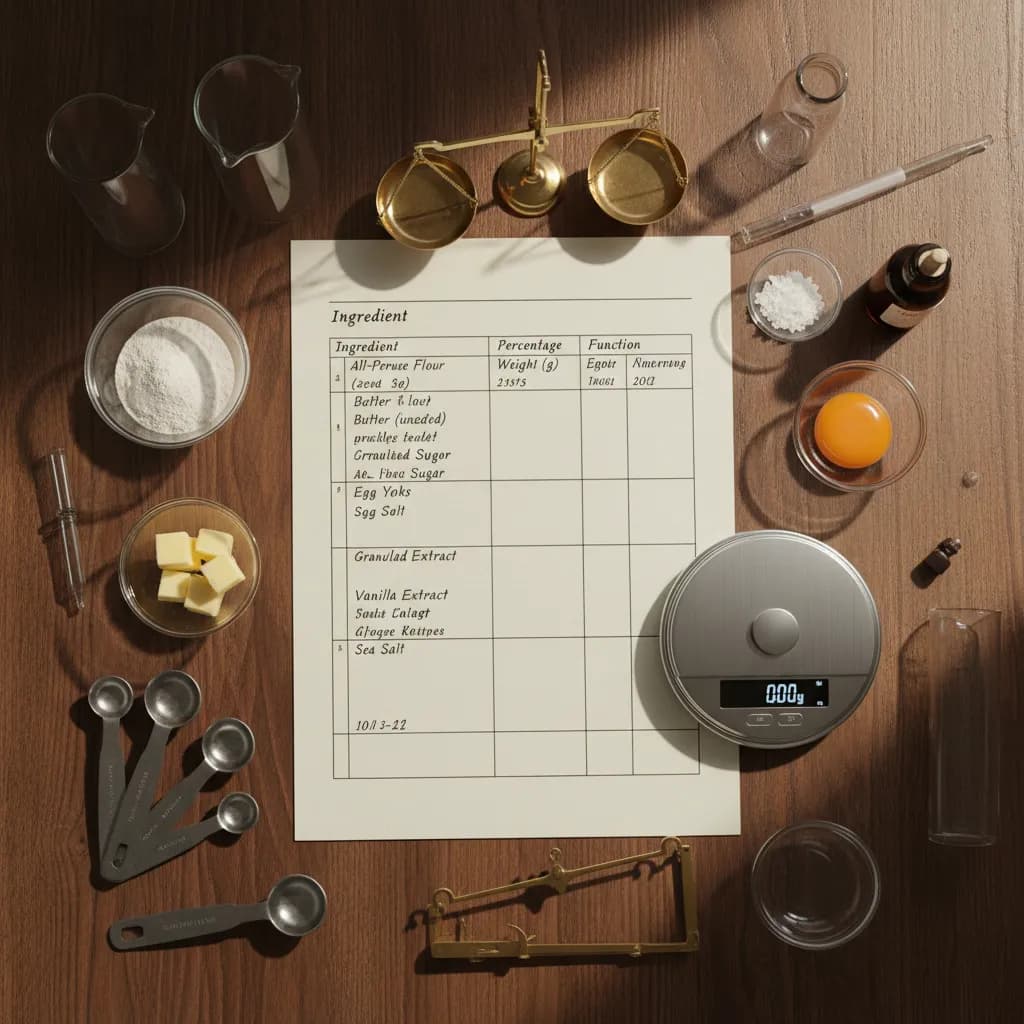
What Makes a Recipe 'Production-Ready'?
A production-ready recipe is more than a list of ingredients and steps. It's a precise technical document that eliminates guesswork on the production floor. Here's what separates a home recipe from a manufacturing spec.
Scaling & Production
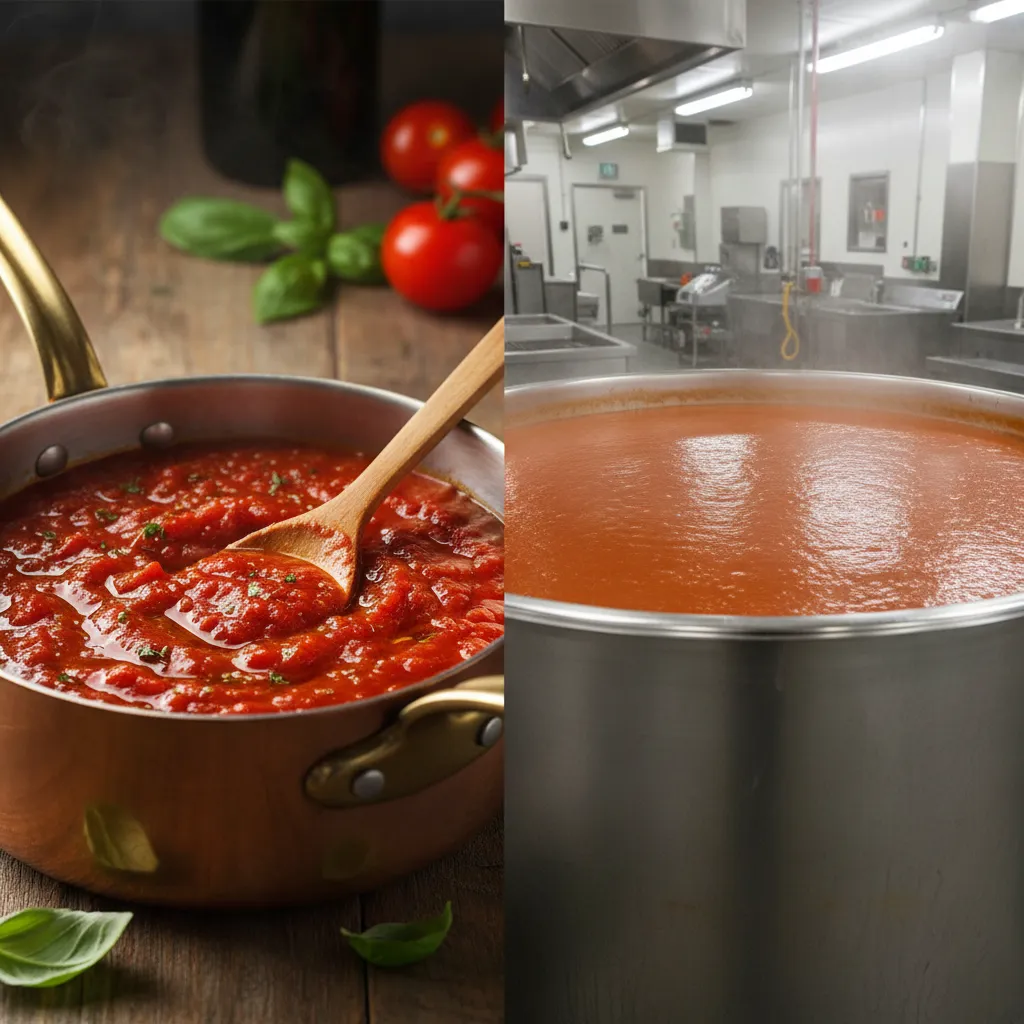
Common Mistakes When Scaling Sauce Recipes for Manufacturing
Scaling a sauce recipe is where most food entrepreneurs hit their first wall. The physics of heat transfer, the chemistry of emulsions, and the biology of preservation all change at scale.
Scaling & Production
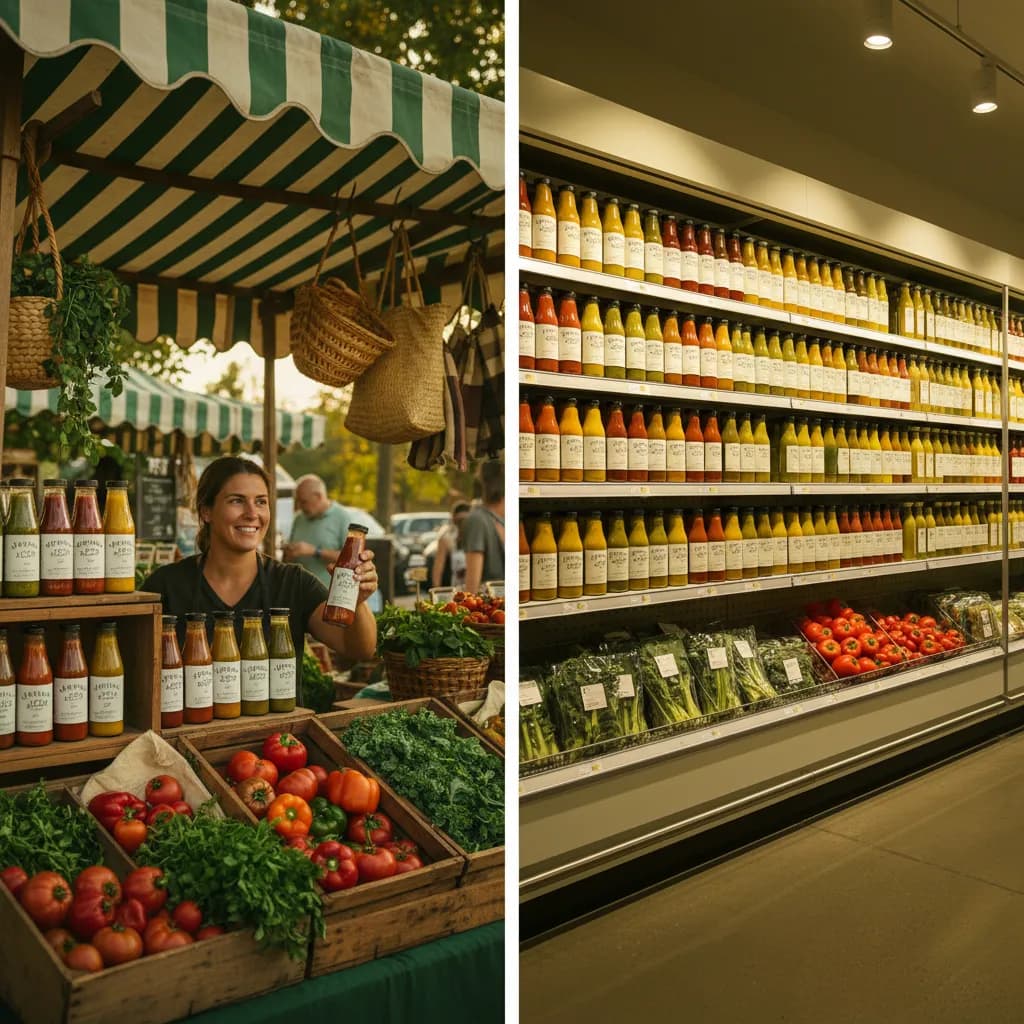
From Farmers Market to Retail Shelf: A Founder's Scaling Roadmap
You've sold out at the farmers market every weekend. Now what? The path from direct-to-consumer to retail distribution requires rethinking your recipe, your packaging, and your production process.
Clean Label & Ingredients
What 'Clean Label' Really Means for CPG Brands in 2026
Clean label has evolved far beyond 'no artificial ingredients.' Today's consumers and retailers have specific expectations around transparency, sourcing, and formulation integrity. Here's the current standard.
Clean Label & Ingredients
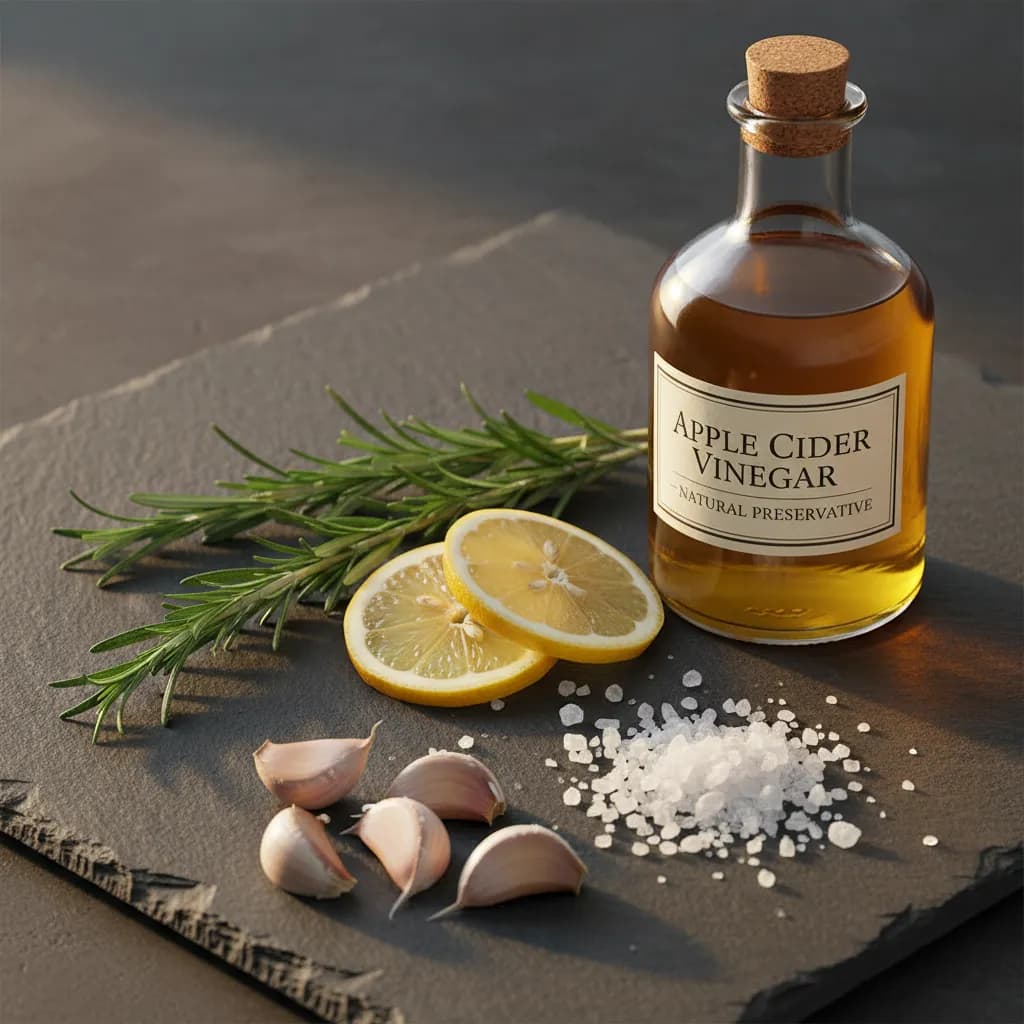
Natural Preservatives: Clean Alternatives That Actually Work
Ditching synthetic preservatives doesn't mean accepting a two-week shelf life. The right combination of natural preservation strategies can deliver real shelf stability without compromising your clean label.
Clean Label & Ingredients
How to Extend Shelf Life Without Artificial Ingredients
Retailers want 12-18 months of shelf life. Your brand stands for clean ingredients. These goals don't have to conflict — but bridging them requires understanding the science behind spoilage.
Clean Label & Ingredients
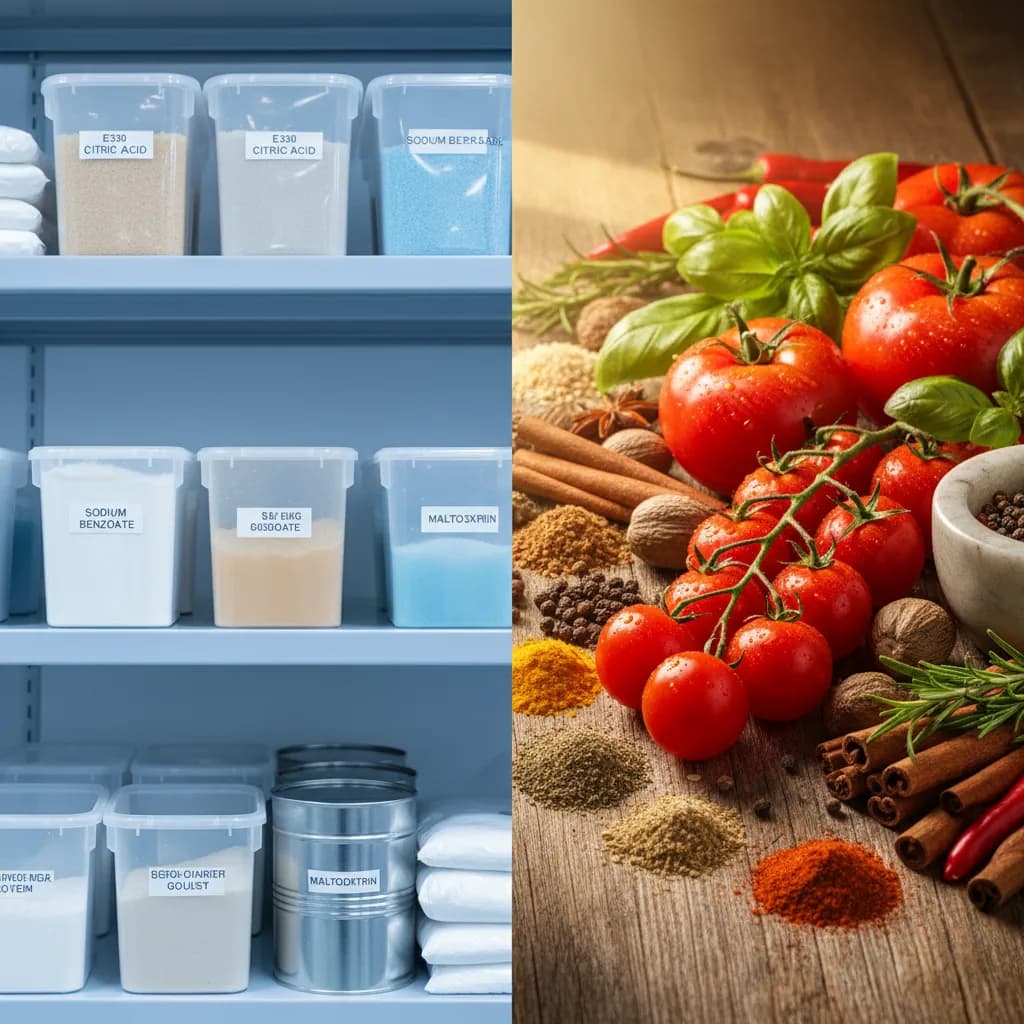
The Hidden Cost of Cheap Ingredients in Food Products
That cheaper thickener or artificial flavor might save pennies per unit — but the downstream costs in brand reputation, customer retention, and reformulation work often dwarf the savings.
Clean Label & Ingredients
Ingredient Transparency: Why Your Label Is Your Brand Promise
In an era where consumers photograph and research every ingredient on your label, transparency isn't optional — it's your most powerful differentiator.
Sauces, Condiments & Kettle-Cooked
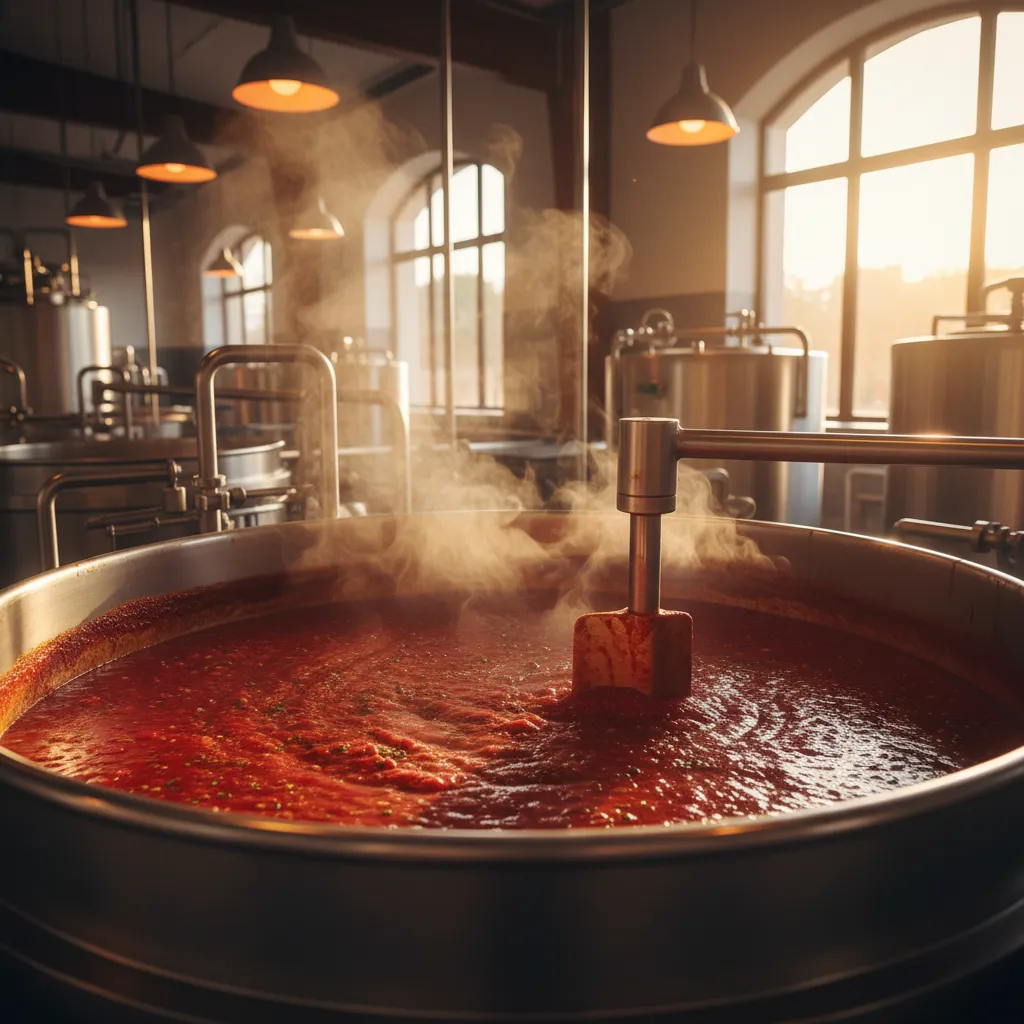
Why Kettle Cooking Produces Better Sauces and Condiments
Kettle cooking isn't nostalgia — it's science. The slow, even heat of a steam-jacketed kettle develops flavor compounds that flash-processing simply can't replicate.
Sauces, Condiments & Kettle-Cooked
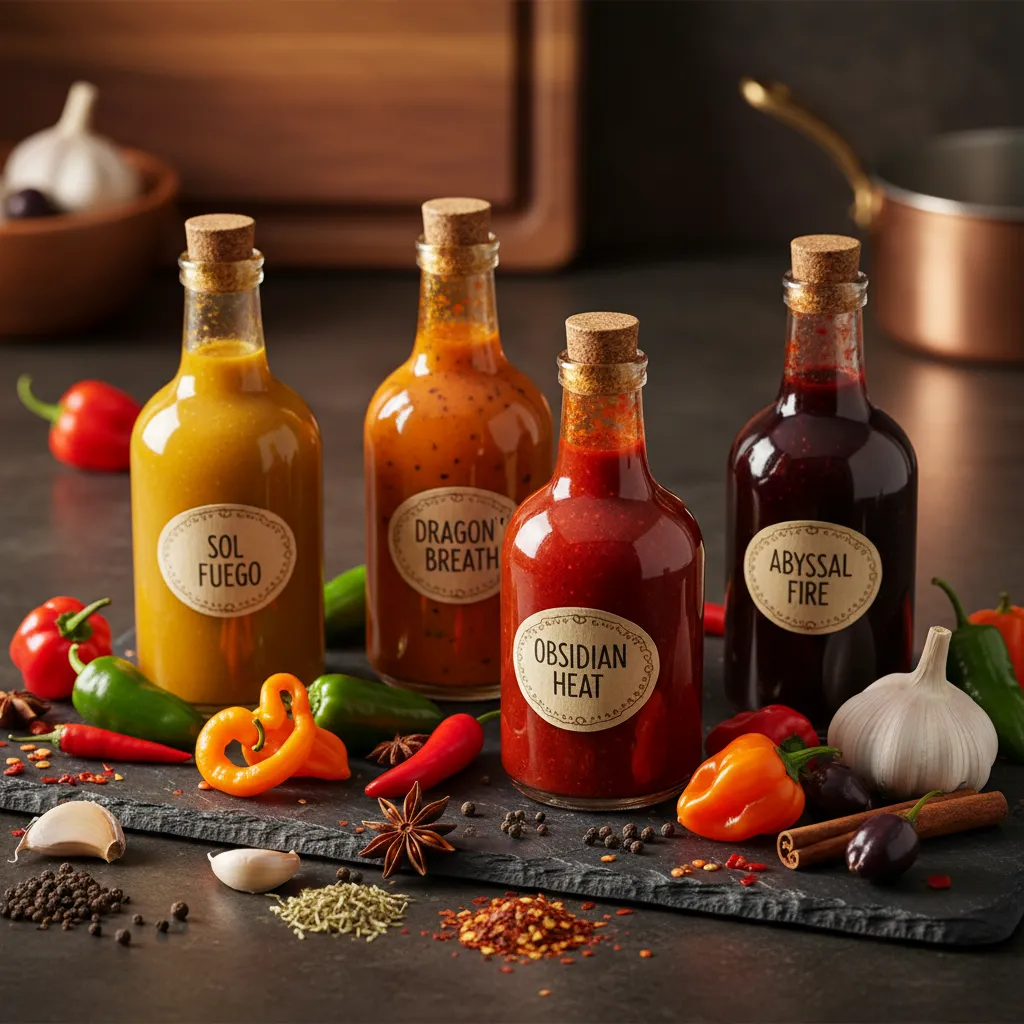
Developing a Signature Hot Sauce: From Concept to Retail Shelf
The hot sauce market is booming — but standing out requires more than a catchy label. From pepper selection to heat curve engineering, here's how to develop a hot sauce that earns its shelf space.
Sauces, Condiments & Kettle-Cooked
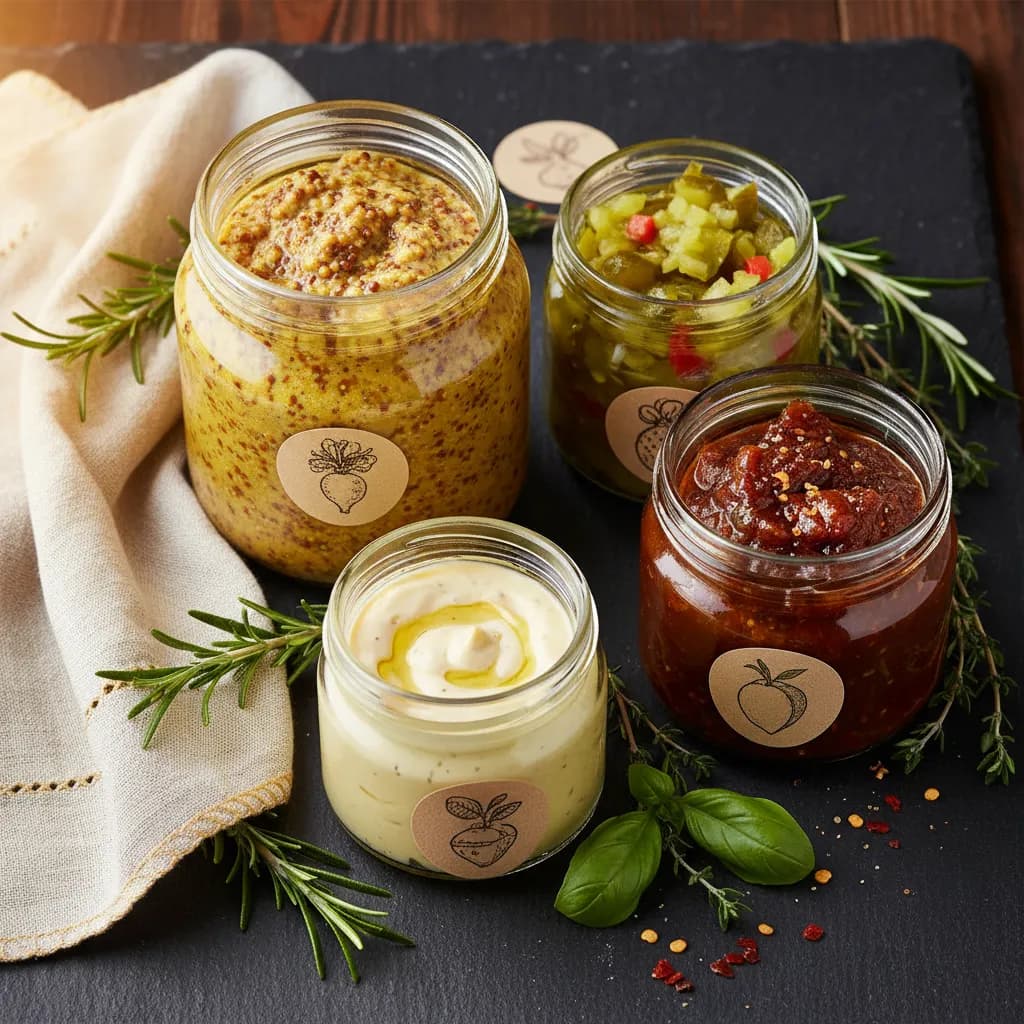
Condiment Formulation: Balancing Bold Flavor with Shelf Stability
Great condiments walk a tightrope between flavor intensity and shelf stability. The ingredients that make a condiment delicious are often the same ones that make it unstable. Here's how to solve that.
Sauces, Condiments & Kettle-Cooked
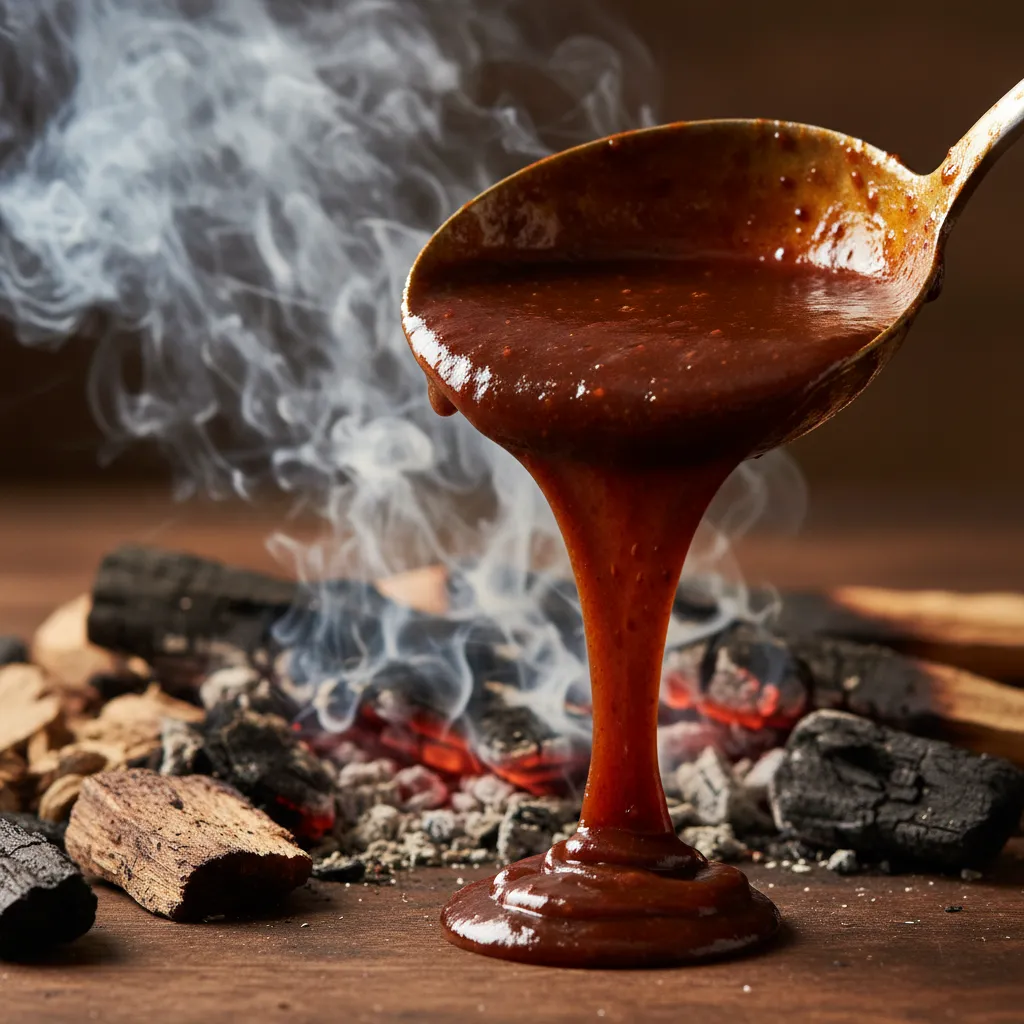
BBQ Sauce at Scale: Preserving Smoky Complexity in Production
Smoke flavor is volatile. Literally. The aromatic compounds that give your BBQ sauce its signature character are the first things to dissipate in high-heat commercial processing.
Sauces, Condiments & Kettle-Cooked
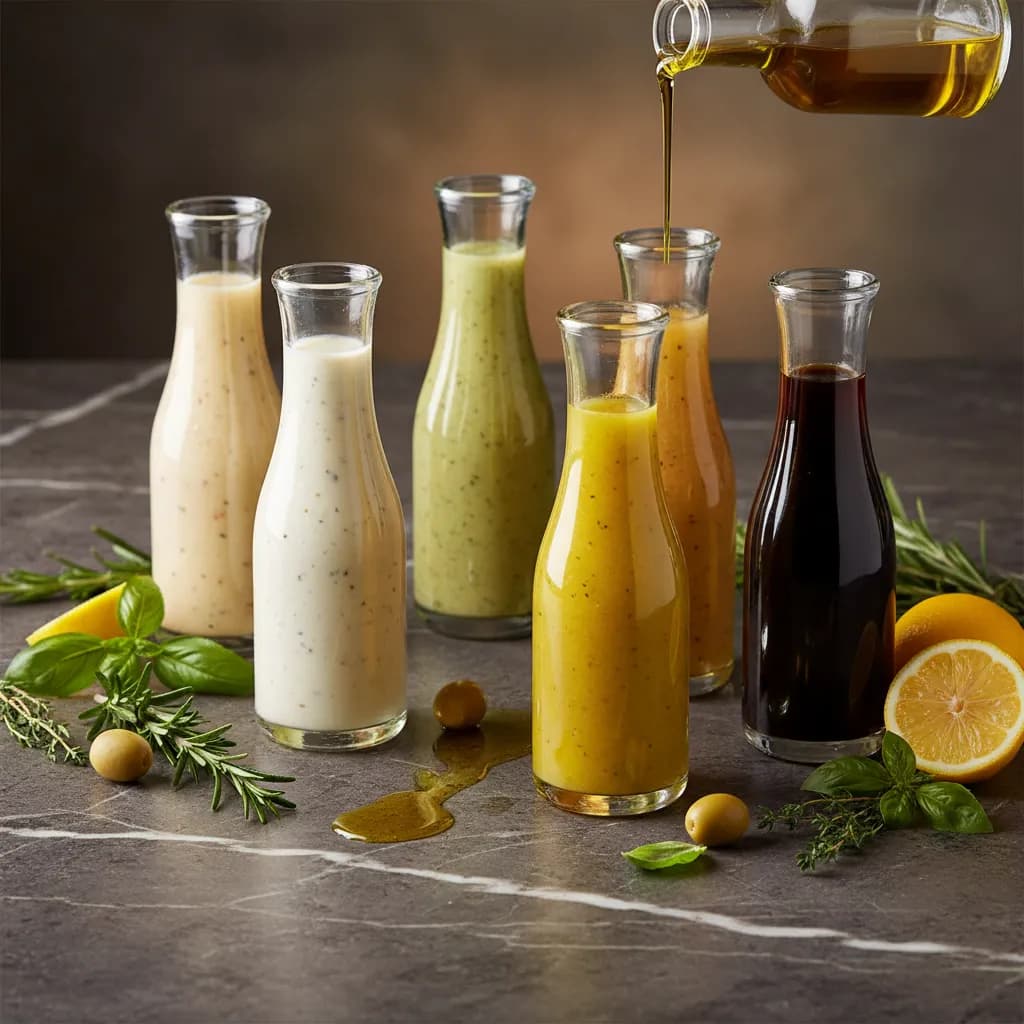
Clean Label Dressings: Solving the Emulsion Challenge
Dressings that stay emulsified on the shelf without xanthan gum, polysorbates, or other synthetic emulsifiers — it's possible, but it requires understanding the chemistry of oil-and-water systems.
Strategy for Food Entrepreneurs
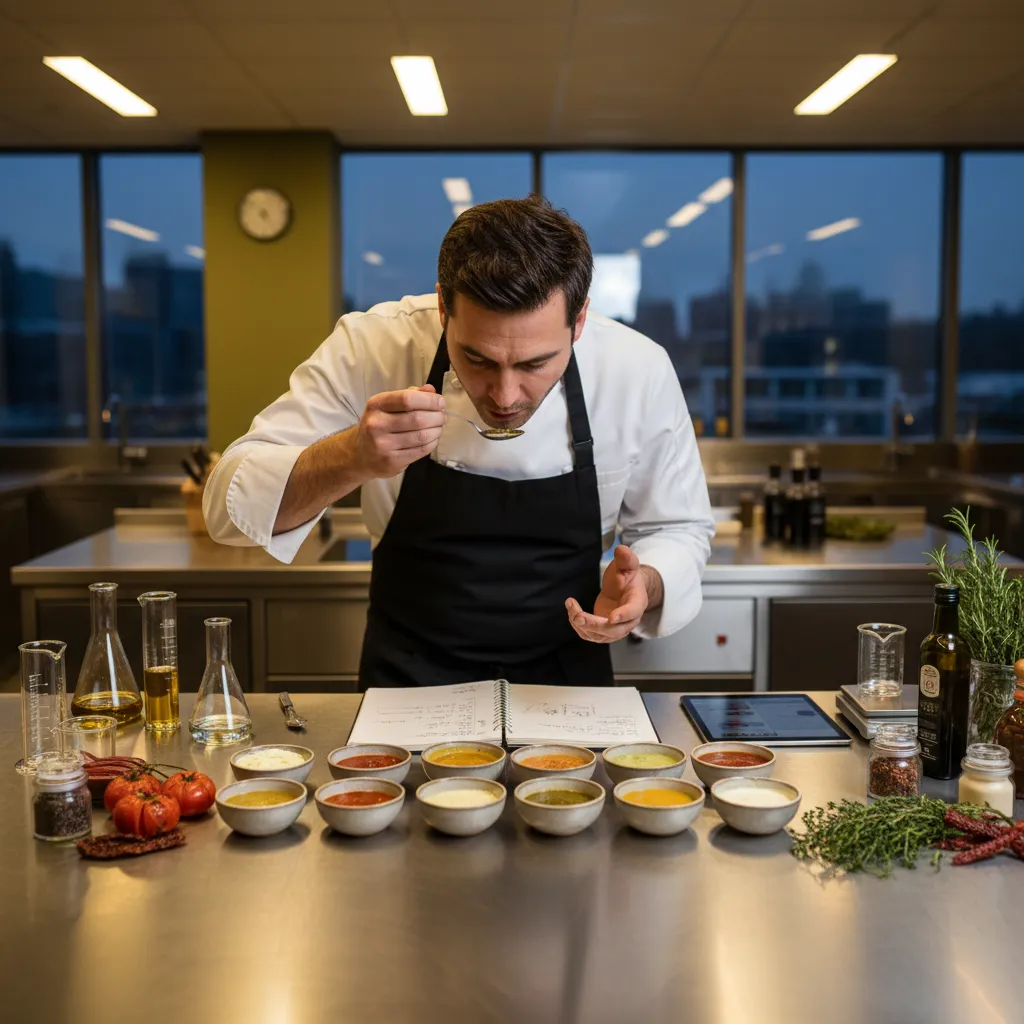
When to Hire a Recipe Developer (And What to Expect)
You've taken your recipe as far as you can on your own. But when exactly is the right time to bring in a professional recipe developer — and what should the process look like?
Strategy for Food Entrepreneurs
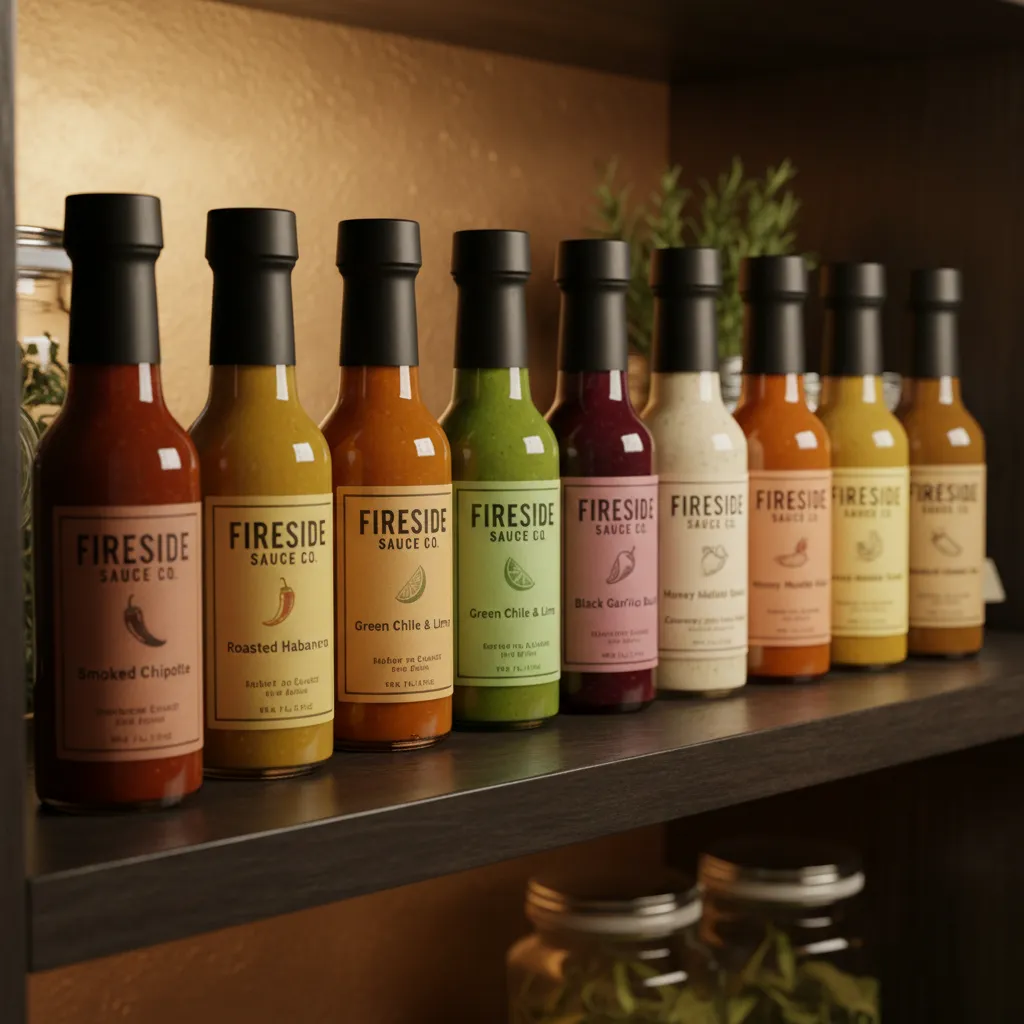
Product Line Expansion: Going from One SKU to a Full Line
One product is selling. Retailers want more. But expanding a product line isn't just creating variations — it's building a cohesive brand portfolio that shares ingredients, production processes, and shelf story.
Strategy for Food Entrepreneurs
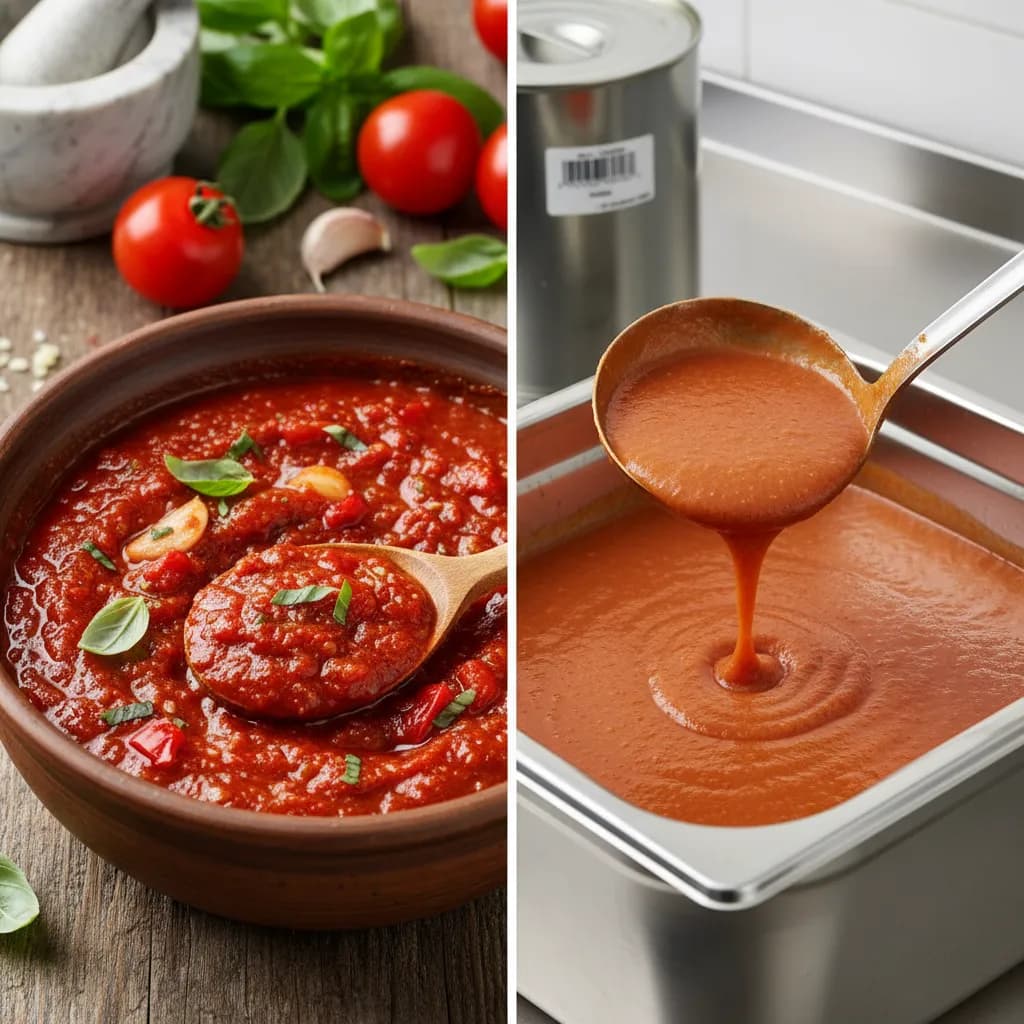
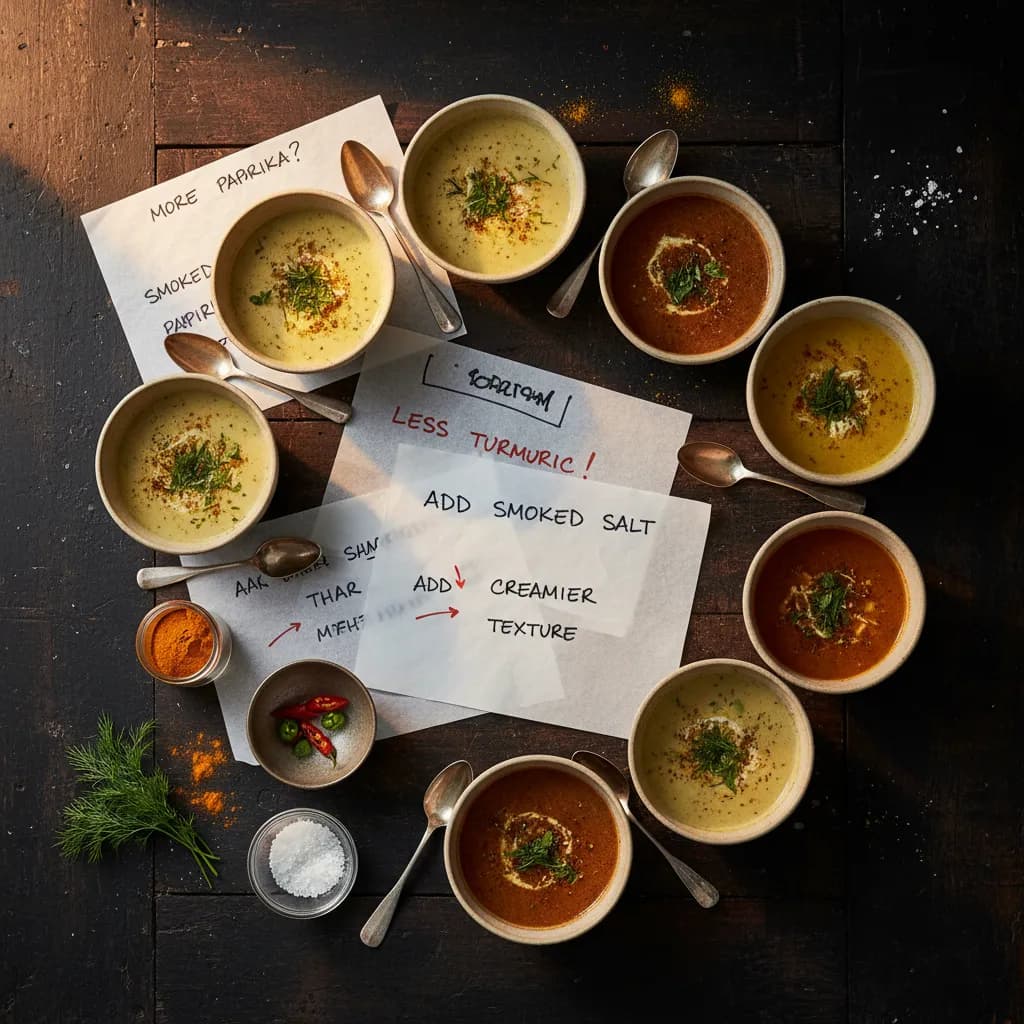
Why Your Co-Packer's Version Never Tastes Like Yours
You handed over your recipe. They made it. It doesn't taste right. This isn't a mystery — it's a predictable gap between home-kitchen recipes and production-floor execution. Here's why it happens and how to fix it.
Strategy for Food Entrepreneurs
Recipe Reformulation: When and Why to Rethink Your Formula
Your current recipe got you here. But ingredient cost increases, clean label demands, shelf life requirements, and scaling challenges may mean it's time for a reformulation — not a failure, but an evolution.
Strategy for Food Entrepreneurs
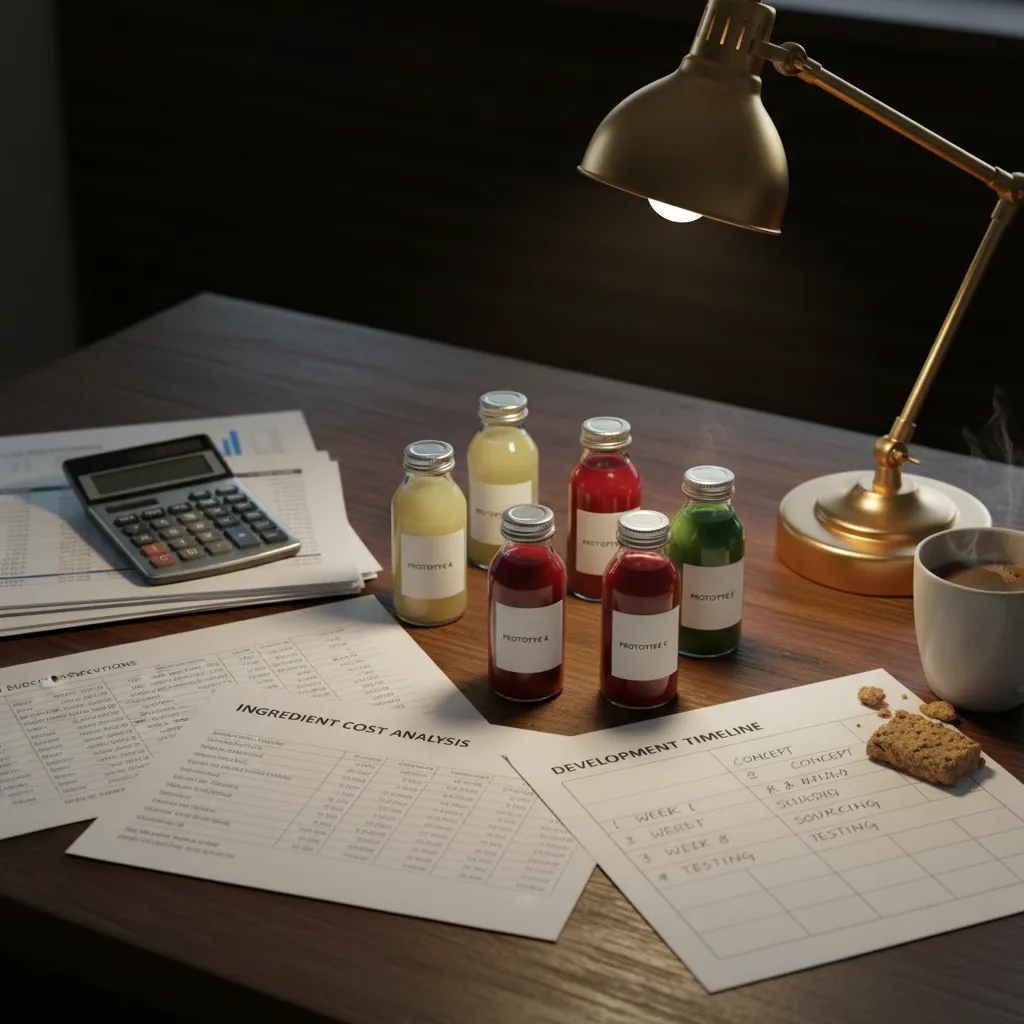
Budgeting for Food Product Development: What It Really Costs
Food product development isn't a single line item — it's a series of investments in formulation, testing, iteration, and production setup. Here's a realistic breakdown so you can plan accordingly.
Scaling & Production
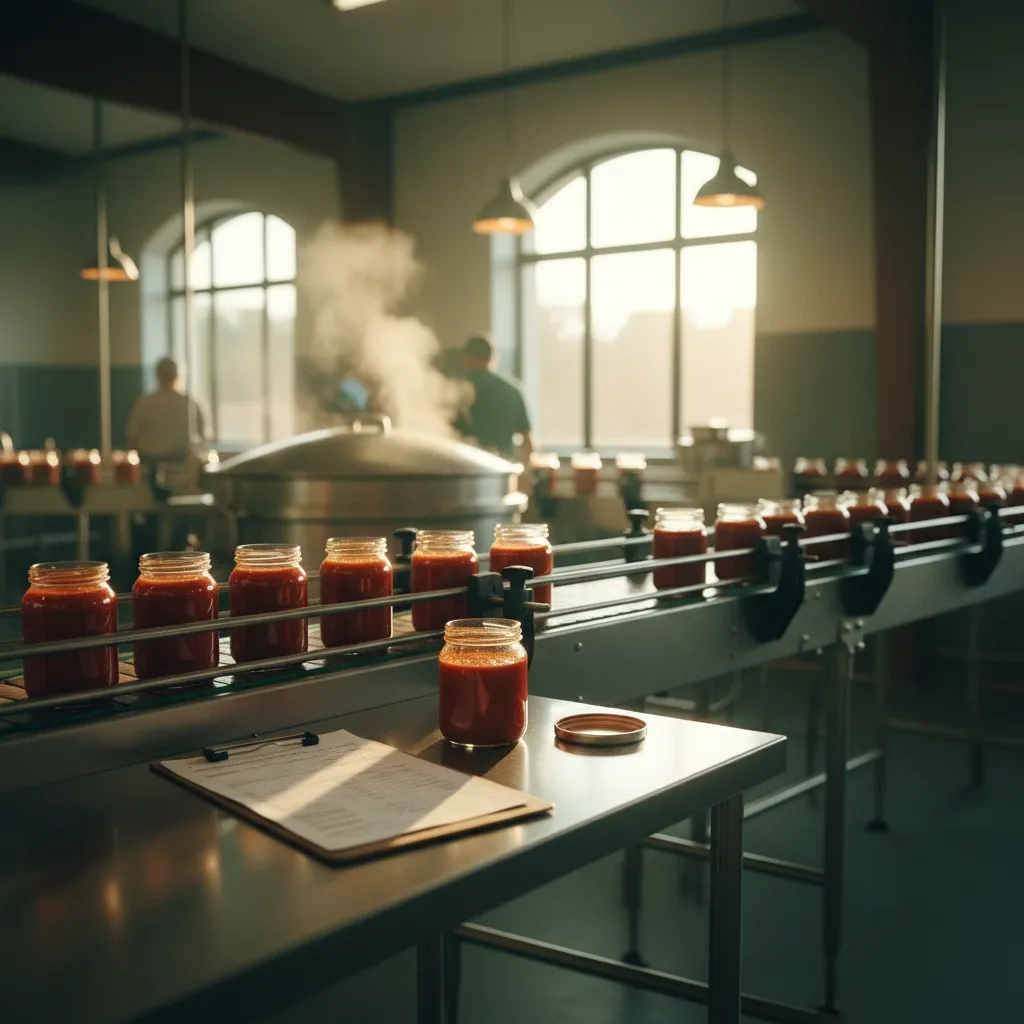
Co-Packer MOQs: How to Afford Your First Production Run
Minimum order quantities are where most first-time CPG founders stall. Here's how to read a co-packer MOQ, negotiate it, and structure a first run that doesn't bury your cash flow.
Clean Label & Ingredients
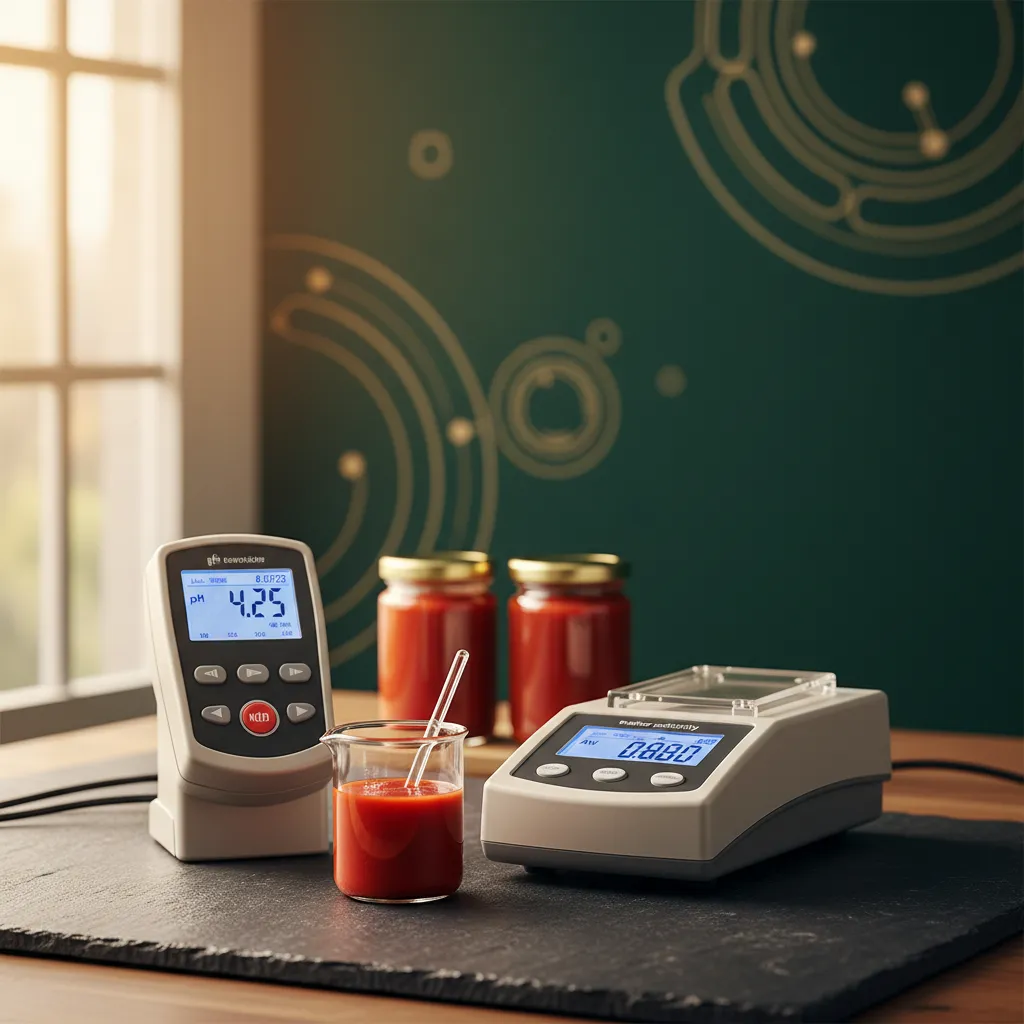
Water Activity vs pH: What CPG Founders Must Know About Shelf Stability
Two invisible numbers — pH and water activity — decide whether your product is shelf stable, refrigerated, or a recall risk. Here's what each one actually controls and how they work together.

Strategy for Food Entrepreneurs
FDA Process Authority Letters for Acidified Foods: A Founder's Primer
If your sauce, salsa, or pickled product has a pH at or below 4.6 and added acid, the FDA has something to say about it. Here's a plain-English primer on scheduled processes and process authority letters.
Strategy for Food Entrepreneurs
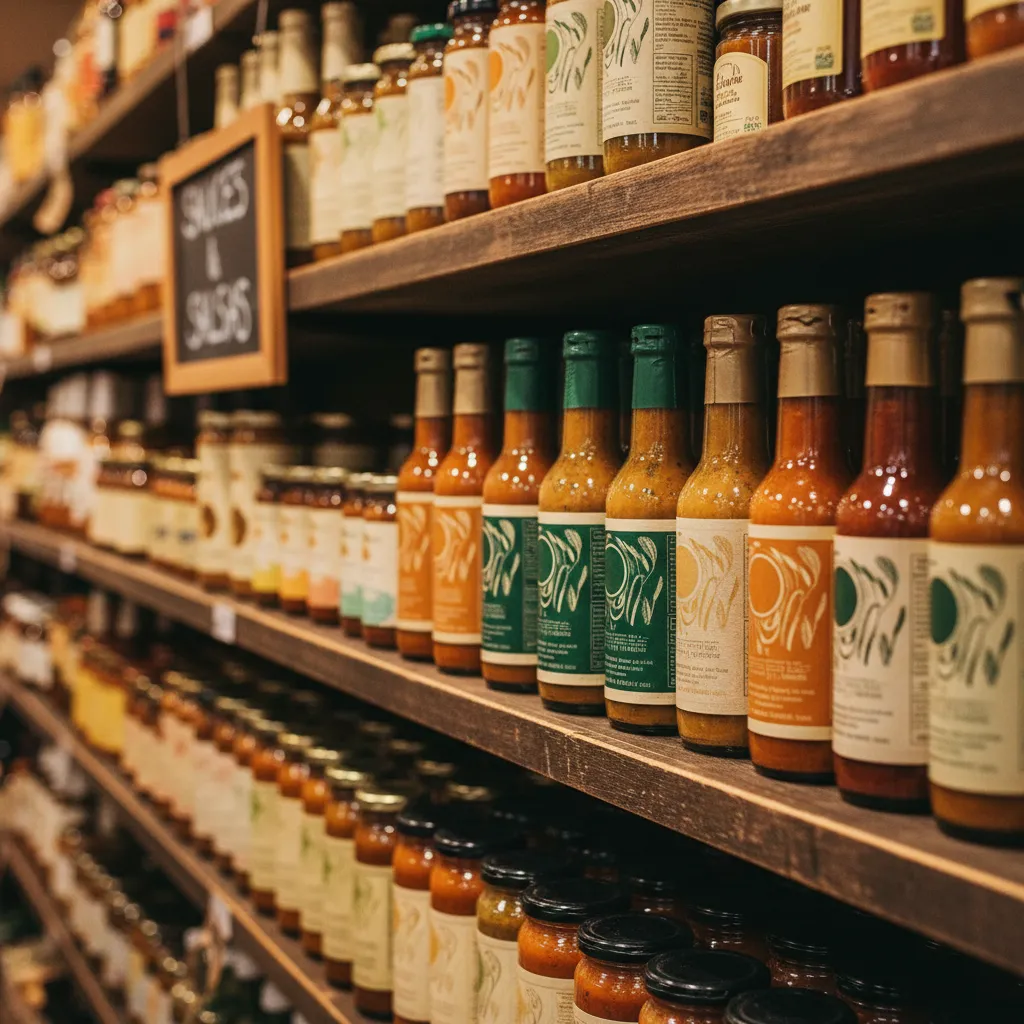
Whole Foods, Sprouts & the Natural Channel: What Your Recipe Has to Prove
Natural-channel retailers hold CPG brands to a specific ingredient and formulation bar — one your home recipe almost certainly doesn't meet yet. Here's the map, category by category.

Clean Label & Ingredients
Reading a Certificate of Analysis: The Founder's COA Cheat Sheet
Every ingredient shipment should come with a COA, and if you can't read it, you can't protect your product. Here's what each section means and the red flags to catch before a batch hits your kettle.
Sauces, Condiments & Kettle-Cooked
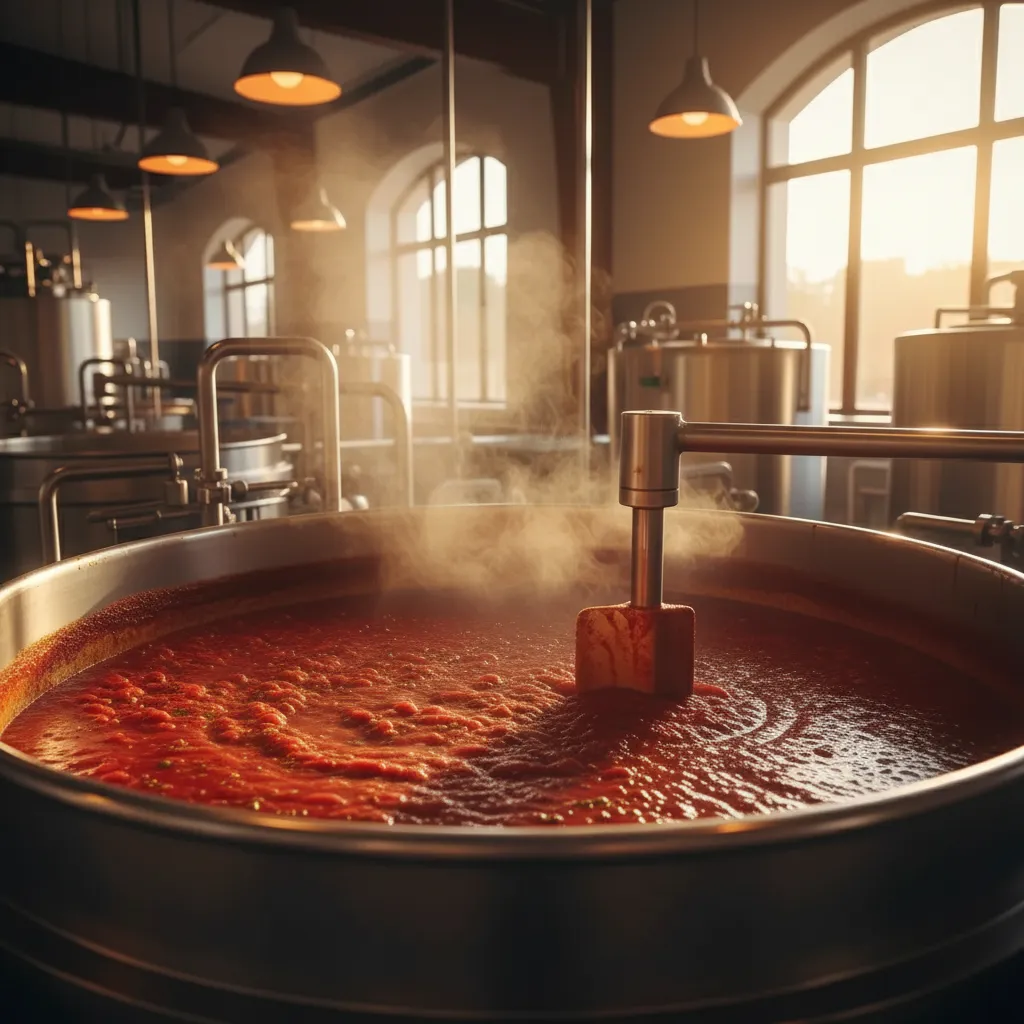
Kettle-Cooked Salsa: Why Slow-Cook Beats Flash-Pack on Flavor and Shelf
Most grocery-shelf salsa tastes flat for a reason: it was flash-processed to hit a cost target. Here's why kettle cooking changes the flavor ceiling — and what it demands of your recipe.
Strategy for Food Entrepreneurs
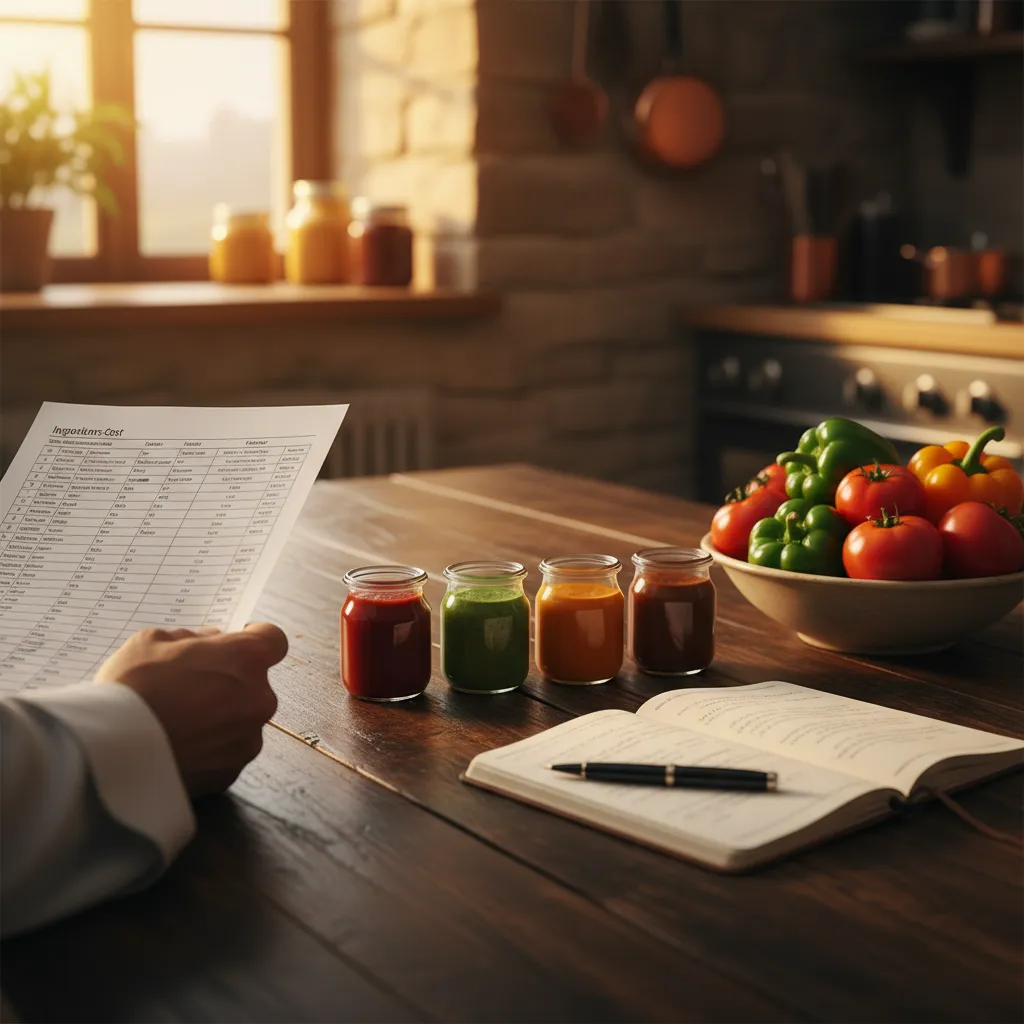
Cutting COGS Without Touching Flavor: A Reformulation Playbook
Ingredient costs creeping up? Retailers asking for a better price? You can often open meaningful margin without breaking the product customers already love — if you reformulate the right parts of the recipe.
Strategy for Food Entrepreneurs
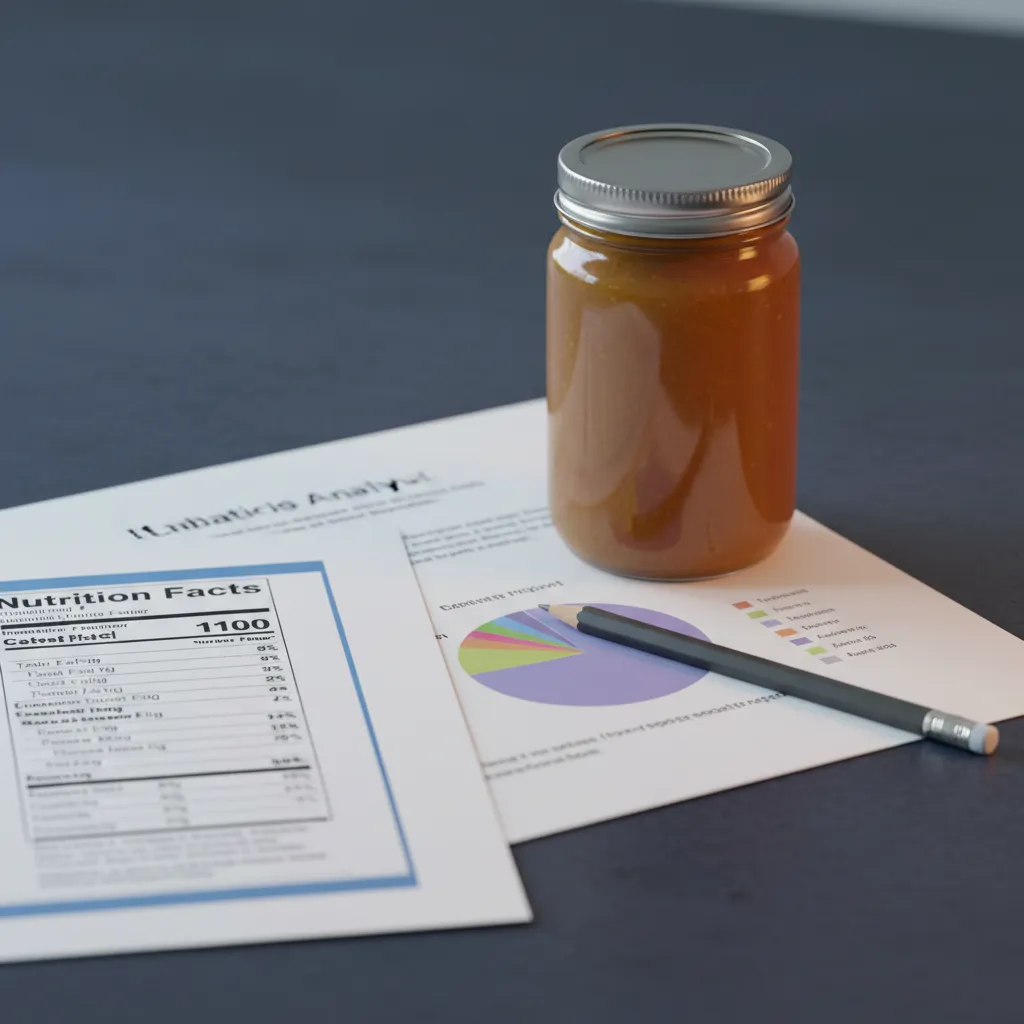
Nutrition Facts Panel: Lab Testing vs Database Calculation
Retailers want an accurate, NLEA-compliant Nutrition Facts panel. You can get there by lab testing or by database calculation — and each path has real trade-offs on cost, accuracy, and liability.

Clean Label & Ingredients
Allergen Control in Co-Packing: Protecting Your Brand From Recall Risk
An undeclared allergen is the single most common cause of Class I food recalls. If you share a co-packing line with other products, your allergen program is your insurance policy.
Scaling & Production
Ingredient Discontinued? The Calm, Fast Reformulation Playbook
A supplier email lands: the ingredient you built your product around is being discontinued, reformulated, or short-shipped for six months. Here's the playbook I run with founders when it happens.
Scaling & Production
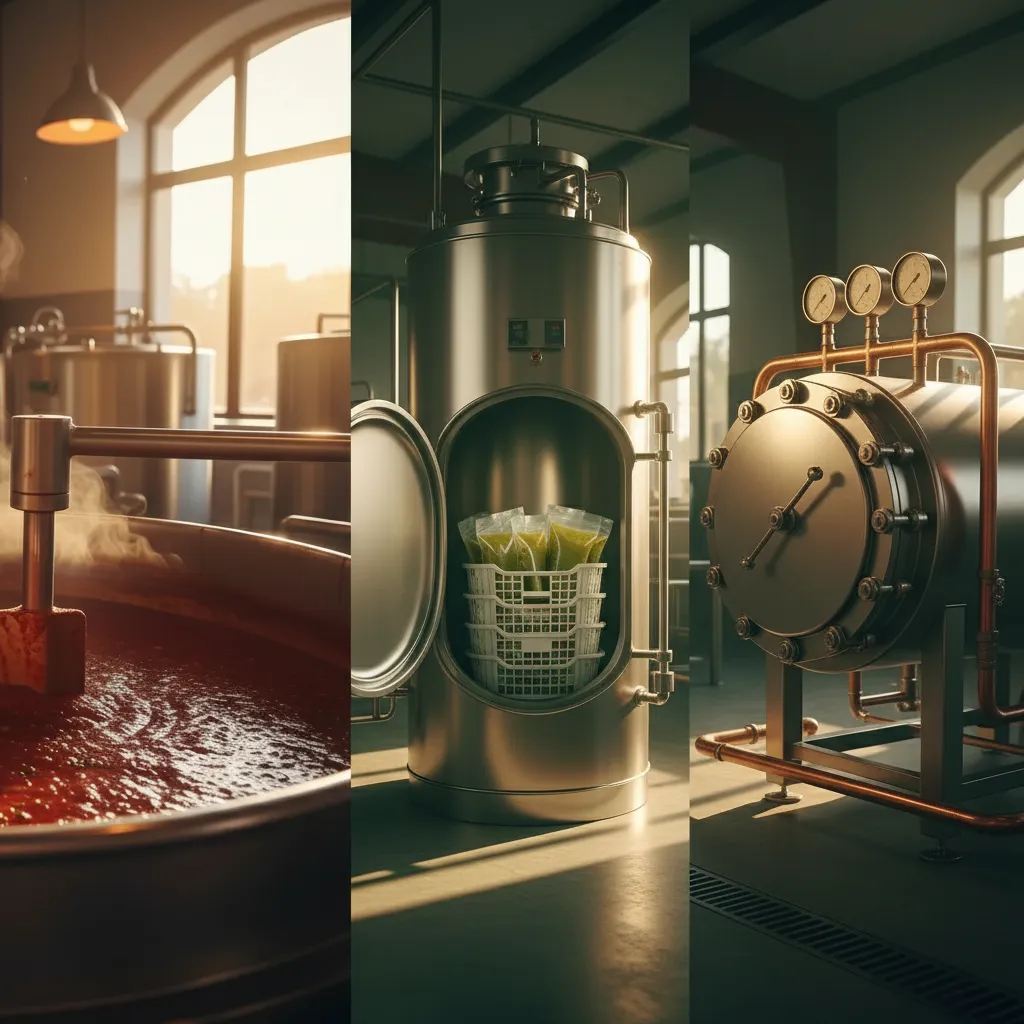
Hot-Fill-Hold vs HPP vs Retort: Choosing Your Thermal Process
Three thermal-process paths dominate shelf-stable and extended-shelf-life food production. Each has different cost structures, different flavor impacts, and different co-packer ecosystems. Here's how founders choose.
Clean Label & Ingredients
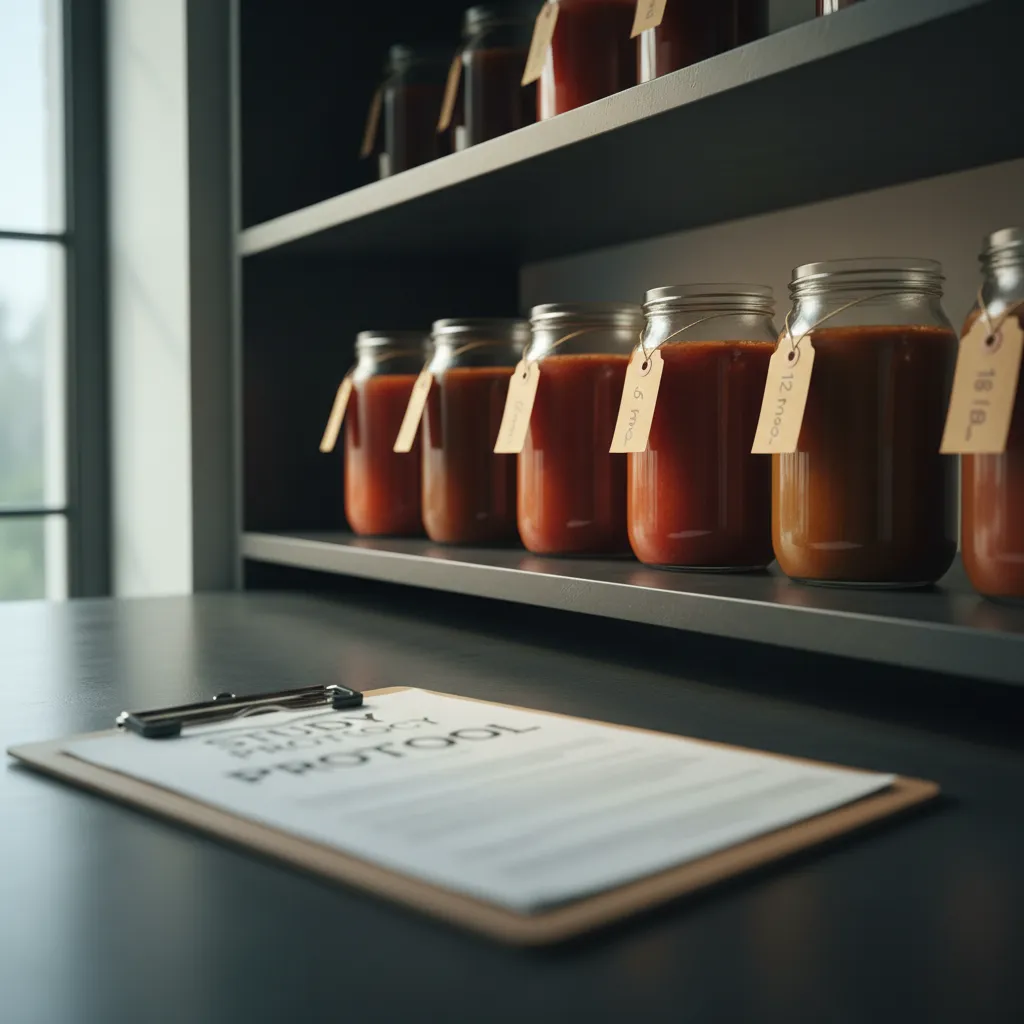
Shelf Life Testing: How to Validate a 12-, 18-, or 24-Month Claim
Retailers won't take your word for shelf life. They want a validation study — and if you haven't designed one before, the methodology isn't obvious. Here's how real-time and accelerated shelf life testing actually work.
Scaling & Production
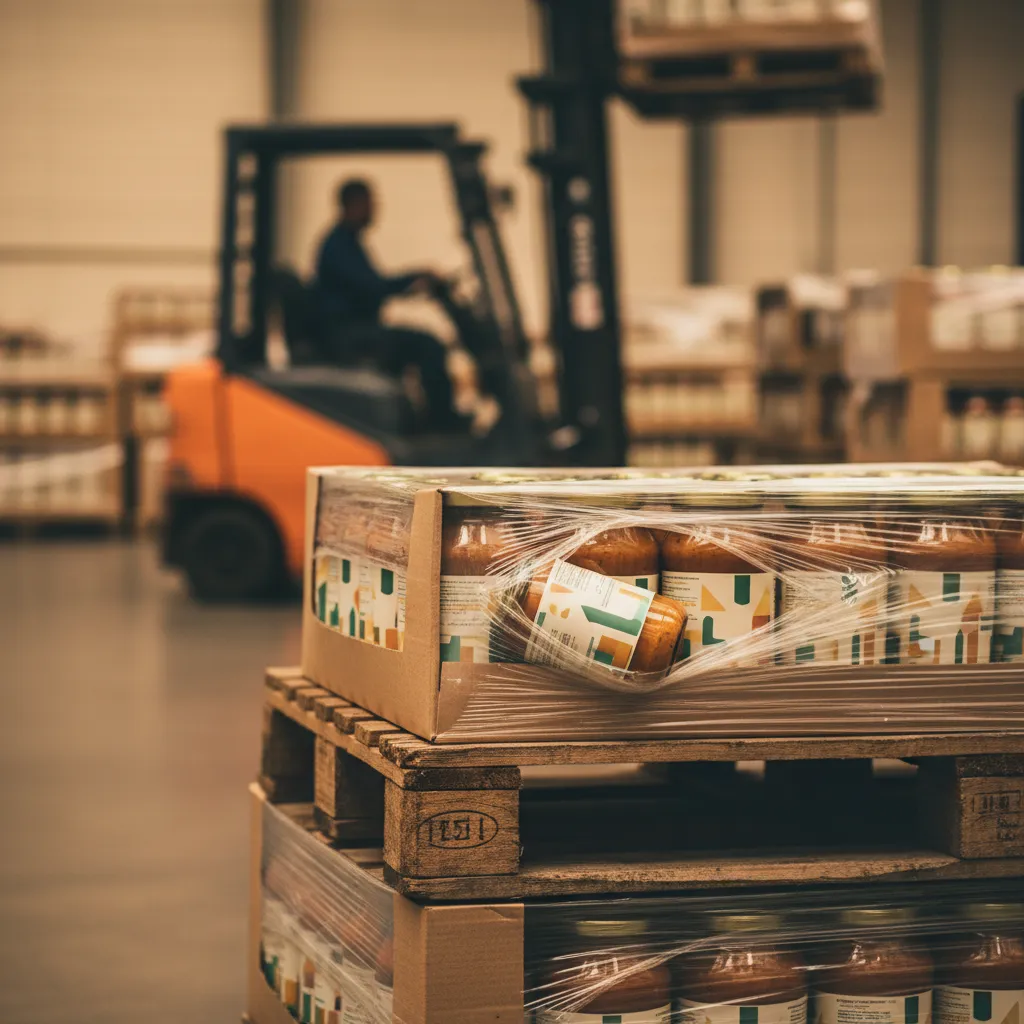
Packaging That Fails: Glass, Closures, and Shipping Pitfalls
Your product survived the kettle. Now it has to survive three freight handoffs, a hot warehouse, and a retailer's back-room forklift. Packaging failures are one of the most expensive, least glamorous risks in CPG.

Strategy for Food Entrepreneurs
Unit Economics for a Shelf-Stable Sauce Brand: The Numbers Retailers Evaluate
Retail buyers and investors look at CPG brands through the same lens: unit economics. Wholesale, COGS, slotting, freight, and returns all roll into a picture of whether your math works. Here's the version founders need.
Strategy for Food Entrepreneurs
Private Label vs Co-Pack: What's the Real Difference?
The terms get used interchangeably, but they describe very different business arrangements. Which one you're in determines who owns the recipe, who controls the brand, and where the margin lives.
Sauces, Condiments & Kettle-Cooked
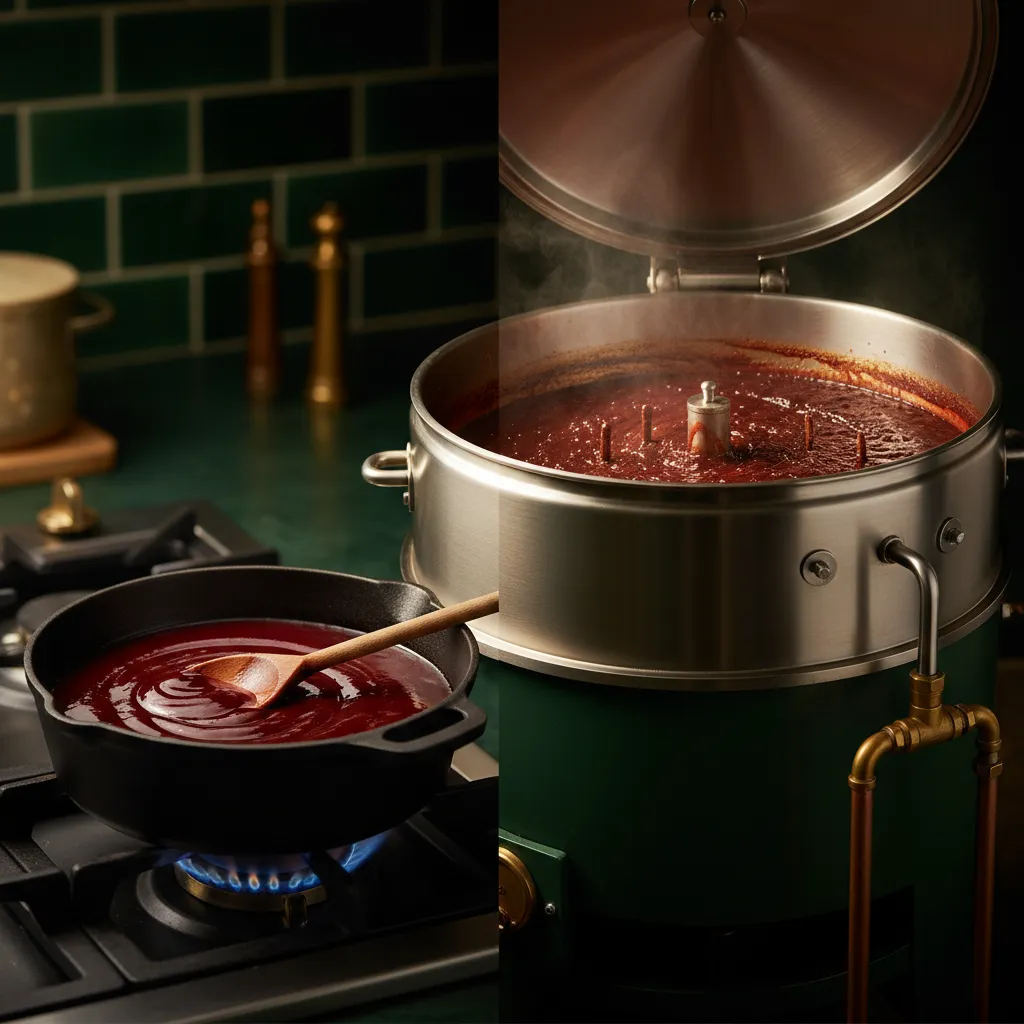
Sauce Viscosity at Scale: Why Your Kettle Batch Doesn't Match Your Stovetop
The kitchen sample reads perfect on the spoon. The kettle batch doesn't. Heat transfer, evaporation rates, starch behavior, and hydrocolloid choice all shift between stovetop and steam-jacketed kettle. Here's how to dial the recipe to a target.

Sauces, Condiments & Kettle-Cooked
Brix Targets for BBQ and Condiment Manufacturing: Dialing Your Recipe to a Number
Brix is the most useful number most CPG founders don't track. It controls sweetness, body, and shelf stability. Here's what it measures, the typical ranges by category, and how to specify it on a production sheet.
Scaling & Production
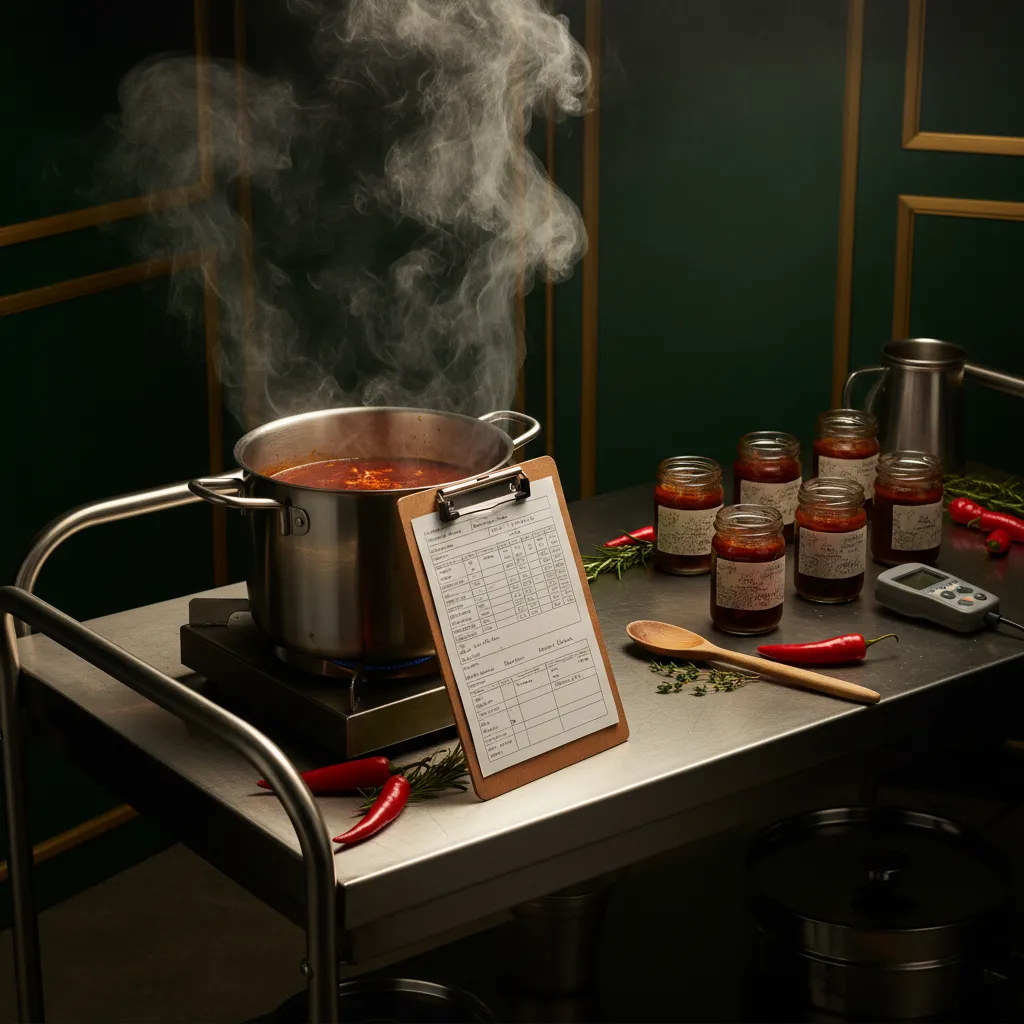
Pilot Batch Protocol: The Test Run That Saves a Full-Run Failure
The single most expensive day in a CPG founder's first year is a full production run that turns out wrong. A structured pilot batch is the cheapest insurance against it. Here's the protocol I run with founders before any first run.

Clean Label & Ingredients
Vinegar Selection in Shelf-Stable Sauces: Distilled vs ACV vs Rice and What It Costs You
Vinegar is rarely just a flavor ingredient. It's a safety hurdle, a flavor carrier, and a meaningful COGS line. Here's how distilled, ACV, rice, wine, and reduced vinegars actually perform at scale, and what each one costs.
Strategy for Food Entrepreneurs
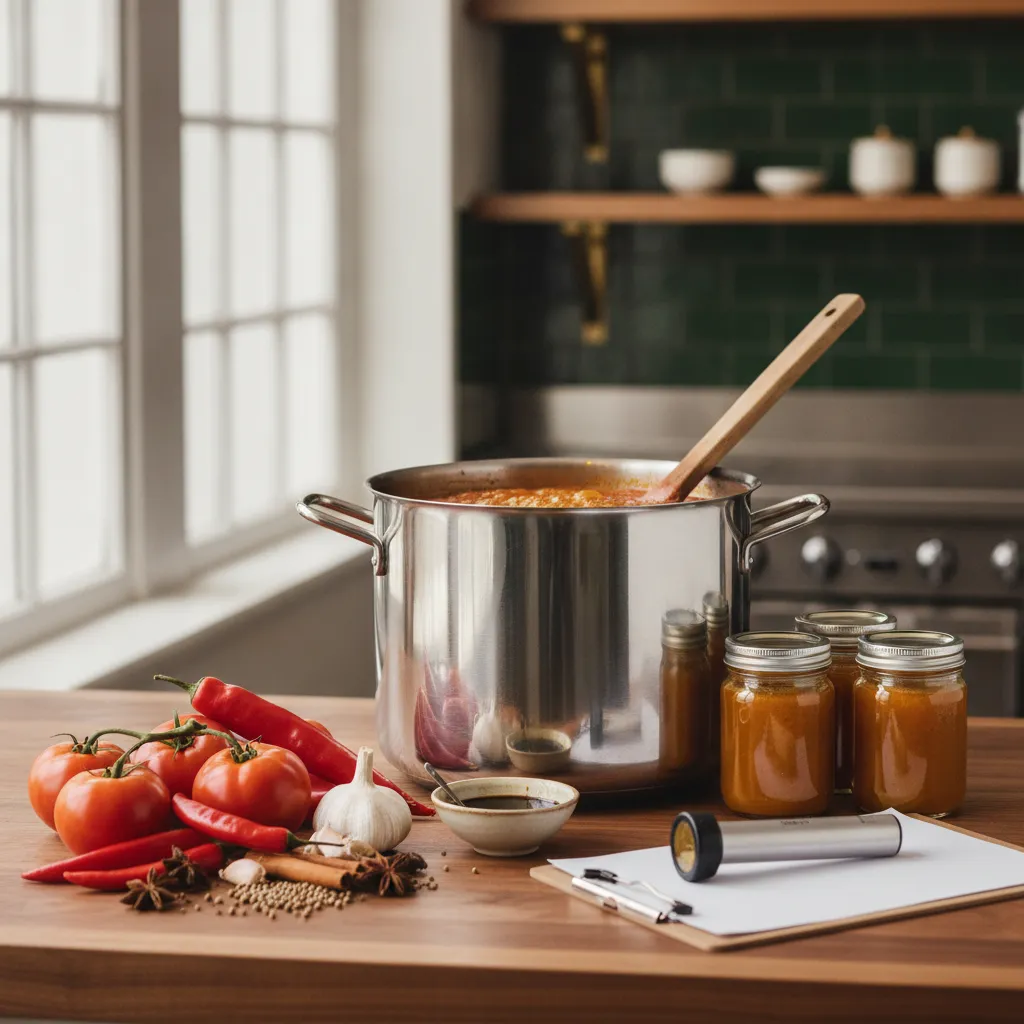
The Co-Manufacturing Brief: The Document Your Co-Packer Actually Reads
When founders pitch a co-packer, they usually send a recipe and some photos. The relationship is set up to fail before quote one. Here's the structured brief I help founders build instead, section by section.
Scaling & Production
How to Find and Vet a Co-Packer That Will Actually Take Your Brand
Finding a co-packer is a hunt-and-court process, not a database lookup, and plenty of strong facilities will pass on a small or early brand. This is where co-packers actually hide, how to build a shortlist, and the vetting checklist that separates a real partner from a costly mistake.

Clean Label & Ingredients
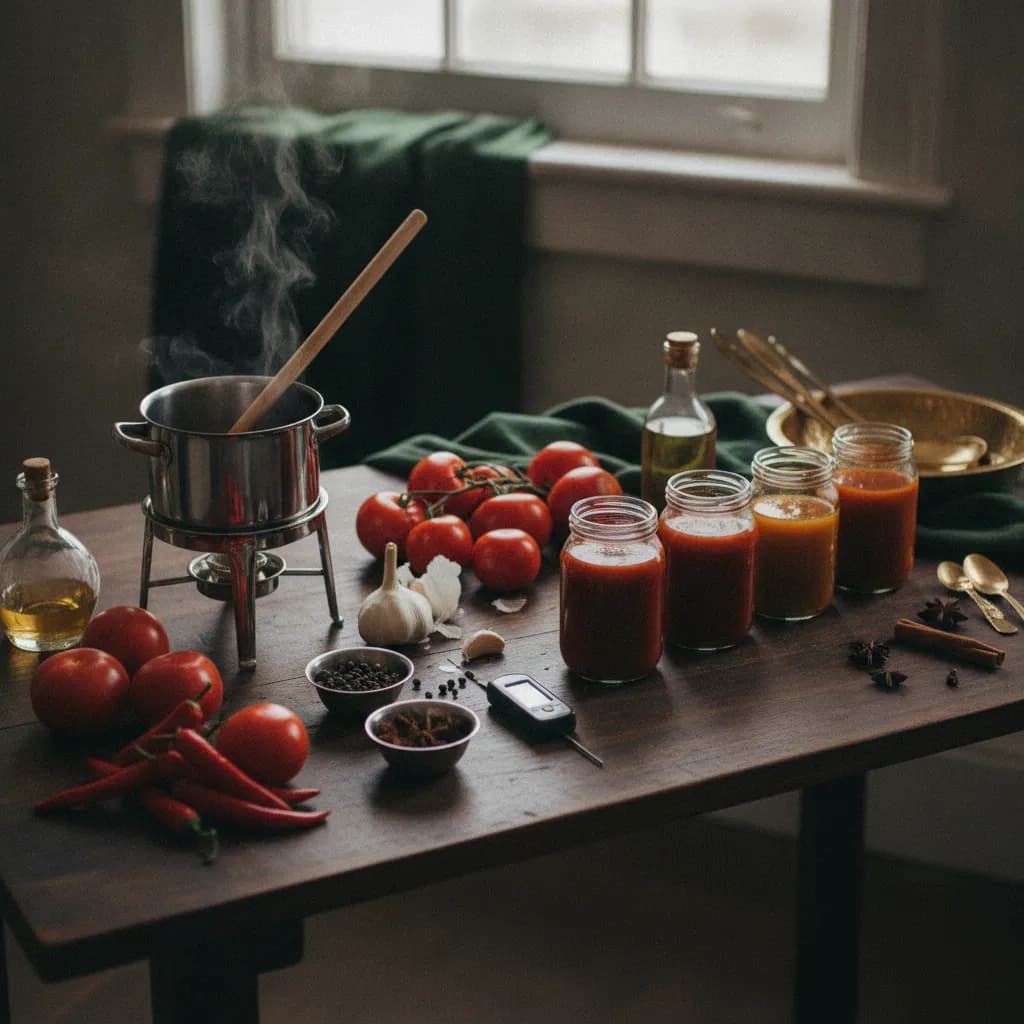
Reducing Added Sugar in Sauces and Condiments Without Killing Flavor
Cutting added sugar is not simple subtraction. Sugar carries sweetness, body, browning, and shelf stability all at once. This guide leads with real-food strategies (concentrating fruit and vegetables, reduction and Brix control, balancing acid, salt, heat, and aromatics, and roasting for depth) and treats processed sweeteners honestly as a last-resort compromise.
Strategy for Food Entrepreneurs
Do You Need Organic, Non-GMO, or Gluten-Free Certification?
Organic, Non-GMO Project Verified, and Gluten-Free are the three seals small sauce and condiment brands ask about most. Here is what each one actually certifies, what it requires, roughly what it costs and how long it takes, and the honest test for when it is worth it versus when a truthful uncertified claim is enough.
Clean Label & Ingredients
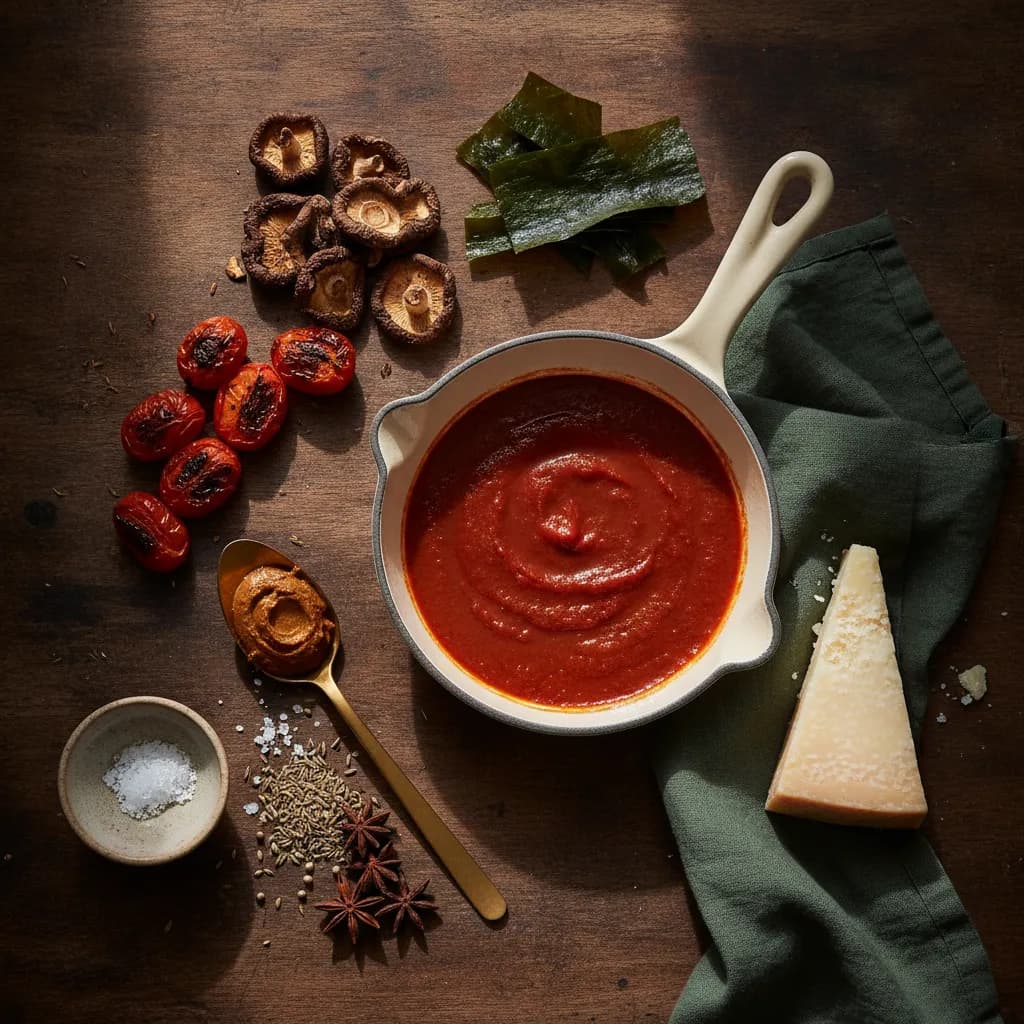
Cutting Sodium in a Sauce Without Making It Taste Flat
Salt does real work in a sauce, so cutting sodium the wrong way leaves it flat and hollow. This walks through rebuilding savoriness with real food first, using umami, acid, aromatics, and smart salt placement, then treats processed replacers honestly as a last resort.
Scaling & Production
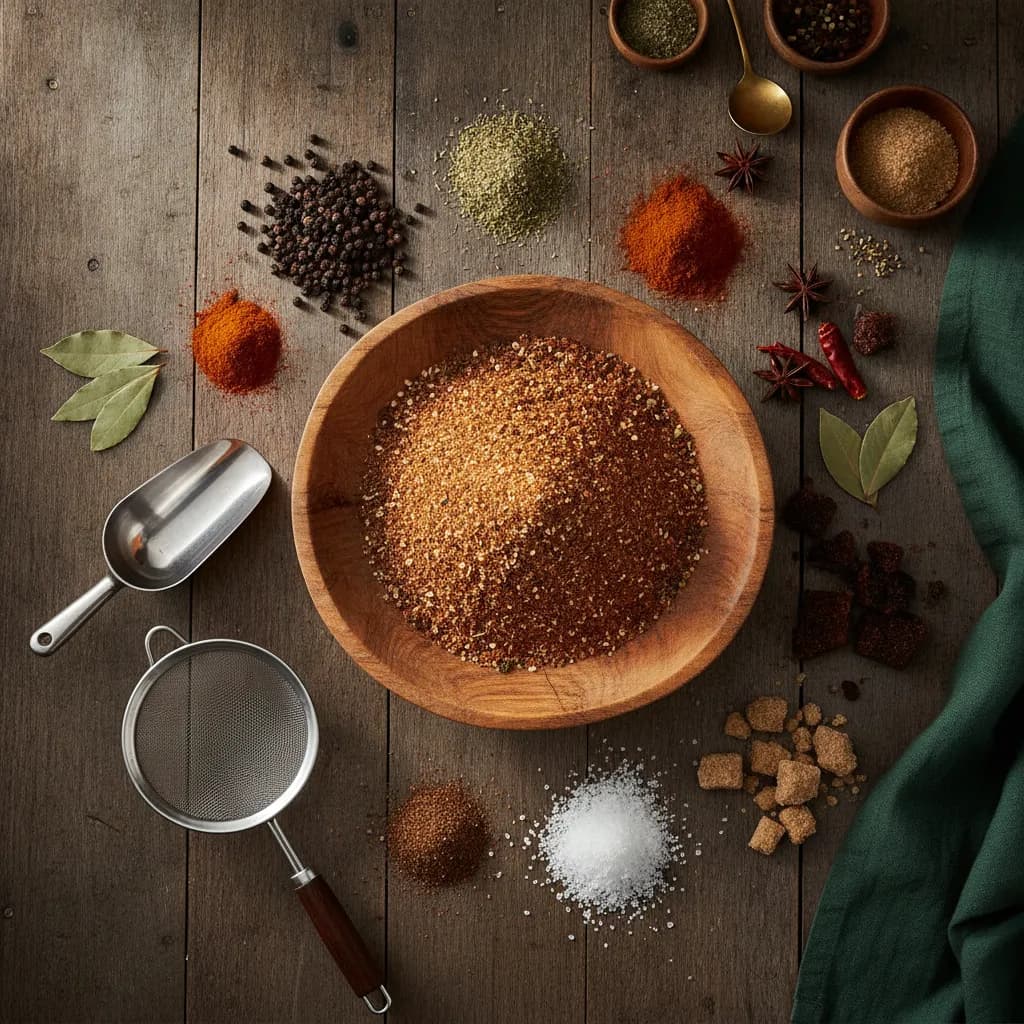
Developing a Dry Rub or Seasoning Blend at Scale
A dry rub that was flawless in the mixing bowl can separate, cake, and drift once it hits fifty-pound batches and a filling line. Here is how particle size, bulk density, moisture, and honest sourcing decide whether a seasoning blend holds together from the mixer to the shelf, with real ingredients favored over additives at every step.
Strategy for Food Entrepreneurs
Who Owns Your Recipe? Protecting Your Formula and IP When You Work With a Co-Packer
The IP and ownership questions founders skip until a co-packer switch, a fundraise, or an exit forces the issue. Why your recipe is a trade secret and not a patent, who owns the improvements made during the relationship, and why the real asset you own is a portable master spec you can move to any facility.
Sauces, Condiments & Kettle-Cooked
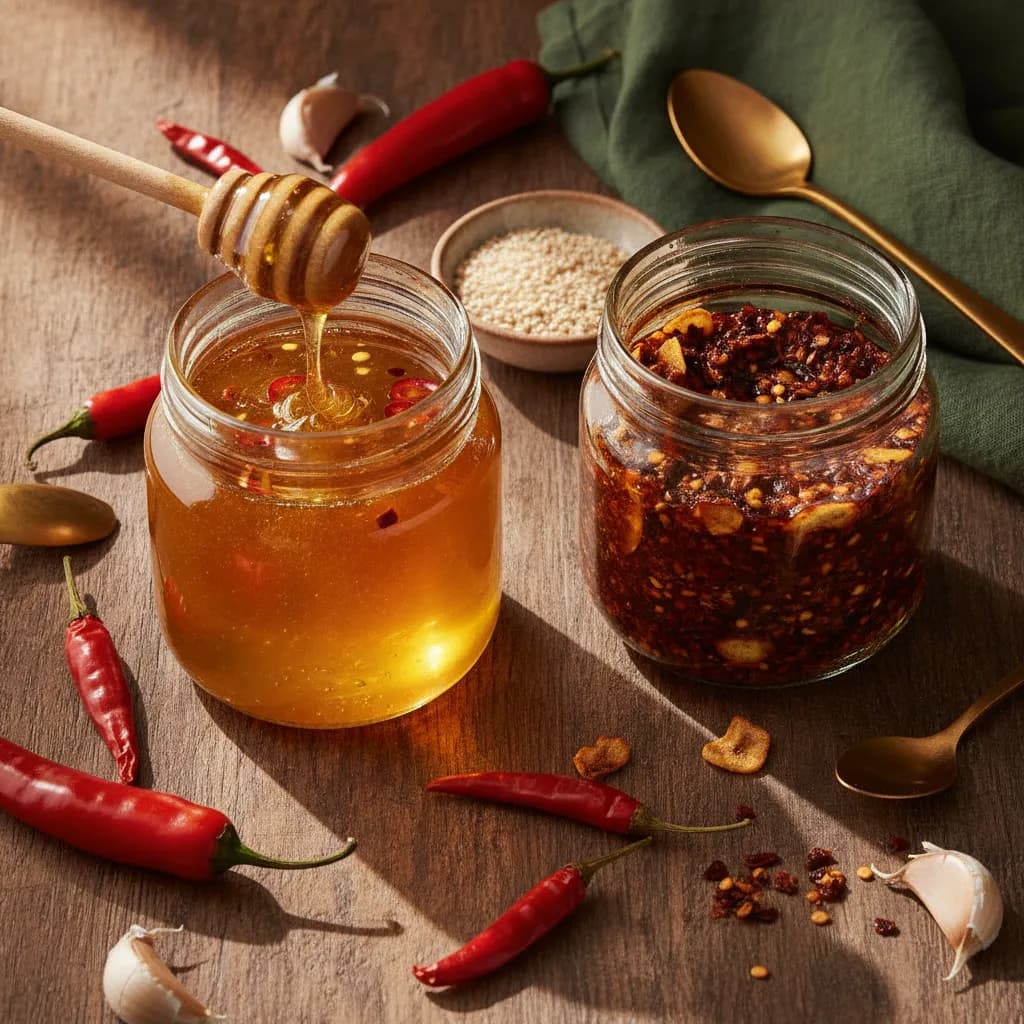
Hot Honey and Chili Crisp: Building a Product in a Trending Category
Hot honey and chili crisp are two of the hottest condiment categories, and the shelf is full of forgettable me-too jars. Here is how a founder builds a genuinely better product on real honey, real chilies, and real fried alliums, from crystallization and crunch to the serious allium-in-oil food safety you cannot skip.
Strategy for Food Entrepreneurs
From Idea to Shelf: A Realistic Food Product Development Timeline
Taking a sauce or condiment from idea to retail almost always takes longer than founders expect. Here is a realistic, stage-by-stage timeline, from concept and bench formulation through co-packer MOQs, the pilot batch, compliance work, and first production run. It shows what runs in parallel, where the delays hide, and how a real-ingredient formulation affects the clock.
Clean Label & Ingredients
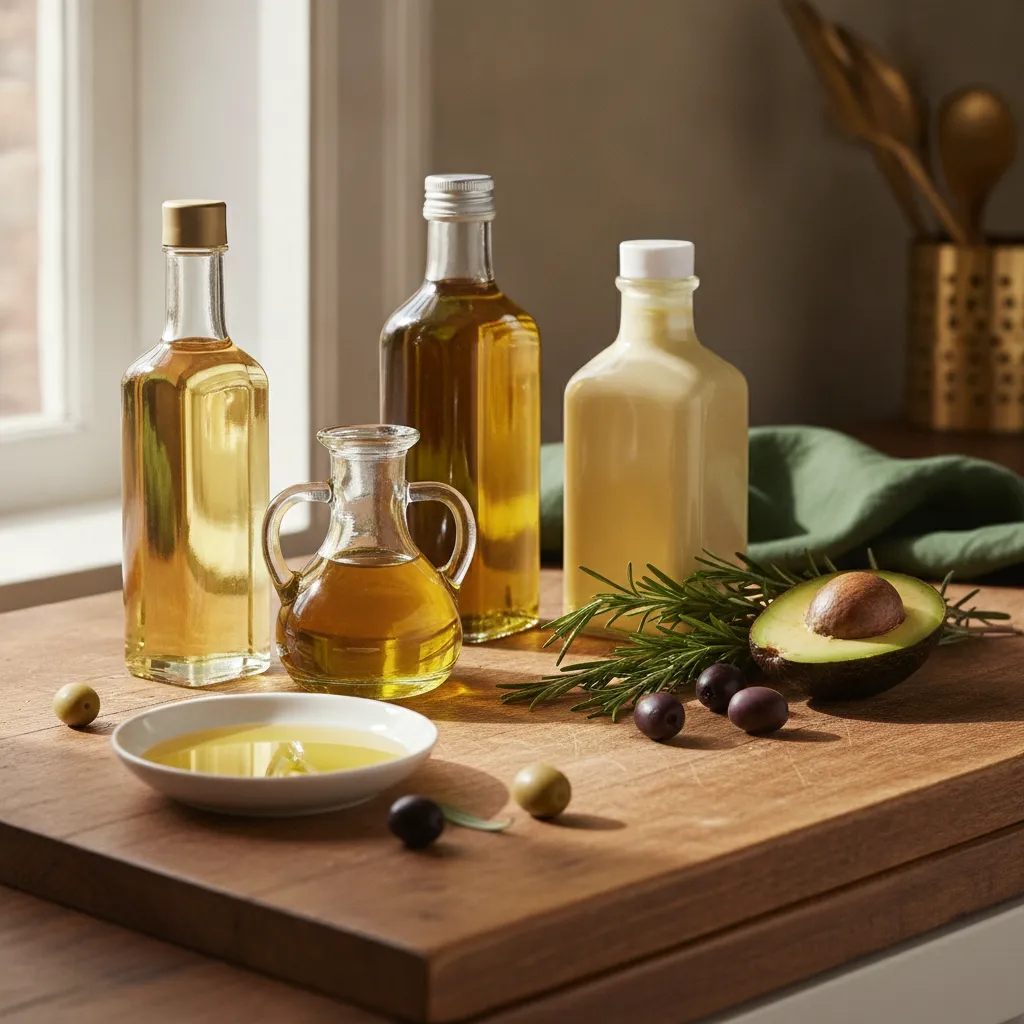
Choosing the Right Oil for a Shelf-Stable Product: Flavor, Cost, and Rancidity
The oil is often the last ingredient a founder picks, yet it quietly sets both your product's flavor and its shelf life. This walks through how to weigh flavor, smoke point, oxidation and rancidity, natural antioxidants, cost, and label optics, and why real, high-oleic oils usually win.
Clean Label & Ingredients
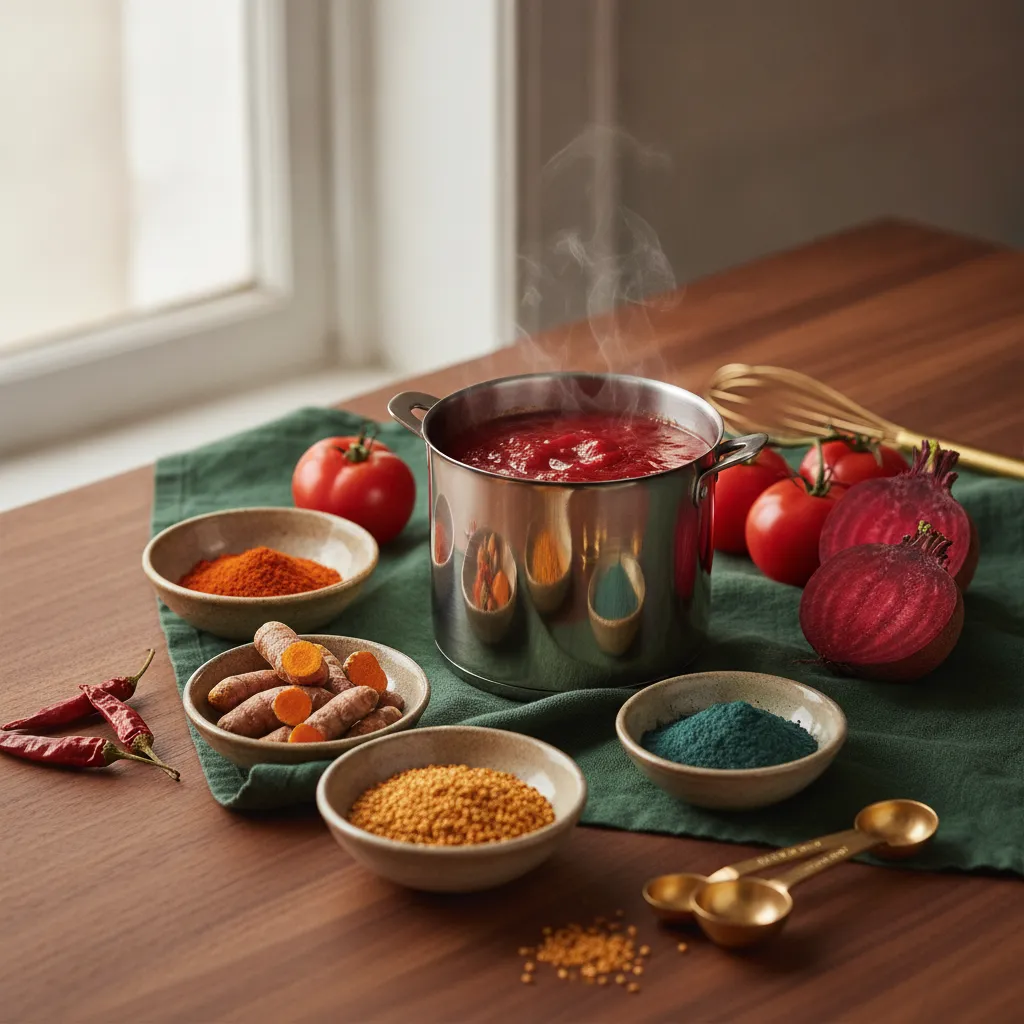
Color Without Dyes: Vibrant Product Color From Real Ingredients
You can hit vivid, appealing product color without synthetic dyes, but real pigments behave nothing like them. Here is the real-ingredient color palette, from paprika and turmeric to beet and spirulina, plus how to hold that color against pH, heat, light, oxidation, and batch variation.
Sauces, Condiments & Kettle-Cooked
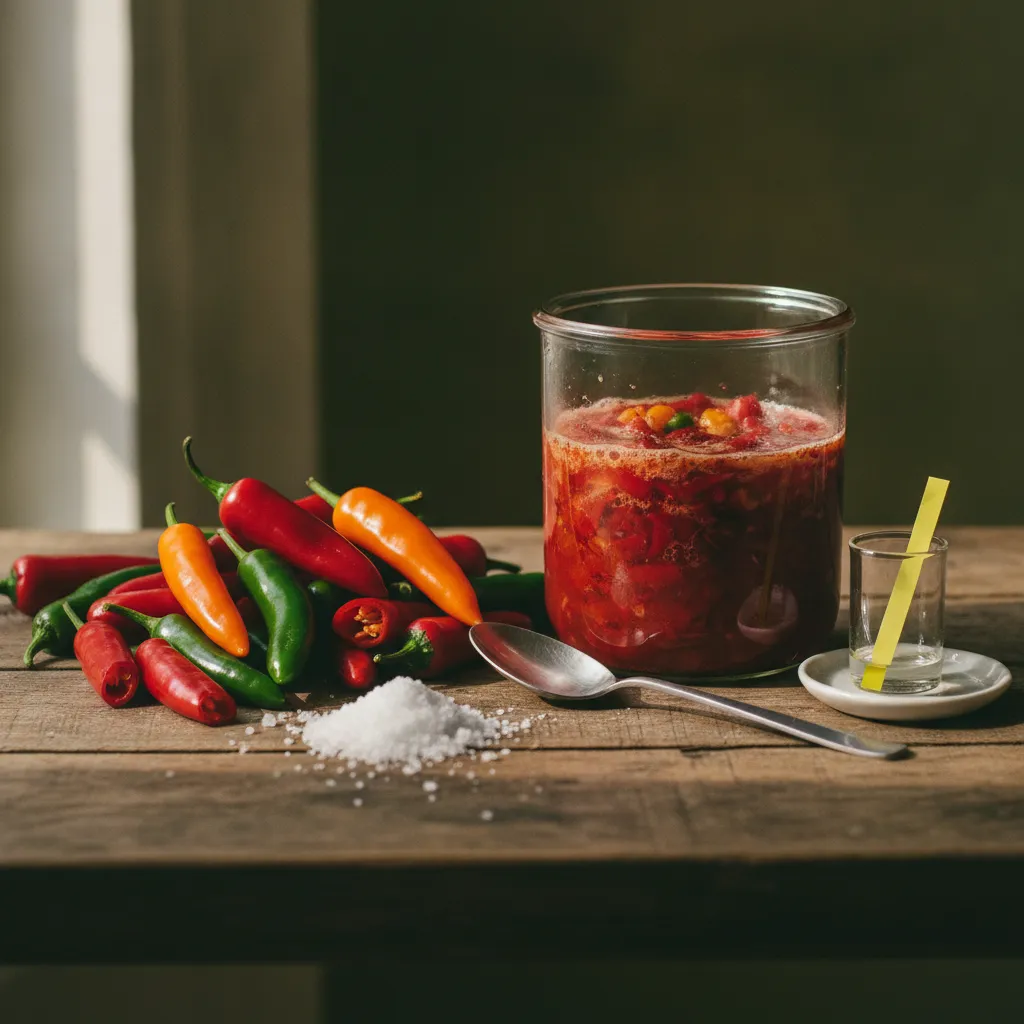
Fermentation for Flavor: Building a Fermented Hot Sauce or Condiment
Fermentation builds a depth of flavor you cannot fake, but scaling a fermented hot sauce or condiment means managing a living process. Salt, time, pH, and the choice between keeping it live or stabilizing it decide whether the product survives a real production run.

Sauces, Condiments & Kettle-Cooked
Making a Shelf-Stable Vegan Mayo or Aioli Without Eggs
Pulling the egg yolk out of mayo or aioli removes an emulsifier, a body-building protein, and a stabilizer all at once. Here is how to rebuild each job with real ingredients like aquafaba, mustard, and plant lecithin, then lock in a safe, glossy, shelf-stable emulsion that still reads clean on the label.
Clean Label & Ingredients
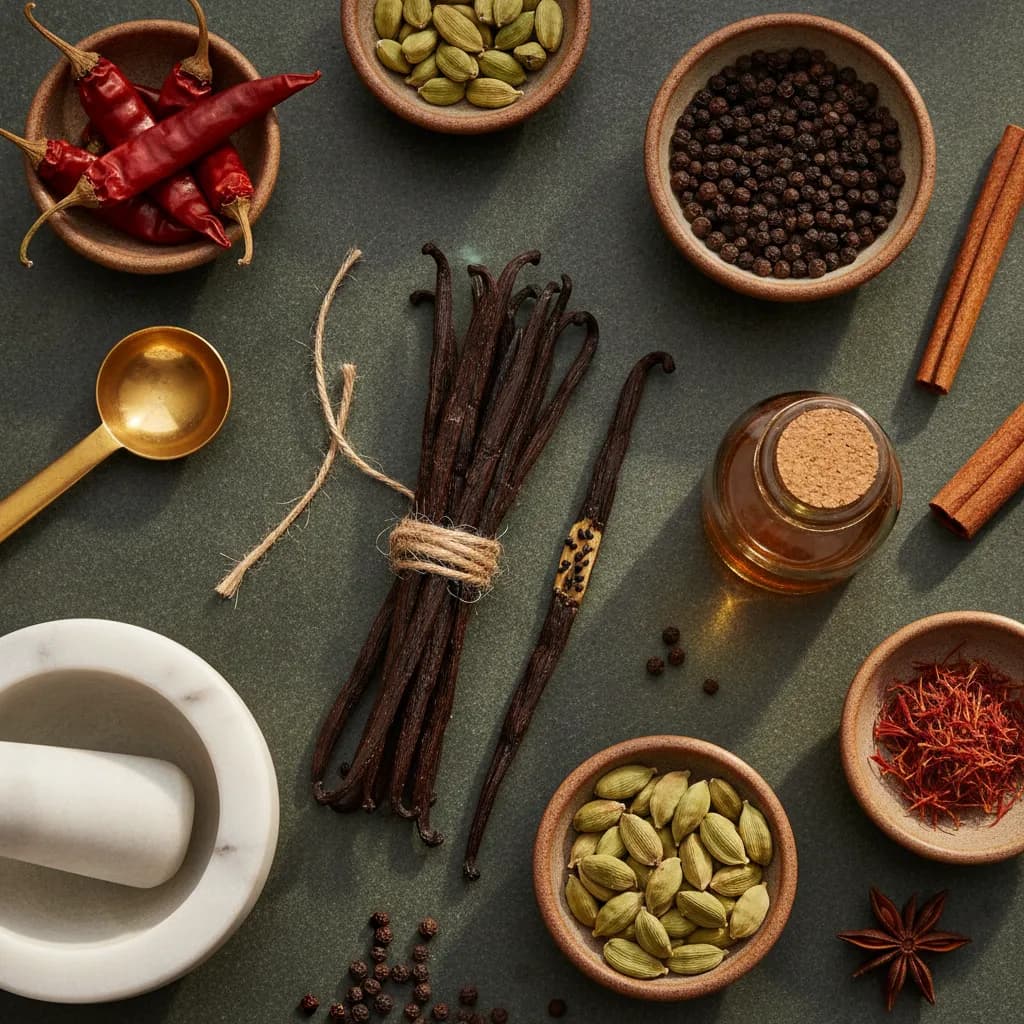
Sourcing Real Vanilla, Spices, and Botanicals Without Blowing Your COGS
Real vanilla, premium spices, and botanicals can fit inside a healthy COGS once you know what you are actually paying for. This guide covers vanilla extract versus paste versus beans, spice grades and volatile-oil content, whole versus pre-ground freshness, and where to spend up versus where a lesser grade is genuinely fine.

Clean Label & Ingredients
Gluten-Free Formulation for Sauces and Marinades
Your sauce can carry hidden gluten from soy sauce, malt vinegar, spice blends, and ambiguous starches long before any flour touches the recipe. This is the formulation side of gluten-free: the real-ingredient swaps that get it out, the cross-contact controls that keep it out, and how to validate a claim that holds up.
Scaling & Production
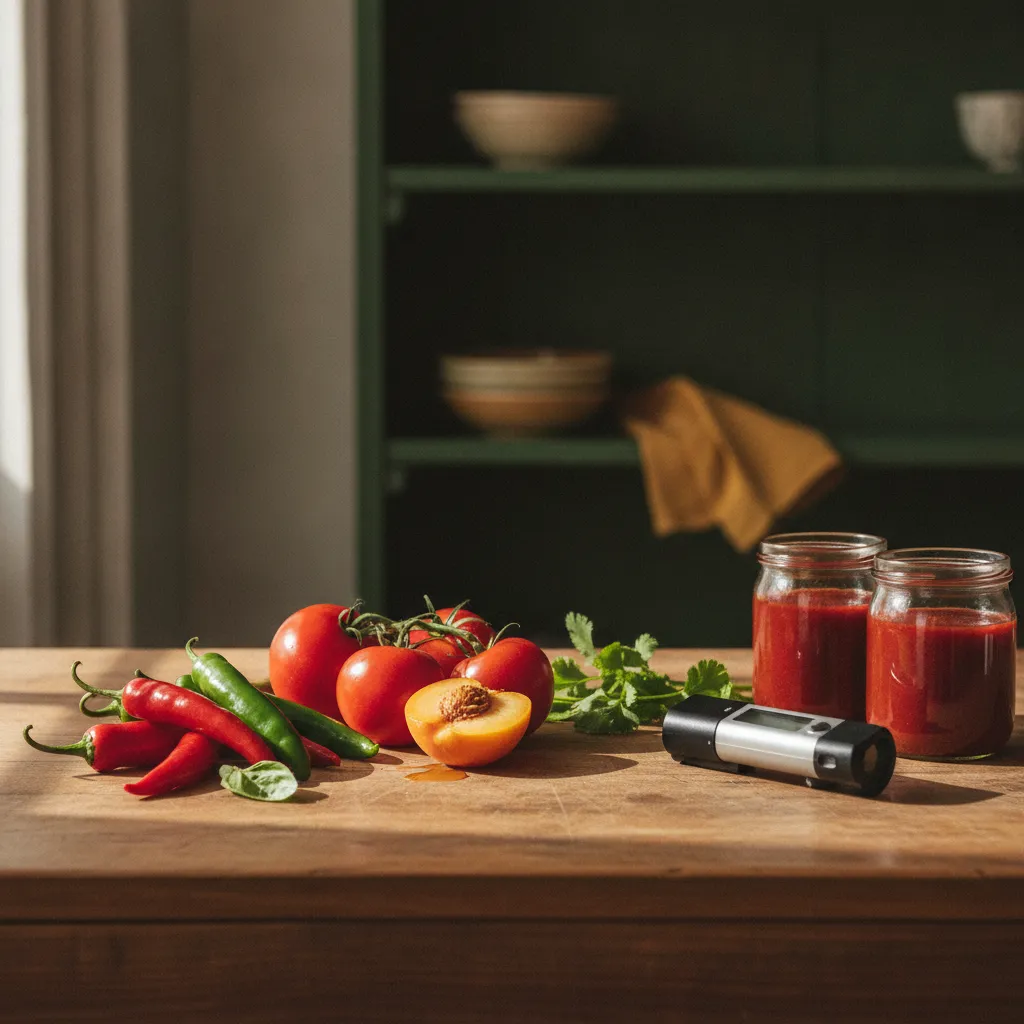
Managing Ingredient Seasonality: A Recipe That Survives Crop Variation
Real chilies, tomatoes, and fruit shift in Brix, heat, color, and acid across every season and harvest, so a recipe written by weight quietly drifts with the crop. This is how a real-ingredient brand designs for that variation: specify by measurable target, blend lots, lean on standardized real-food forms, and build in correction levers to ship a consistent product every season without switching to synthetics.
Scaling & Production
Commissary Kitchen vs Co-Packer: When to Make the Jump
Every growing food brand hits the day when hand-producing in a commissary kitchen cannot keep up, and a co-packer starts to look necessary. Here is how to read the signals that it is time to jump, the intermediate options between the two, and how to protect your real-ingredient craft and quality through the move.
Strategy for Food Entrepreneurs
Reading and Negotiating a Co-Packer Quote, Line by Line
A co-packer quote arrives as a wall of line items, and buried in it is the number that decides whether your product makes money. This walks every charge, from tolling fee to payment terms, shows what is negotiable versus fixed, and explains how to keep real ingredients from being quietly value-engineered out during the negotiation.
Strategy for Food Entrepreneurs
Health and Nutrition Claims You Can Legally Defend
The claims founders want on the front of the jar are legal positions, not marketing copy. Here is what it takes to defend nutrient-content, structure/function, and health claims, plus the trap words to avoid and why a real-ingredient product tends to earn the strongest claims naturally.
Strategy for Food Entrepreneurs
FSMA 204 and the Food Traceability Rule: What a Small Food Brand Actually Has to Do
The compliance date moved to July 20, 2028, and most sauce and condiment founders read that as permission to ignore it. The more useful question is narrower: are any of your incoming ingredients on the Food Traceability List, and does your process take them off it? That answer decides whether this rule is a project or a paragraph.
Clean Label & Ingredients
Your Co-Packer Has an SQF or BRCGS Audit Coming. Here Is What They Will Ask You For
The audit is at their facility, but a meaningful share of the paperwork is yours: ingredient specs, COAs, letters of guaranty, an allergen matrix, label copy, and the process authority letter. Here is the document package a brand owner should have built before the auditor books a date.
Scaling & Production
Mock Recall and Lot Coding: Run One Before You Need It
A recall is a reconciliation problem, and you either designed for it months ago or you did not. Here is how to build a lot code that actually bounds your exposure, and how to run a mock recall that tells you the truth instead of flattering your paperwork.
Scaling & Production
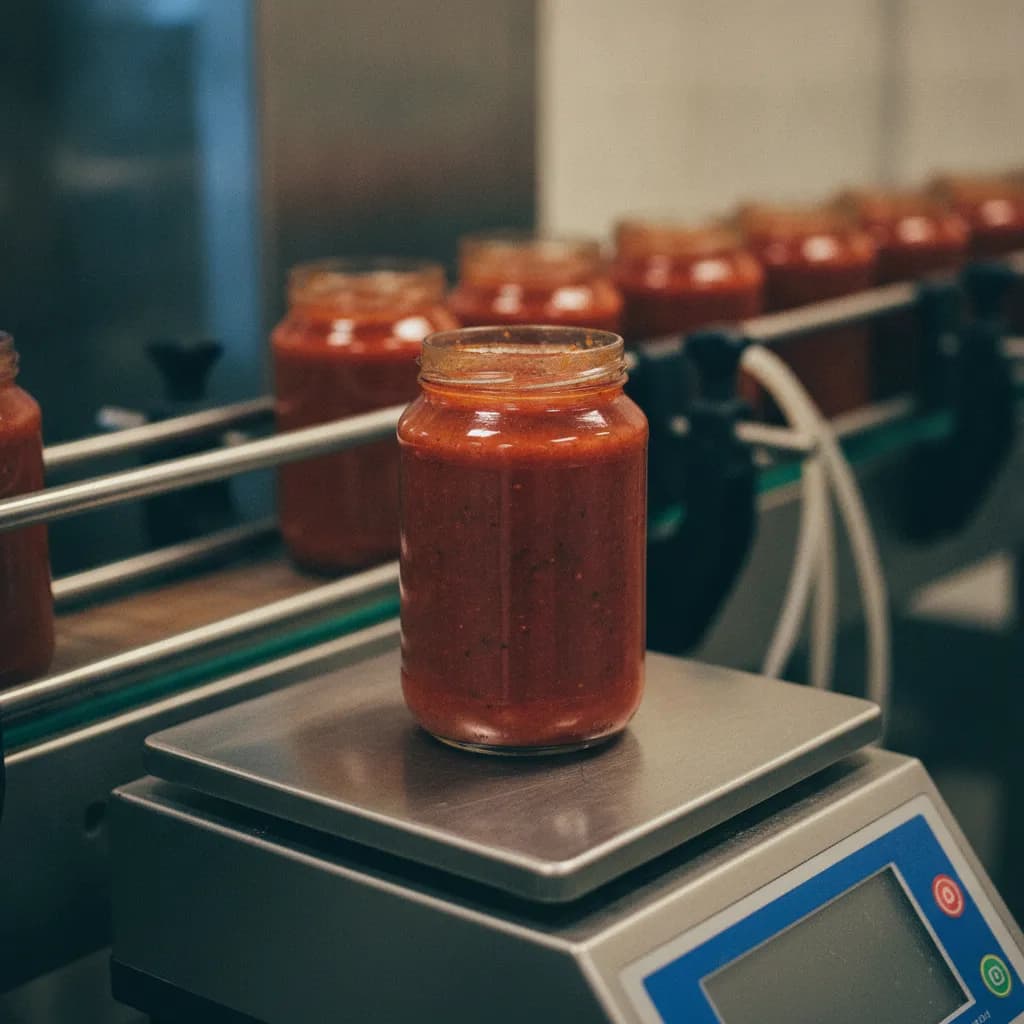
Net Weight and Fill Control: The Giveaway That Quietly Eats Your Margin
Overfilling is the most expensive habit in small-batch manufacturing, and almost nobody measures it. Here is what NIST Handbook 133 actually requires, why the fix is reducing variation rather than lowering your target, and where fill drift comes from in a hot-filled sauce.
Sauces, Condiments & Kettle-Cooked
Yield Loss in Kettle Production: Where the Batch Actually Goes
You charged 400 gallons and you got fewer jars than the math said. The missing product is not mysterious: it went up as steam, stayed on the walls, sat in the hose, went out in the first few jars, and got pulled for QA. Here is how to account for each one and which are worth chasing.
Strategy for Food Entrepreneurs
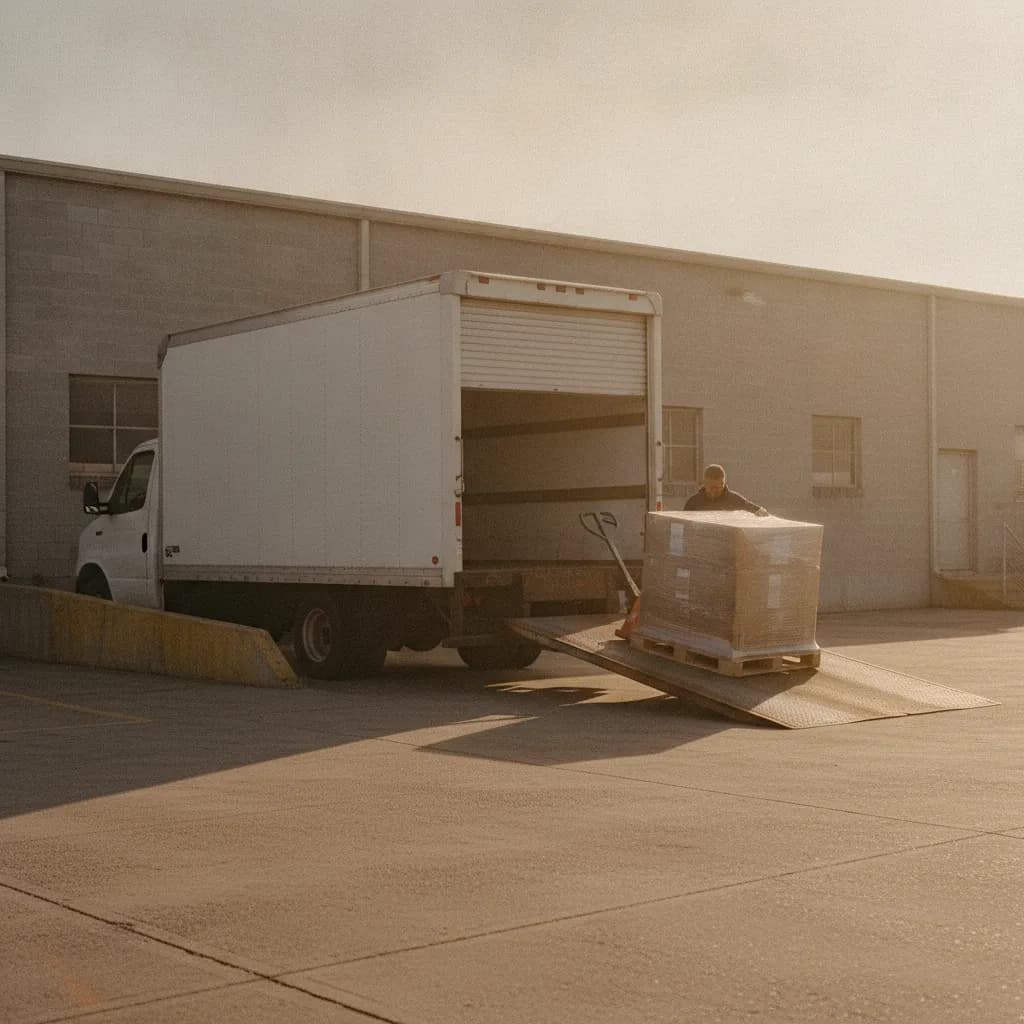
Broker vs Distributor vs DSD: How Your Product Actually Reaches a Shelf
Three words founders use interchangeably that describe three completely different jobs. One sells for you, one warehouses and invoices, one drives to the store and stocks the shelf. Getting them straight changes what you hire, what you pay, and what you should stop expecting.

Strategy for Food Entrepreneurs
What UNFI and KeHE Onboarding Really Involves for a Small Brand
Getting accepted is the easy part. The work is the item setup packet, the freight terms, the promotional programs, and the deduction categories that hit your remittance for months. Here is the full cost structure by category, and why a listing without retail pull is a liability.
Strategy for Food Entrepreneurs
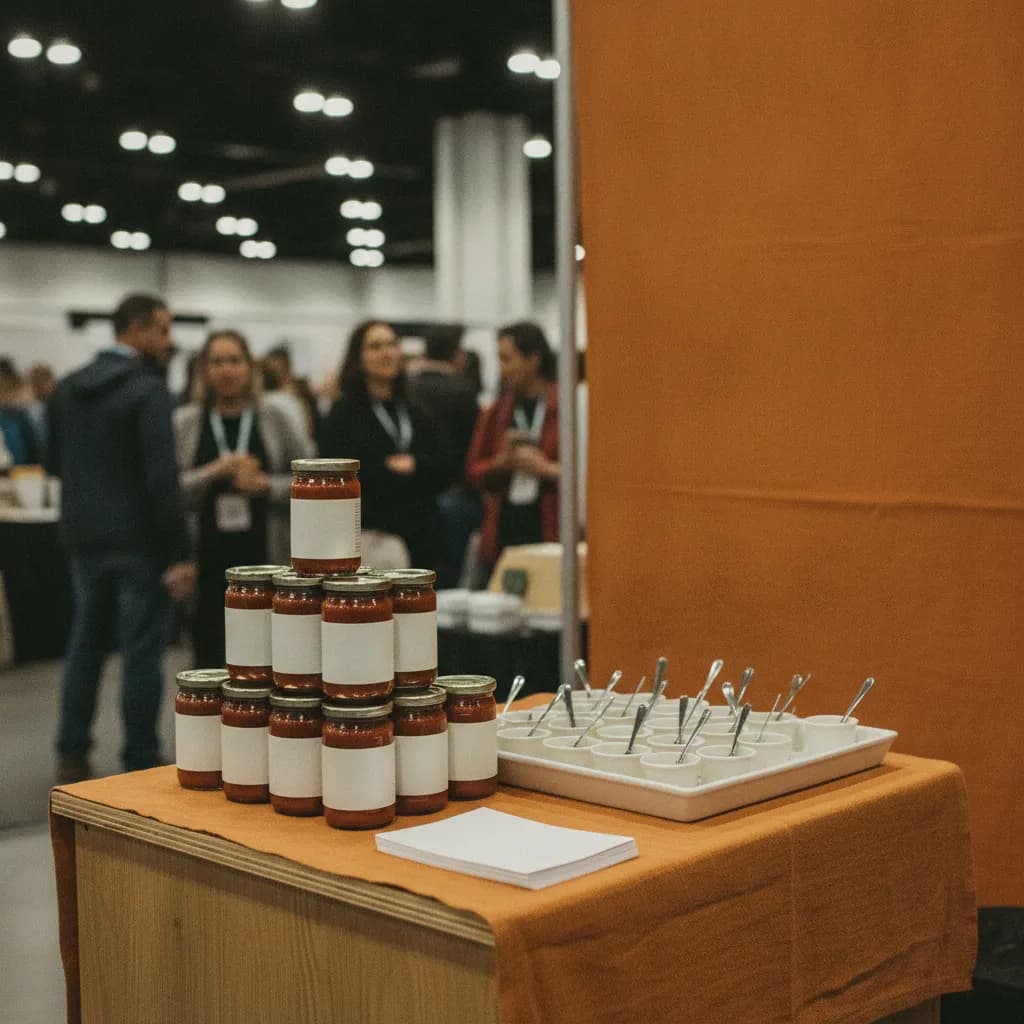
Expo West: What to Bring, What It Costs, and What Actually Converts
Every founder in this industry hears that Expo West is the room to be in. It is, and a booth is also one of the largest single checks a small brand writes. Here is the real cost stack, what converts on that floor, and the case for walking it before you exhibit on it.
Sauces, Condiments & Kettle-Cooked
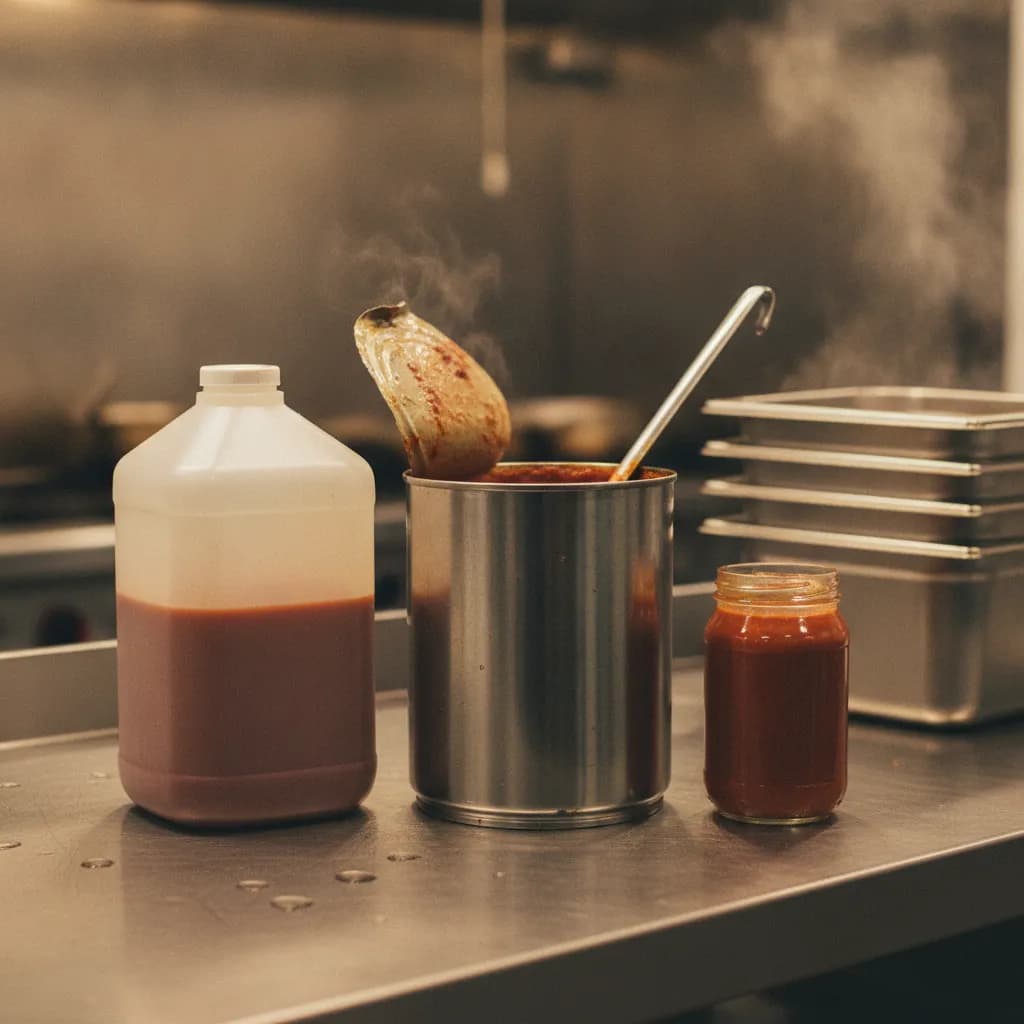
Converting a Retail SKU to a Foodservice Pack: Gallons, #10 Cans, and What Has to Change
A chef does not eat your sauce out of the jar. They pump it, hold it on a hot line, thin it, and cost it per portion. Moving a retail formula into a gallon jug or a #10 can changes the process, the viscosity spec, the labeling, and the economics, and it is not a repack.
Scaling & Production
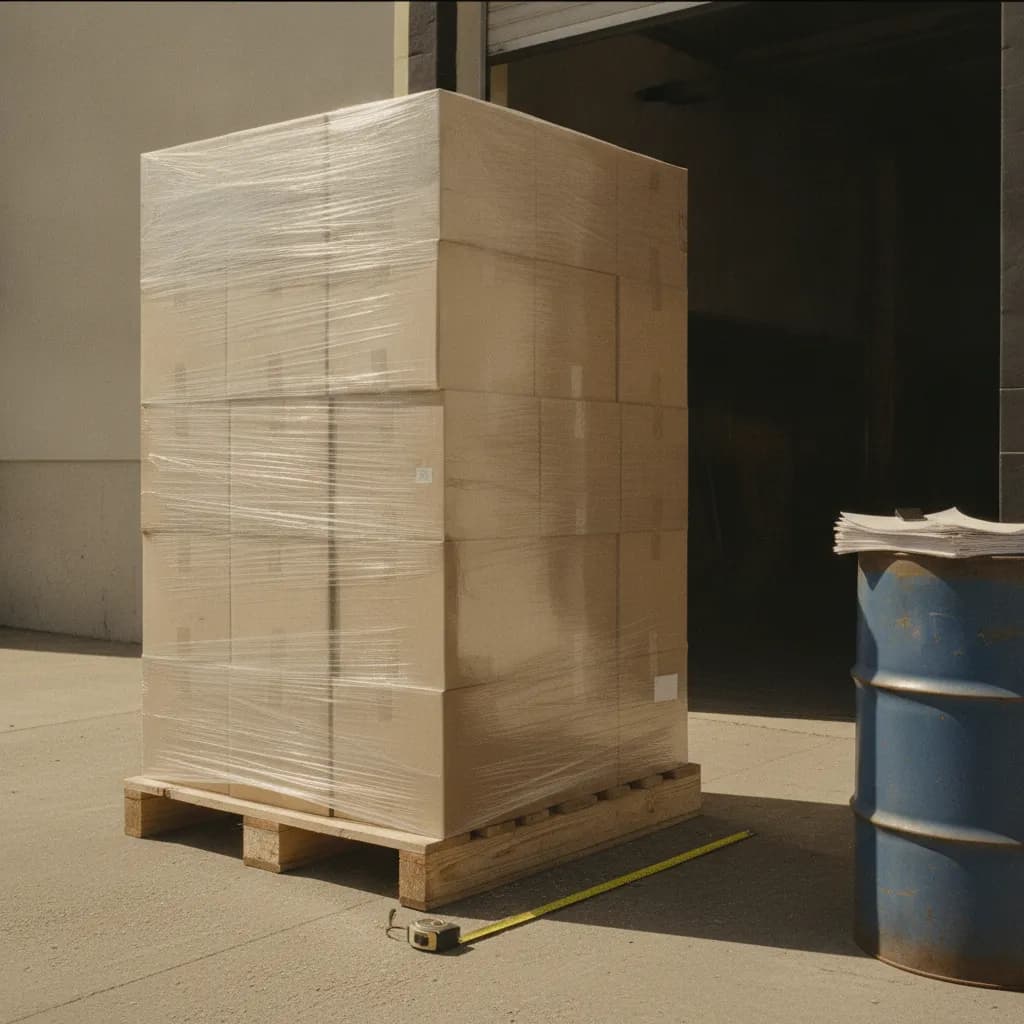
Pallet Configuration, Case Cube, and Freight Class: How Packaging Decisions Set Your Shipping Cost
Freight class is calculated from density, and density includes the pallet and all the air you shipped with it. The case dimensions you approved eighteen months ago are still charging you every single shipment. Here is how the math works and which decisions actually move it.
Ready to Develop Your Product?
Every great product starts with the right formulation. Let's talk about where you are and where you want to go.
Book a Free Discovery Call