The Timeline Nobody Gives You Straight
Almost every founder I meet starts with the same number in their head: a few months. They have a sauce the farmers market crowd loves, a name, and a picture of jars on a grocery shelf by the holidays. Then the calendar reveals itself one gate at a time, and the honest answer for a sauce or condiment going into real retail is usually closer to nine to eighteen months from serious start to first case on a shelf, sometimes past two years if the product fights you.
That gap between the imagined timeline and the real one is where most of the pain lives. Founders pre-sell inventory against a date that was never realistic, then spend the year apologizing. Here is the reframe I give everyone: this is not a race you win by rushing, but a sequence of gates, and the ones you try to skip come back and cost you a full production run. Let me walk you through how they unfold, what runs in parallel, and where the delays hide.
Stage 1: Concept and Positioning (Roughly 2 to 6 Weeks)
This is the cheapest stage and the one founders undervalue most. Before a single test batch, you decide what the product actually is: the category, the flavor position, the price tier, the channel you are aiming at (specialty, natural, mass), and the promise on the front of the jar. A vinegar-forward Carolina sauce for specialty stores and a sweet mass-market glaze are completely different development projects, and pretending the decision can wait means reworking the recipe later.
Positioning sets your constraints. If you decide you are a clean-label, real-ingredient brand for the natural channel, you have ruled out a list of shortcuts that would otherwise shorten your timeline: certain modified starches, some synthetic preservatives, artificial colors. That is a legitimate trade, a slower and more honest path you choose on purpose. Naming it now beats discovering it as a surprise in month six.
Stage 2: Bench Formulation and the Gold-Standard Sample (Roughly 4 to 12 Weeks)
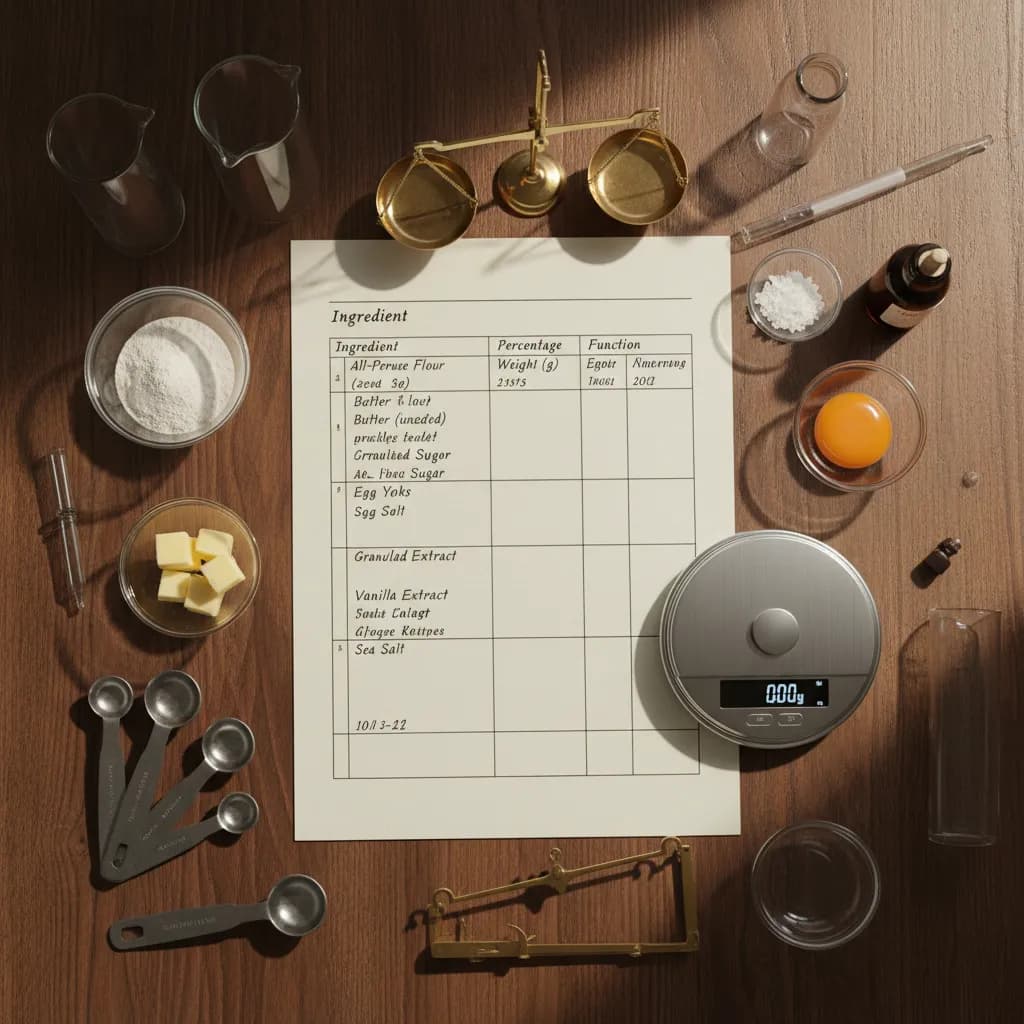
Bench formulation turns the kitchen version into something measurable and reproducible: ingredients by weight percentage, defined pH and Brix targets, a viscosity target, a flavor profile you can defend batch after batch. The output is the gold-standard sample, the reference every future batch gets judged against.
This stage swings from four weeks to twelve or longer because of the reformulation loop: taste, measure, adjust one variable, taste again. Real-ingredient formulations tend to add loops here, and that is the work paying off. Sweetness from concentrated real fruit or reduction rather than a high-intensity sweetener, umami from roasted alliums, tomato, mushroom, or a touch of miso instead of an additive, acid and spice balanced so salt reads louder and you use less of it: each choice is a few more iterations. It produces a product that holds up to an ingredient panel a natural-channel buyer will respect.
Where do the processed options sit? Tools like allulose, monk fruit extract, erythritol, MSG, potassium chloride, and modified starch exist and do real work in the industry. In a real-ingredient brand, though, they are a last resort or a narrow clean-label compromise, used only when the whole-food route genuinely cannot hit a safety or texture target. The default is to solve it with real food first, which costs bench time but protects the brand.
Stage 3: Making the Recipe Production-Ready (Roughly 2 to 6 Weeks, Overlapping)
A gold-standard sample is not yet a production document. The next gate is translating it into a specification a co-packer can execute without you standing over the kettle: finished moisture or solids instead of cook time, viscosity as a measured number instead of "thick like the sample," pH and Brix ranges with rejection thresholds, and a process flow written for a kettle operator.
I put this at two to six weeks, but it overlaps with the back half of formulation, because writing the spec often exposes a formulation question you did not know you had. It is the hinge of the whole timeline: a weak spec is the most common reason a first production run comes out wrong, which sends you back to the bench and adds months. I break this down in what makes a recipe production-ready, worth reading first.
Stage 4: Co-Packer Sourcing and the MOQ Reality (Roughly 1 to 4 Months)
Now the timeline depends on other people's calendars, and founder control drops sharply. Finding the right co-packer, getting quotes, negotiating, and signing takes weeks on its own. Then you hit two realities that reshape the plan.
The first is the minimum order quantity. Minimums are frequently measured in the thousands of units per run, because the fixed cost of setup, cleaning, and changeover has to spread across the batch. Founders regularly discover that the smallest run a good co-packer will do is more inventory than they planned to buy in a year, which forces a real conversation about capital and shelf life before anything gets made.
The second is scheduling. A co-packer running at capacity may not have a production slot for two to four months, sometimes more in peak season. This lag is one of the most underestimated delays in the journey, and once you are in the queue it is outside your control. Build it into your date, do not fight it.
Stage 5: The Pilot Batch and the Go/No-Go (Slot-Dependent)
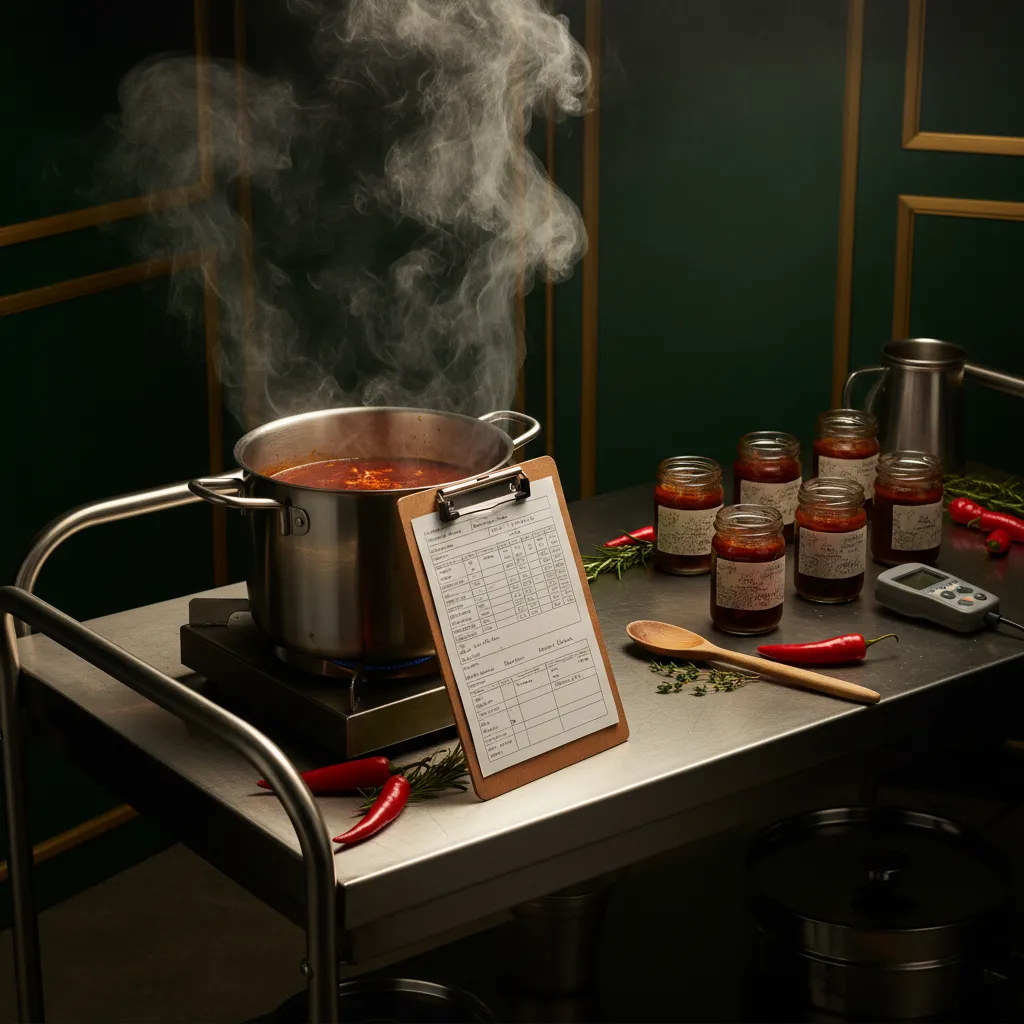
Before the full run, you run a pilot: a small, deliberate batch in the actual facility, on the actual equipment, with the actual packaging. The pilot itself is a single day. The wait for a slot, and the fact that a serious co-packer will want one before committing a full run, is what makes it a real timeline node.
The pilot ends in a decision: green (proceed), yellow (proceed with a named, specific fix), or red (reformulate before running). A red result costs time but far less than the same failure across thousands of units. I treat the pilot as insurance, and I lay out how to structure one and write the go/no-go sheet in the pilot batch protocol. Skipping this gate is the most expensive shortcut in the whole process.
Stage 6: Compliance Work, Running in Parallel (Weeks to Months)
Here is the most important structural point in this article: compliance is not a stage that waits at the end. Founders who hit their dates start the regulatory work in parallel with formulation, because several pieces have long clocks you cannot compress once they begin. Treat this as a track running alongside stages 2 through 5, not a line after them.
Nutrition Facts panel
You can generate a panel from a database calculation fairly quickly, often in one to a few weeks, or send finished product to a lab, which is more defensible but takes longer. Either way it cannot be finalized until the formula is locked, so late reformulation ripples into it. Confirm current labeling requirements with a regulatory consultant, because the rules shift.
Label design and regulatory review
Label artwork is not only a design job: ingredient statements, allergen declarations, net weight formatting, and claim substantiation all have to be right, and proper review takes time. A rushed label is a recall risk, so have someone qualified check it against current rules.
Process authority for acidified foods
If your sauce is an acidified food (many condiments, hot sauces, dressings, and BBQ sauces are), you generally need a scheduled process reviewed by a process authority, and your facility filings in order, before a co-packer will legally run it. This is a hard external dependency that can take weeks to a couple of months. Do not treat it as a formality, and always verify current requirements with a qualified process authority rather than assuming.
Shelf-life testing
This is the quiet long pole. Honest validation means putting finished product in real storage conditions and testing over time for safety, flavor, color, and texture drift. Accelerated methods can shorten the window, but a genuine real-time study can run months, and it should ideally begin on pilot product. If you want to claim a twelve-month shelf life, someone watches product for a meaningful chunk of that, which often sets the true floor on your launch date.
How Real Ingredients Change the Clock
A real-ingredient formulation adds time in two places, and both are worth it. Sourcing comes first: real, recognizable ingredients (a specific tomato paste, a real fruit concentrate, a particular vinegar, whole spices) carry their own lead times, certificate-of-analysis requirements, and seasonal variability, where a processed shortcut is easier to buy and more uniform. Shelf-life validation is second: preserving with real tools (acid balance, water activity managed through reduction, salt, careful pH) rather than synthetic preservatives means proving stability more carefully, because the food's own hurdles do the work. The payoff is a jar whose ingredient panel matches the promise on the front, and rushing that validation to save a few weeks becomes a stability problem on shelf that costs far more.
Stage 7: First Production Run (Days on the Line, Weeks of Lead Time Around It)
The run itself is fast. The lead times feeding it are not. Packaging is the usual culprit: glass jars, closures, and printed labels frequently carry lead times of many weeks, sometimes into the low months, and custom components run longer. You cannot fill product you do not have containers for, so packaging procurement has to start well before run day.
Assuming packaging and ingredients are staged and the pilot came back green, the run produces your first sellable inventory. Then comes post-run: QC hold-and-release, any final microbial or verification testing, and the wait for that to clear before product ships. Build a week or two of buffer here rather than promising a buyer product that is still on hold.
Related Reading
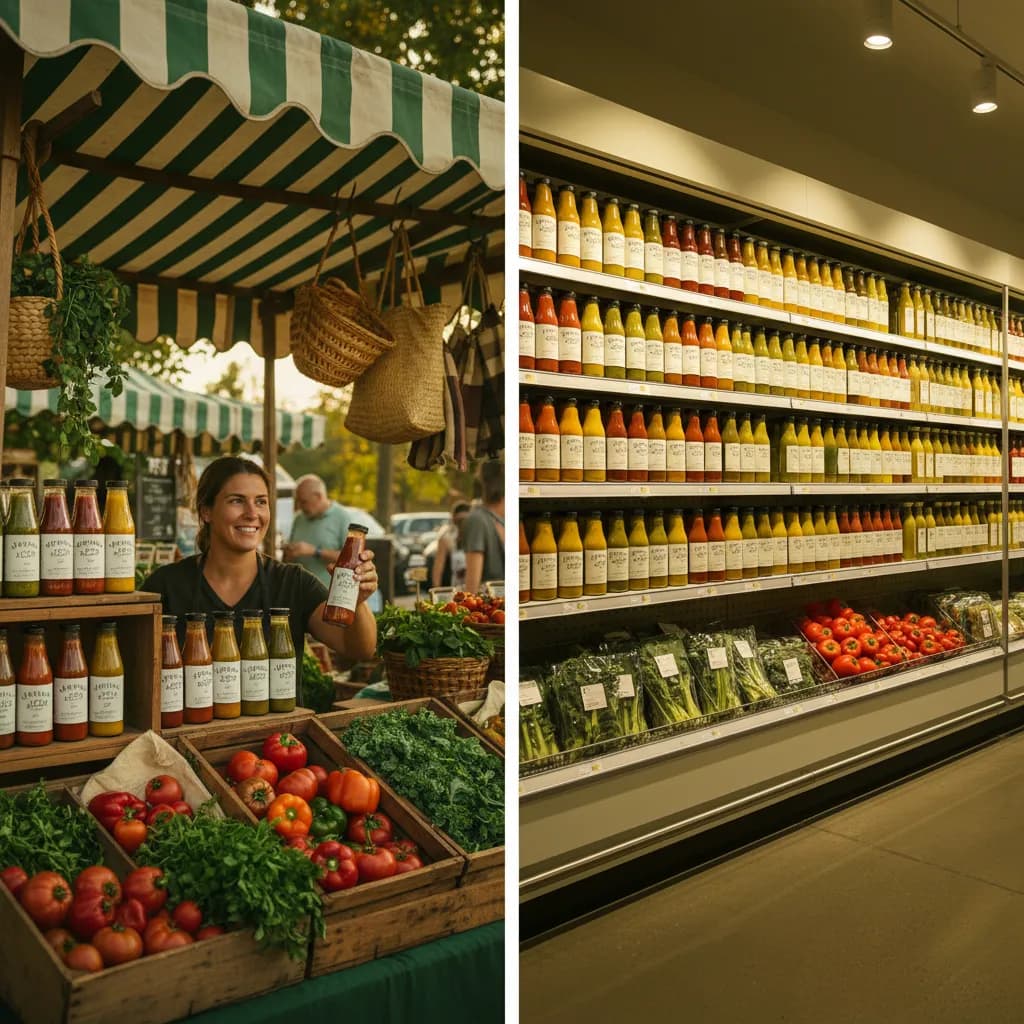
To go deeper on the pieces that most affect your timeline, start with what makes a recipe production-ready, then the pilot batch protocol before your first production run, and if you are making the jump from selling at markets to selling on shelves, farmers market to retail shelf.
Stage 8: Retail Launch (Its Own Calendar Entirely)
Getting product made is not the same as getting it sold, and the retail calendar answers to no one's spreadsheet. Buyers work on category review cycles that can be seasonal or annual, and distributor onboarding and first purchase orders have their own timing. The lesson: court buyers in parallel with production, not after, so inventory and an open shelf arrive at the same moment.
Where the Delays Actually Come From
Add up the projects that ran long and the causes cluster into four:
- Co-packer scheduling. The wait for a production or pilot slot, outside your control once you are in the queue. Plan for months, not weeks.
- Packaging lead times. Glass, closures, and printed labels ordered too late. Fully preventable with early procurement.
- Compliance clocks. Process authority sign-off and, above all, honest shelf-life testing. Started late, these gate everything.
- Reformulation loops. Every trip back to the bench after a weak spec or failed pilot adds weeks and re-triggers panels, labels, and testing downstream.
Three of the four are schedule and sequencing problems, not recipe problems. The highest-leverage move is to run compliance and packaging in parallel with formulation, and get the spec right the first time so you never pay for an avoidable reformulation loop.
Frequently Asked Questions
So what is the realistic total, idea to shelf?
Plan for roughly nine to eighteen months from serious start, with a wide spread either way. A simple, non-acidified product with an easy co-packer fit moves faster. An acidified one needing process authority review, real shelf-life validation, and custom packaging can run past two years. Every project varies, so treat these as anchors, not promises.
What can I actually do to make it faster?
Compress the sequence, not the gates. Start compliance and packaging sourcing early and in parallel. Lock a strong production-ready spec so you do not pay for reformulation loops. Court buyers while you produce. What does not work is skipping the pilot or shortcutting shelf-life testing, because those savings come back as a failed run or a stability problem.
Does going clean-label and real-ingredient really add time?
Usually a bit, yes, mostly in bench iterations, ingredient sourcing, and more careful shelf-life validation. It is one of the best trades a food brand can make. You end up with a product whose flavor and ingredient panel match the promise you are selling, worth far more than a few weeks saved on shortcuts you would later regret.
Can I start selling before the compliance work is done?
You should not, and a reputable co-packer generally will not run an acidified product without the required process filings in place. Food-safety and labeling requirements vary by product, state, and channel, and they change, so verify your situation with a qualified process authority or regulatory consultant before you make or sell anything. Getting this wrong is the one delay that can end a brand rather than slow it.
Building the Timeline That Actually Holds
The founders who launch on schedule are not the ones who moved fastest. They are the ones who mapped the gates honestly, started the long-clock items early, and refused to skip the steps that protect the brand. A realistic timeline is not bad news. It is what lets you quote a date you can keep, order the right inventory, and launch a product that tastes like the market samples people loved. If you are staring at a calendar of unknowns, unsure which gate comes next, that mapping is exactly the work I do with founders. Book a Free Discovery Call and we will build a timeline you can plan against.
Need Help With Your Formulation?
Whether you're scaling your first recipe or reformulating an existing product, let's talk about how to get it right.
Book a Free Discovery Call