Your Ingredient Panel Is the Most Scrutinized Part of Your Package
Every brand has a front-of-pack story. Beautiful photography, compelling copy, a logo that suggests craft and quality. But the ingredient panel on the back is where consumers decide if they believe you.
In 2026, the flip-and-read habit is mainstream. It's not just the health-conscious early adopters anymore — it's parents checking for allergens, shoppers using scanning apps, influencers posting ingredient-panel close-ups, and AI-powered recommendation engines parsing your label data. Your ingredient panel is public, permanent, and machine-readable. It's the most transparent piece of marketing your brand produces, and it either confirms or contradicts everything else you say.
I've worked with hundreds of CPG brands on their formulations, and the ones that treat the ingredient panel as a strategic asset consistently outperform those that treat it as a regulatory requirement. Here's how to think about ingredient transparency as a brand-building tool.
Why Transparency Has Become Non-Negotiable
Several converging forces have made ingredient transparency a baseline expectation rather than a differentiator:
Consumer Education Is at an All-Time High
Between nutrition apps, social media food science accounts, and documentary-driven awareness, the average consumer in 2026 is more ingredient-literate than a food science undergraduate was 20 years ago. They know what "natural flavors" means (and doesn't mean). They understand that ingredient order reflects quantity. They recognize that "spices" is a catch-all that could include anything. The information asymmetry that brands relied on for decades has collapsed.
AI and Label Scanning Apps
Apps like Yuka, Fig, and retailer-specific scanning features instantly grade your ingredient panel and flag concerns. A consumer scans your barcode, sees a red flag on an ingredient, and puts your jar back on the shelf — in less time than it takes to read your front label. These algorithms have their own biases and scoring criteria (and not all are scientifically sound), but they're real market forces driving purchasing behavior.
Retailer Procurement Standards
As I discussed in what clean label means for CPG brands, retailers increasingly screen ingredient panels before approving products for shelf placement. But beyond the binary approved/rejected decision, some retailers now rank products based on ingredient quality scores. A better ingredient panel can earn you better shelf placement, feature opportunities, and promotional inclusion.
The Regulatory Trend Line
The FDA is moving toward greater transparency requirements, including front-of-pack labeling reforms, added sugar disclosures (already implemented), and proposed updates to "natural" and "healthy" claims. Even if current regulations don't require you to disclose everything consumers want to know, the direction is clear. Brands that get ahead of regulatory trends avoid costly relabeling and reformulation when rules change.
What Your Ingredient Panel Actually Communicates
Your ingredient panel tells consumers more than you think. Here's what they're reading between the lines:
Ingredient Order = Priority Perception
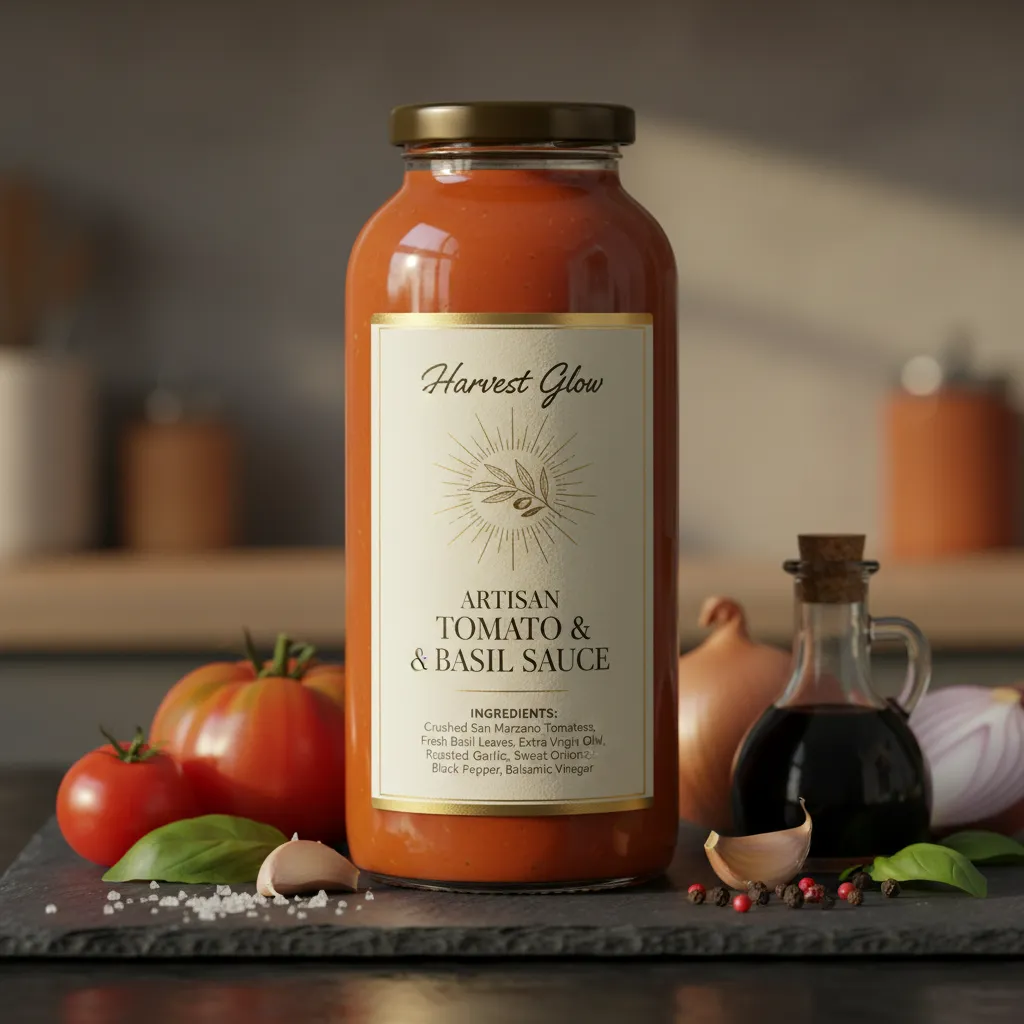
Ingredients are listed in descending order by weight. Consumers know this. When water is your first ingredient in a "premium tomato sauce," they notice. When sugar appears before the featured ingredient, they notice. The order of your top 3-5 ingredients is a statement about what your product actually is versus what your branding claims it is.
I've reformulated products specifically to change ingredient order on the panel — reducing water content so tomatoes move to the first position, for example. It's a small change in formulation that makes a large change in consumer perception. And here's the thing: when you formulate to put quality ingredients first, the product usually tastes better too.
Length = Complexity Perception
A short ingredient panel signals simplicity and intentionality. Products with 5-8 ingredients are perceived as more natural and trustworthy than products with 15-20 ingredients, even if every ingredient in the longer list is technically "clean." I've worked with brands to consolidate ingredients — using a compound ingredient that handles two functions, reformulating to eliminate a stabilizer by adjusting the process — specifically to shorten the panel.
Parenthetical Ingredients = Transparency or Anxiety
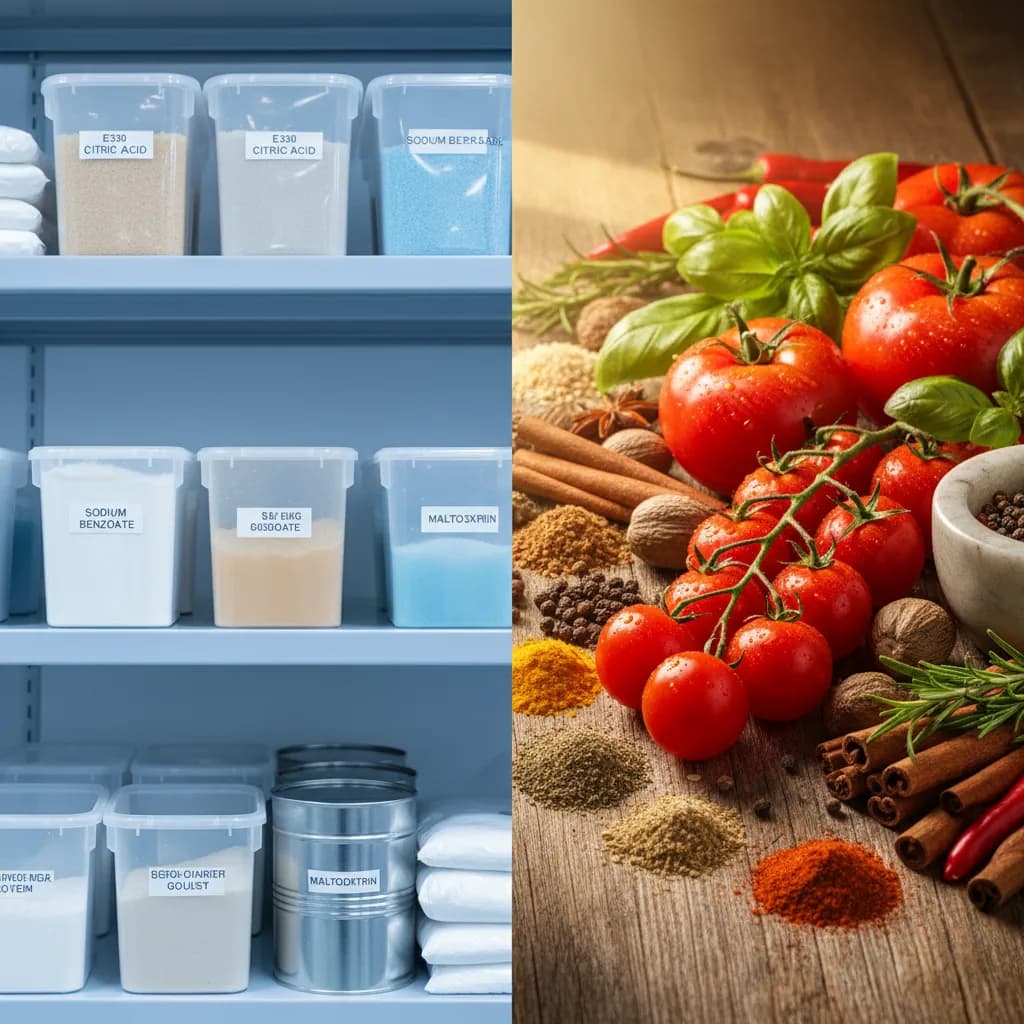
When your panel reads "tomato paste (tomatoes)," that's reassuring. When it reads "seasoning blend (maltodextrin, yeast extract, silicon dioxide, natural flavors)," that parenthetical expansion can undo your entire clean-label positioning. Every parenthetical is a window into your formula's complexity. If what's inside the parentheses contradicts your brand positioning, you have a formulation problem, not a labeling problem.
Transparency as Competitive Advantage in Sauce and Condiment Markets
In the crowded specialty sauce and condiment market, ingredient transparency is becoming a primary differentiator. Here's how to use it strategically:
The "Kitchen Test"
I apply what I call the kitchen test to every formulation: could a consumer make a version of this product in their kitchen using ingredients from a grocery store? If yes, your panel passes. If your ingredient panel includes items no home cook would recognize or buy, you have work to do. This doesn't mean your product should be identical to a home recipe — commercial formulation requires functional ingredients for stability, texture, and shelf life. But every ingredient should pass the recognition threshold.
Storytelling Through Ingredients
Some brands are turning their ingredient panels into storytelling tools. Specifying "organic tomatoes from family farms in California" instead of just "organic tomatoes" adds provenance. Listing "cold-pressed extra virgin olive oil" instead of "olive oil" adds quality signaling. The ingredient panel is the one piece of your packaging where you're legally required to tell the truth — use that credibility to tell a story that supports your brand.
This connects directly to the broader question of ingredient quality — if you're choosing cheap ingredients to save cost, your ingredient panel will eventually reflect that decision.
Proactive Disclosure
Leading brands are going beyond the regulatory minimum. QR codes linking to sourcing information. Website pages that explain why each ingredient was chosen. "Nothing to hide" campaigns that invite scrutiny. The brands that volunteer information build more trust than the ones that merely comply with disclosure requirements.
Common Transparency Pitfalls and How to Avoid Them
"Natural Flavors" Overreliance
"Natural flavors" is the most common ingredient that technically passes clean-label screens but erodes consumer trust. It's a legal category that can encompass hundreds of processing methods and source materials. When consumers see it, they increasingly assume you're hiding something — even if you're not. Where possible, replace "natural flavors" with named ingredients. If natural flavors are genuinely necessary for the formula, be prepared to explain what they are and why they're there.
The "Made With" Trap
Front-of-pack claims like "Made with real tomatoes" or "Made with olive oil" create an expectation that the ingredient panel must support. If your product is "made with olive oil" but olive oil is the eighth ingredient and soybean oil is the second, you've created a trust gap that savvy consumers will notice. Ensure your front-of-pack claims are proportionally supported by your ingredient panel.
Allergen and Sensitivity Blind Spots
Ingredient transparency extends beyond what's intentionally in the product. Cross-contact allergen disclosures ("may contain" statements), processing aids that don't legally require declaration, and shared-facility risks all matter to consumers with allergies and sensitivities. Underreporting allergen risks is both a legal liability and a trust violation.
Building an Ingredient Transparency Strategy
Here's the practical framework I recommend to CPG brands:
Audit your current panel. Print your ingredient panel in large type. Read each ingredient out loud. For each one, ask: would a consumer recognize this? Can I explain why it's there in one sentence? Does it support or contradict my brand positioning?
Identify your "explain or eliminate" ingredients. Every ingredient that requires explanation is a potential trust liability. For each one, decide whether the formulation benefit justifies the communication cost. Sometimes the answer is yes — citric acid is functional and defensible. Sometimes it's no — and reformulation to remove the ingredient is the better path.
Align your panel with your marketing. Your ingredient panel and your front-of-pack messaging should tell the same story. If your marketing says "simple" and your panel has 18 ingredients, something needs to change. If your marketing says "premium" and your lead ingredient is water, your formula needs work.
Prepare for the conversation. In 2026, consumers ask questions. Build a public-facing ingredient FAQ on your website. Train your customer service team on ingredient sourcing. The brands that handle ingredient questions confidently and transparently convert skeptics into advocates.
For specific guidance on natural preservative alternatives that keep your panel clean while maintaining shelf stability, that deep dive covers the practical formulation side.
Frequently Asked Questions
Do consumers really read ingredient panels?
Yes, and the percentage is growing. Recent industry surveys show 65-75% of specialty food consumers read ingredient panels "always" or "most of the time" before purchasing a new product. This number is even higher among Millennial and Gen Z shoppers. Moreover, label-scanning apps effectively "read" the panel for consumers who don't read it themselves — the app does the analysis and surfaces a simple score or recommendation. In practice, your ingredient panel is being evaluated by nearly every consumer who picks up your product, whether directly or through technology.
How do ingredient-scanning apps like Yuka affect sales?
The impact is measurable and growing. Brands have reported 15-30% sales lifts for products that score well on Yuka and similar platforms, and corresponding drops for products that score poorly. These apps are particularly influential in the natural and specialty channels where Molly Mills Creative's clients typically compete. While you can't optimize for every app's algorithm, formulating with recognizable, clean-label ingredients tends to score well across all major platforms.
Should I list sub-ingredients in compound ingredients?
Legally, you're required to list sub-ingredients of compound ingredients unless the compound ingredient constitutes less than 2% of the finished product and has a recognized common name. Strategically, I recommend transparency even when regulation doesn't require it. If your "seasoning blend" contains clean ingredients, listing them demonstrates transparency. If it contains ingredients you'd rather not disclose, that's a signal to reformulate the blend. The goal is a panel you'd be proud to enlarge on a billboard.
How does ingredient transparency affect retailer relationships?
Positively and significantly. Retailers increasingly use ingredient quality as a factor in vendor selection, shelf placement, and promotional opportunities. A clean, transparent ingredient panel makes the category buyer's job easier — they don't have to defend your product to their quality assurance team. It reduces the risk of consumer complaints being directed at the retailer. And it aligns with the private-label strategy of most major retailers, who are building their own clean-label store brands and want the branded products on their shelves to match that positioning.
What's the difference between ingredient transparency and clean label?
Clean label focuses on what's not in the product — no artificial ingredients, no synthetic preservatives, recognizable ingredients only. Ingredient transparency goes further: it's about proactively communicating what IS in the product, where it came from, and why it's there. A product can be clean label but not transparent (using "natural flavors" to hide formulation details). The strongest brands in 2026 are pursuing both — clean formulations communicated with radical transparency. That combination builds the deepest consumer trust and creates the most defensible brand positioning.
Need Help With Your Formulation?
Whether you're scaling your first recipe or reformulating an existing product, let's talk about how to get it right.
Book a Free Discovery Call