The Color on the Shelf Is a Promise You Have to Keep
Color is the first thing a shopper reacts to, before the label copy, before the price, before the first taste. A vivid red hot sauce reads ripe and punchy; a muddy one reads old. When founders pull synthetic dyes out of a product, they are usually doing it for the right reasons: the brand story, retailer requirements, a clean ingredient panel a customer can actually read. Then they run the first natural-color batch and the color is a shade off, or it looks great on fill day and turns brown by week six.
This is one of the more frustrating scale-up surprises I work through with founders, because the problem is rarely picking the wrong ingredient. It is understanding what real pigments do under acid, heat, light, and time, then building the formula and packaging to protect them. Natural color is achievable at retail quality; it just asks for more engineering than dropping in a synthetic dye and walking away.
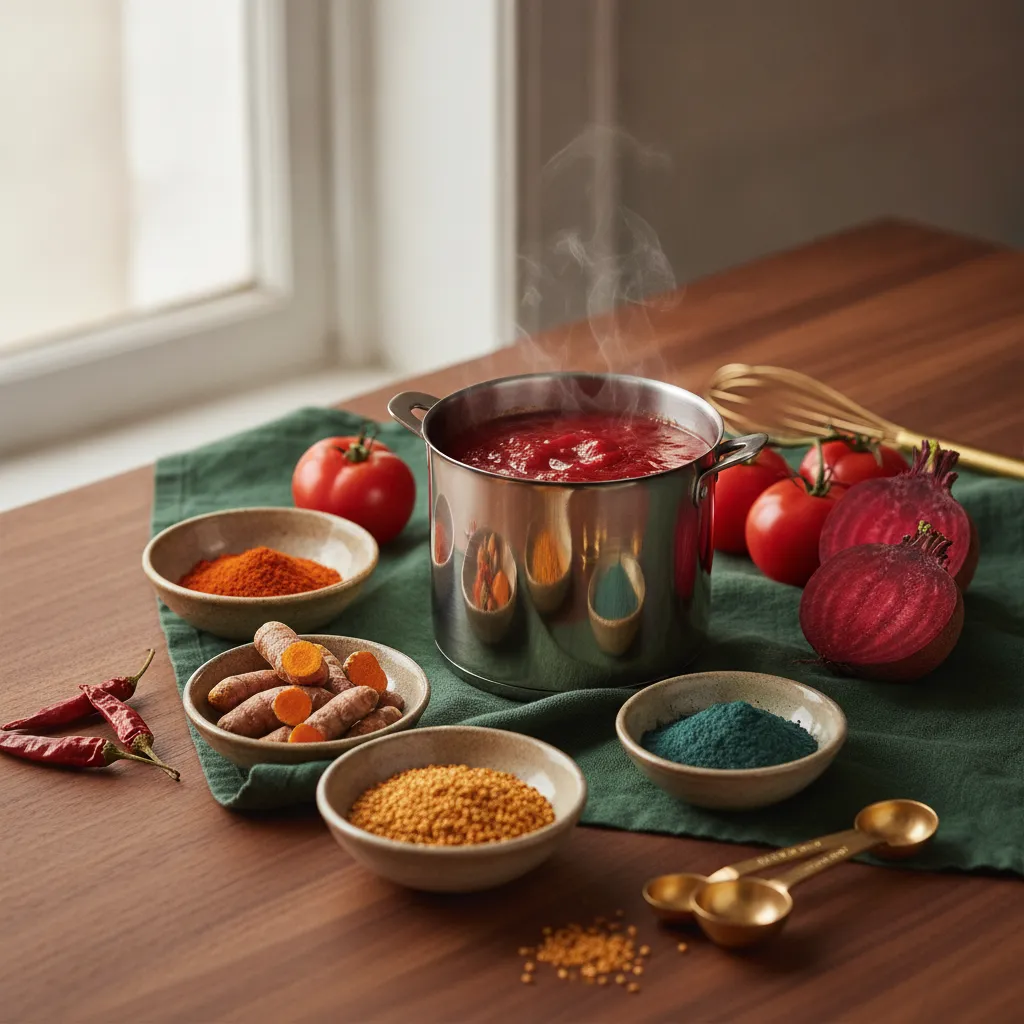
My bias, and why founders come to me for this, is to solve color with real food first. Paprika, turmeric, beet, spirulina, and their relatives are recognizable ingredients a customer trusts. Here is the palette, why it misbehaves, and how to make it hold.
Start With the Pigment, Not the Dye
Almost every color you want in a sauce, condiment, dressing, or seasoning can be reached with a real, recognizable ingredient. The trick is knowing which pigment family you are working with, because the family predicts the behavior.
Red and orange: paprika, chili, tomato
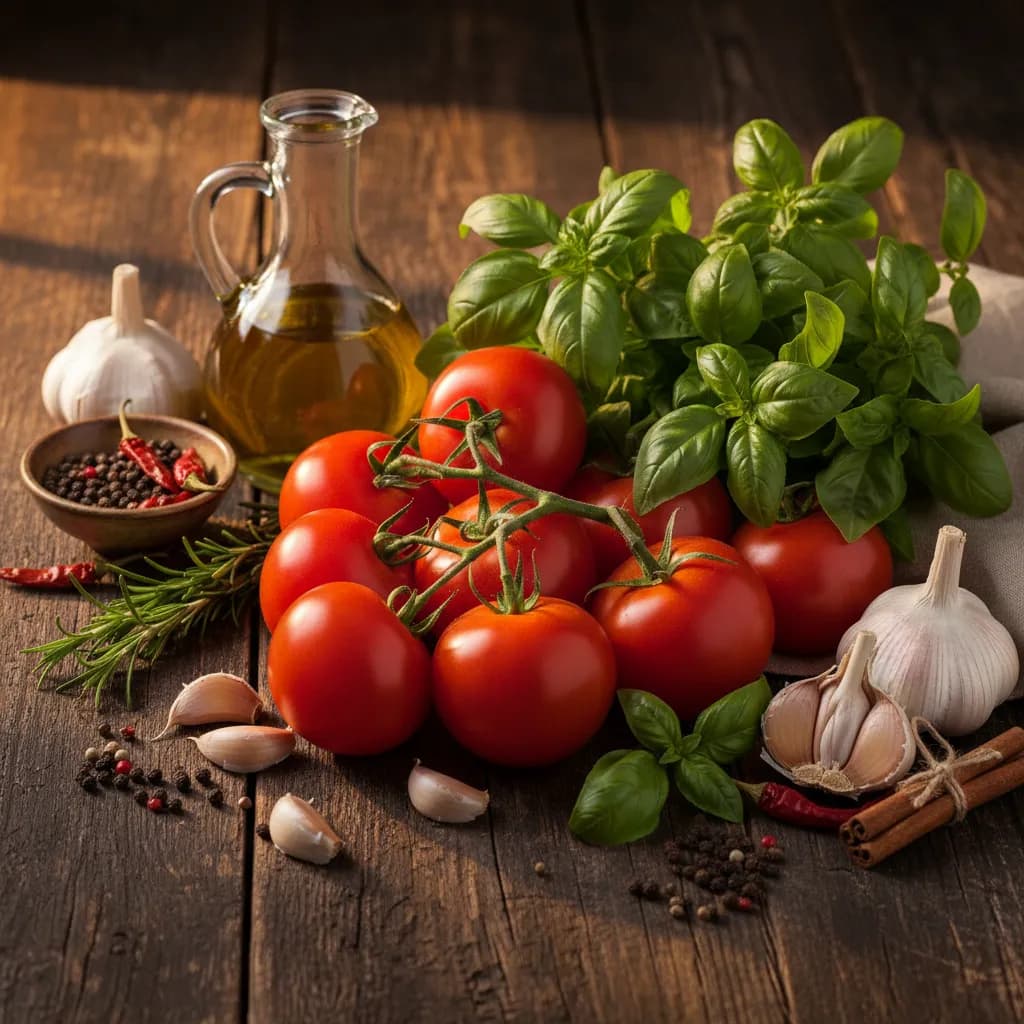
The warm end of the spectrum is carotenoid territory. Paprika and chili peppers deliver a deep red-orange, usually supplied as an oleoresin (an oil-soluble concentrated extract) with far more consistent strength than ground spice. Tomato brings lycopene, another carotenoid, which is why a well-made ketchup or arrabbiata reads bright red without a drop of dye. Carotenoids love fat and are reasonably acid stable, a natural fit for the low-pH, oil-containing world of many shelf-stable sauces.
Yellow and golden: turmeric, annatto, saffron
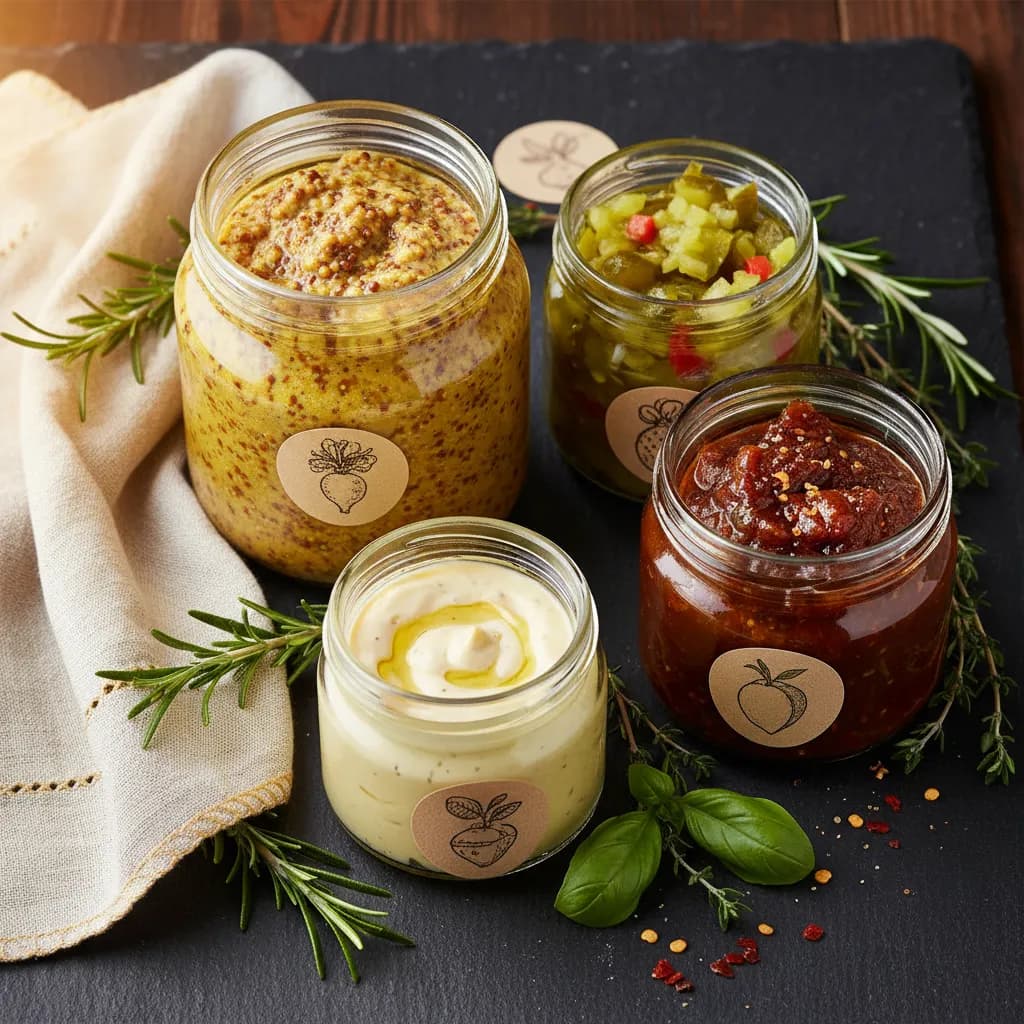
Turmeric, through its pigment curcumin, is the workhorse yellow: intense, cheap per unit of color, and a natural pair for mustard, curry, and golden sauces. Annatto (the pigment bixin, or its water-soluble form norbixin, from achiote seed) gives a warmer yellow-orange with a long history in cheese, butter, and snack seasonings. Saffron delivers a luxurious golden yellow at specialty prices, appearing where the brand story justifies it. Turmeric carries a mild earthy flavor and a strong staining habit, both of which you formulate around.
Pink, red, and purple: beet and the anthocyanins
Beet is the classic natural pink to red, driven by betalain pigments (betanin is the main one). Beet color is vivid and clean but heat sensitive, so it shines in cold or gently warmed applications. For a red-to-pink that also has to survive a hot process, anthocyanins are the reliable choice: purple and black carrot read cherry-red in acidic products, and purple sweet potato, red cabbage, elderberry, and grape skin cover deeper purples and blue-reds. Anthocyanins are color chameleons, though: their exact hue depends heavily on pH, which brings us to the hard part.
Green and blue: chlorophyll, spirulina
Green comes from chlorophyll, sourced from spinach, nettle, alfalfa, or a standardized chlorophyllin extract. It gives a natural herbal green for pestos, green sauces, and herb dressings, though it shifts toward olive or brown under acid and heat. True blue is the hardest natural color to source, and the main tool is spirulina, whose phycocyanin pigment produces a striking blue. Blue plus yellow (spirulina plus turmeric or safflower) builds a brighter, more stable green than chlorophyll alone. Spirulina is beautiful and also the most fragile pigment on this list.
Why Natural Color Is Harder to Hold
Synthetic dyes earned their share by being cheap, intense, and almost inert: same shade every batch. Real pigments are the opposite, living-plant chemistry that responds to everything you do to it. Five variables decide whether your color survives to the customer.
pH sensitivity
This is the big one, especially for anthocyanins. A red cabbage or purple carrot extract is bright red in a strongly acidic product, drifts to violet and blue as pH climbs toward neutral, and turns grayish blue-green in alkaline conditions. Since most shelf-stable sauces live between roughly pH 3 and 4.5, anthocyanins read red to magenta there, usable and predictable if you hold pH tight. Curcumin from turmeric is also pH reactive: bright yellow in acid, shifting reddish brown as pH rises. Betalains from beet are comparatively stable across a wide pH band, one reason beet is such a friendly pink when heat is not the issue. Your color spec and your pH spec are the same conversation: a reformulation that nudges pH to fix flavor or shelf life can quietly move your color, one of many reasons pH discipline runs through everything in condiment formulation.
Light and heat fade
Most natural pigments degrade with light and heat, at different rates. Betalains (beet) are notably heat sensitive, so a beet-colored product that goes through a long kettle cook and hot fill can arrive noticeably paler than it started. Phycocyanin (spirulina blue) is the most fragile of all, both heat labile and light sensitive, which is why natural blues are so often sold in opaque packaging and gently processed. Curcumin and riboflavin-type yellows fade on a bright shelf. Carotenoids (paprika, annatto, lycopene) hold up better to heat but still fade under prolonged light. Scaling a stovetop recipe to a longer kettle cook piles on thermal punishment, and color loss is a common, underestimated result.
Oxidation
Oxygen is the slow thief. Carotenoids in particular oxidize over shelf life, showing up as fading and, in bad cases, off aromas as the pigment breaks down; anthocyanins and chlorophyll oxidize too, trending brown or olive. Oxidation is accelerated by light, heat, trace metals, and headspace oxygen, so it compounds with every other stressor on this list. This is why a product can look perfect at fill and drift over weeks even in a cool, dark warehouse.
Batch-to-batch variation
A synthetic dye is a standardized chemical, so a given weight delivers the same color every time. A real pigment is an agricultural product. The color strength of paprika, beet, or turmeric varies with the crop, the season, and how the raw material was dried and stored. Dose color by weight alone and you get visible shade drift between batches. The professional fix is to buy standardized extracts specified by color strength (a defined color value, not just kilograms of powder) and dose to a target color verified against a reference.
Cost
Natural colors generally cost more than synthetic dyes per unit of finished color, sometimes several times more, because you often need higher use levels and the standardized extracts carry a premium. Spirulina blue and saffron sit at the expensive end; turmeric and paprika are relatively economical. Treat natural color as a real line item in your COGS from the start, not a rounding error. For most premium clean-label brands the math still works, because the color is part of what justifies the premium position.
The Honest Truth About Synthetic Dyes
I am not going to pretend synthetic dyes never worked. FD and C colors like Red 40, Yellow 5, Yellow 6, and Blue 1 are inexpensive, extremely stable, and predictable, which is precisely why they dominated processed food for decades. If technical convenience were the only goal, they would win.
But the market has moved, and moved hard. Major retailers in the natural and premium channels restrict or ban several synthetic dyes outright, regulators have been tightening the rules (the authorization for one long-standing red dye was moved to be revoked, with ongoing pressure to phase out petroleum-based colors), and a growing share of shoppers read labels specifically to avoid them. I will not state any specific rule as settled, because dye regulations are changing fast and vary by market, so verify the current status of any colorant with your regulatory consultant or process authority before you commit. For a brand built on real ingredients, a synthetic dye on the panel is increasingly a liability, not a shortcut.
So where do the processed options honestly fit? If a founder hits a genuine technical wall, say a specific bright blue that has to survive an aggressive process where even standardized natural extracts fail, the newer nature-derived and highly purified color options are worth discussing as a considered compromise, eyes open about label impact and channel fit. That is a last resort, not my default. My default is to solve the color with real food and spend the effort that makes real food hold.
Formulating and Packaging to Protect Real Color
The good news: nearly every weakness above has a countermeasure, and stacking a few carries natural color through production and shelf life.
Lock your pH and hold it tight. Since pH drives hue for anthocyanins and curcumin, a stable finished pH gives you a stable color. Specify pH as a narrow range, not a ceiling, when color depends on it.
Match the pigment to the process. If your product takes a long hot cook and hot fill, lead with heat-tolerant families (paprika, annatto, anthocyanins) rather than fighting to keep beet or spirulina alive through the kettle. For a fragile color, choose the gentlest viable process and the shortest time at temperature.
Use the right form of the colorant. Oil-soluble oleoresins disperse and hold better in fat-containing products; water-dispersible forms are made for aqueous systems. Microencapsulated natural colors shield sensitive pigments from oxygen and light, the difference maker for spirulina or beet.
Fight oxidation with real-food antioxidants first. Rosemary extract and acerola or other ascorbic-acid-rich ingredients slow oxidation while keeping the label clean, and reducing headspace oxygen, hot filling well, and inert-gas flushing help on the packaging side.
Package like the color matters. Opaque or UV-protective packaging, or a secondary carton, extends color life for light-sensitive pigments. Insist on clear glass to show the product and you pay for that visual appeal with more spend on pigment stability and oxygen control elsewhere. And because natural color fades gently, formulating slightly above your target shade at fill lands you on target at mid-shelf-life.
Specifying Color So It Ships the Same Every Time
The last piece is turning color from an opinion into a spec. Kitchen language like make it a nice bright red is how you get six different reds across six batches. A production-grade color spec defines a reference (a retained physical standard, a color card, or instrument values in a defined color space), an acceptable range and rejection threshold the same way you would for pH or Brix, and when color is read, at more than one time point, since a pigment that photodegrades measures differently at fill, at one week, and at end of shelf life. Pair that with a standardized input dosed to a target shade rather than a fixed weight, and batch drift shrinks to something a customer will never notice. That is what lets a real-ingredient brand look every bit as consistent as a dyed competitor, without the dye.
Related reading: what clean label really means for CPG brands, ingredient transparency as a brand promise, and condiment formulation for flavor and shelf stability.
Frequently Asked Questions
Can I get a true bright blue without synthetic dye?
Yes. The main tool is spirulina, whose phycocyanin pigment produces a genuine blue. The catch is that it is the most fragile natural color on the shelf, sensitive to heat, light, and acid. You make it work by keeping the process gentle, using opaque or UV packaging and low headspace oxygen, and often an encapsulated form. Very achievable, it just asks for the most engineering of any color here.
Why does my beet-colored product turn brown over time?
Beet color comes from betalains, which are heat sensitive and oxidize over shelf life, so long hot processing plus oxygen fades a vivid pink toward brown. The fixes: minimize time at high temperature, reduce headspace oxygen and hot fill cleanly, add real-food antioxidants, or switch to an anthocyanin source (purple or black carrot) for better heat tolerance.
Will natural colors change my product's flavor?
They can, and you formulate around it. Turmeric carries a mild earthy note, paprika and chili add warmth and can bring heat, and beet has a faint earthiness. At the low use levels typical for color these are usually easy to balance, and deodorized extract forms exist when you need a color to be flavor-neutral.
Is natural color worth the extra cost and effort for a small brand?
For a brand whose whole promise is real, recognizable ingredients, almost always yes. The color helps justify the premium and keeps you eligible for the natural and premium channels that increasingly restrict synthetic dyes. Price it into your COGS honestly and spend the effort up front, rather than discovering the cost and the fade after launch.
Where This Turns Into Real Work
Getting a beautiful natural color on fill day is the easy part. Getting the same color, batch after batch, all the way to the back of shelf life, through your real process and packaging, is the work. It ties together pigment choice, pH, thermal process, oxygen strategy, packaging, and a color spec tight enough for a co-packer to hit. When one of those is wrong, the color quietly drifts and the shelf presence you counted on erodes. If you are pulling synthetic dyes and want the natural version to look every bit as vivid and stay that way, this is exactly the kind of problem I solve with founders inside an engagement. Book a Free Discovery Call if you want a hand building color that holds.
Need Help With Your Formulation?
Whether you're scaling your first recipe or reformulating an existing product, let's talk about how to get it right.
Book a Free Discovery Call