The Room Everyone Tells You to Be In
Natural Products Expo West is the defining trade show for the natural and organic channel in the United States. It is produced by New Hope Network and held at the Anaheim Convention Center; the 2027 edition runs March 2 to 5, with the exhibit halls open March 3 to 5. Buyers, brokers, distributors, co-packers, ingredient suppliers, investors and press all land in Anaheim the same week.
Worth knowing about the calendar: the old Natural Products Expo East was retired after 2023 and New Hope replaced it with Newtopia Now, held in Denver in August. The Specialty Food Association's Fancy Food Shows are the other major option for a sauce or condiment brand. Expo West remains the largest of the natural-channel shows by a wide margin, and check the official site for current exhibitor and attendance figures rather than trusting numbers quoted secondhand, including mine.
Now the part nobody says out loud at the booth-sales stage: for a small brand, exhibiting at Expo West is frequently the largest single marketing expenditure of the year, and a meaningful share of first-time exhibitors get very little back from it. That is not because the show does not work. It is because the show rewards preparation and punishes hope, and most first-timers arrive with hope.
The Cost Stack, Category by Category
I will not quote figures, because booth pricing depends on size, location and year, and every brand's version of this differs. But if you build a budget with only the first line on it, you will be badly wrong. The categories:
Booth space. The floor itself, priced by size and position. Shows commonly have distinct areas, including sections oriented toward new and emerging brands, which are usually the right place to start.
Booth build. Design, fabrication or rental, graphics, shelving, counters, lighting. This ranges from a rented table with a good banner to a custom build. The custom build is rarely what wins you a buyer.
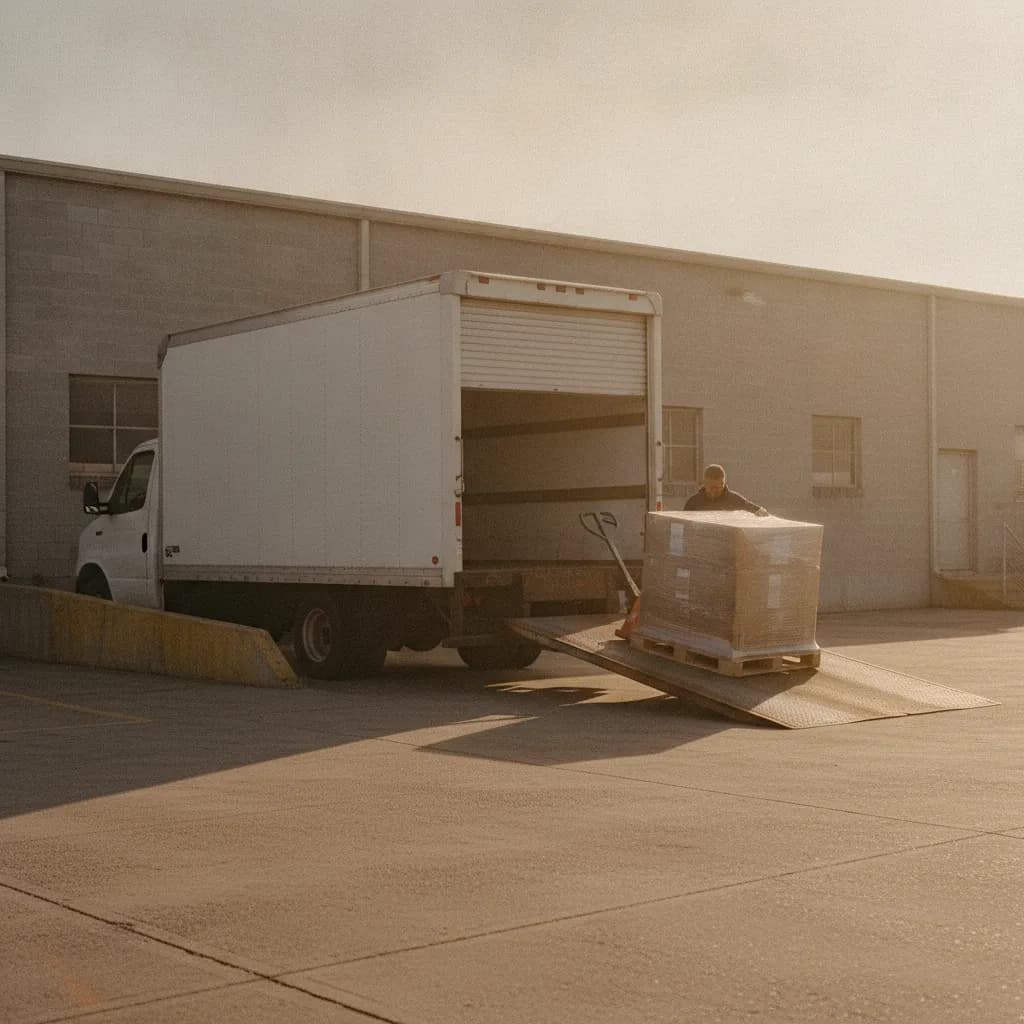
Drayage and material handling. This is the cost founders never see coming. Getting your freight from the loading dock to your booth space, and back out again, is a separate charge from shipping, billed by weight, and it is a substantial line. Shipping product and booth materials to Anaheim is only half of the freight story.
Show services. Electrical, internet, carpet, cleaning, furniture rental, lead retrieval devices. Each is ordered separately and each is priced at convention-center rates, with an advance-order discount and a much higher on-site rate if you forgot something.
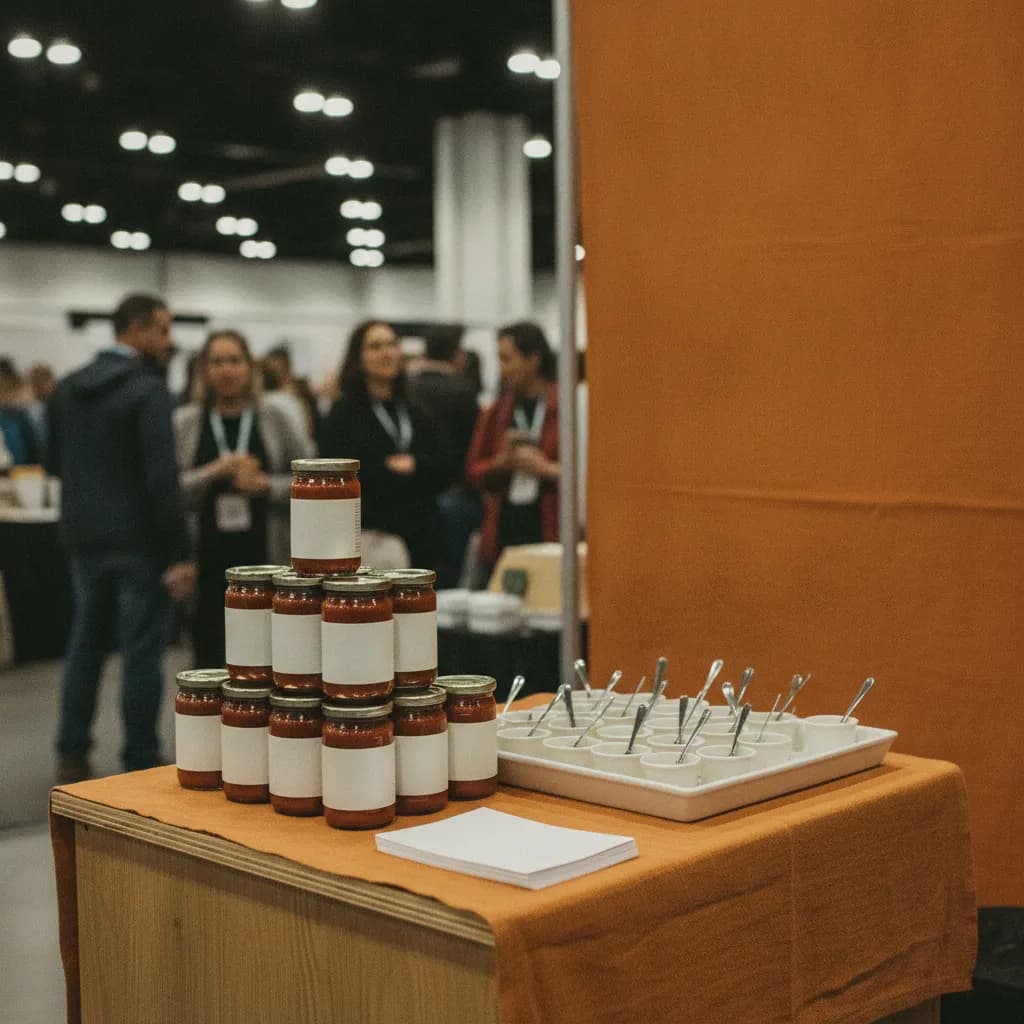
Product. Samples are inventory you produced and will not sell. For a sauce brand this means cases of product, plus sampling supplies: cups, spoons, napkins, a carrier for whatever you are sampling on, and any refrigeration or ice if your product requires it.
Travel and lodging. Anaheim during show week is a seller's market for hotel rooms, and you need enough staff to keep a booth covered without anyone standing there alone for nine hours.
Collateral. Sell sheets with your case pack, UPC, pricing structure and lead time on them. A one-page leave-behind that a buyer can act on. Not a brochure about your story.
Post-show costs. Shipping product back, or donating it, plus the follow-up you have to actually resource. A pile of scanned badges that nobody works is the most common way brands turn a large expense into nothing.
Build all of that into one number before you decide. Then ask what that same number would do if you spent it on inventory, a demo program in the stores you are already in, or the distributor onboarding costs you may be about to incur anyway.
What Actually Converts on That Floor
Having watched brands do this well and badly, the pattern is consistent.
Pre-booked appointments convert. The single highest-value thing you can do is arrive with a calendar of scheduled meetings with named people: buyers you have already been in conversation with, your broker, your distributor category manager, a co-packer you are evaluating. The show is the place those conversations get finished, not the place they get started.
Existing relationships convert. A buyer who already knows your item and has been waiting for a reason to move will move at a show, because everyone is in the same building and decisions get made face to face.
Supply-side meetings convert, quietly. Ingredient suppliers, co-packers, packaging vendors, label printers, and testing labs are all on that floor. For a brand in the middle of a scale-up, a day of supply-side meetings can be worth more than the buyer meetings, and nobody budgets for it because it does not feel like sales. Some of the best co-packer introductions I have seen started in an aisle at Expo West, which is a legitimate addition to the search described in how to find and vet a co-packer.
Other founders convert, in a slower way. The most reliably useful conversations at any of these shows are with people one stage ahead of you, who will tell you which distributor program hurt them and which broker actually returns calls. That information is not available anywhere else.
Press and media sometimes convert. If you have a genuinely differentiated product and a real story, and you did the work of contacting writers in advance.
What Does Not Convert
Waiting to be discovered. The floor is enormous and the buyers walking it have a target list. A brand with no outreach done in advance is relying on a stranger stopping at the right moment, which is a lottery ticket, not a plan.
Sampling volume as a goal. By the last day the aisles fill with people who are there to eat. Handing out thousands of samples feels like activity. Count buyer conversations, not cups.
A beautiful booth with nothing behind it. A gorgeous build with no appointments, no pricing structure, no case pack information, and no answer to "what is your lead time" is an expensive way to be forgettable.
Being unready to fulfill. The worst outcome at a trade show is not being ignored. It is being wanted. If a buyer says yes and you cannot produce, cannot meet their insurance and item setup requirements, and cannot ship on their terms, you have burned the relationship you paid to start.
What to Have Ready Before You Book a Booth
This is my actual gate. If you cannot check these, spend the money elsewhere this year.
- Product you can produce at volume, with a co-packer relationship and a run scheduled, not a kitchen and a hope.
- Pricing that survives the channel. Your wholesale price, your distributor margin, your suggested retail, and a landed cost model that works. If that math is not built, build it with unit economics for a shelf-stable sauce brand before you print a sell sheet.
- A sell sheet a buyer can act on: UPC, case pack, case dimensions and weight, pallet configuration, shelf life, wholesale price, lead time, distributor availability.
- The compliance documents a serious buyer will ask for, which overlap almost exactly with the package described in what an SQF or BRCGS audit asks you for.
- An appointment calendar, built over the two months before the show.
- A follow-up plan with a named owner, executed in the week after, not the month after.
The Advice Most People Will Not Give You
For a first-year brand, attend without exhibiting.
Buy a badge, walk the floor, take twenty meetings, taste everything in your category, study how the brands one stage ahead of you present their pricing and their sell sheets, and go home with a notebook. It costs a fraction of a booth. It generates a meaningful portion of the value. And it tells you, from the inside, whether a booth next year is a real investment or an expensive photograph.
I have never once regretted telling a founder to do this. I have watched several spend a year's marketing budget on a booth they were not ready to use, come home with a stack of unworked badges, and conclude that trade shows do not work. Trade shows work. They just do not work as a substitute for having a business the show can help.
Expo West is a genuinely great room. Go into it with appointments, a price structure, and the ability to ship, and it can compress a year of relationship building into three days. Go into it hoping, and it is the most expensive hope in the natural products industry.
Sources: Natural Products Expo West, general information · New Hope Network · Newtopia Now · Specialty Food Association, Fancy Food Shows · Anaheim Convention Center
Need Help With Your Formulation?
Whether you're scaling your first recipe or reformulating an existing product, let's talk about how to get it right.
Book a Free Discovery Call