Three Jobs, Three Words, Endless Confusion
A founder told me last year that she had "signed with a distributor" and was waiting for orders. Six weeks in, nothing. It turned out she had signed with a broker. Nobody had bought a single case, because a broker does not buy anything.
That is not a stupid mistake. The vocabulary is genuinely muddled, partly because some companies do more than one of these jobs and partly because everyone uses the words loosely. The distinction determines what you are paying for and what you should expect in return.
There are three separate jobs between your finished cases and a shopper's cart:
- Selling. Convincing a retail buyer to authorize your product.
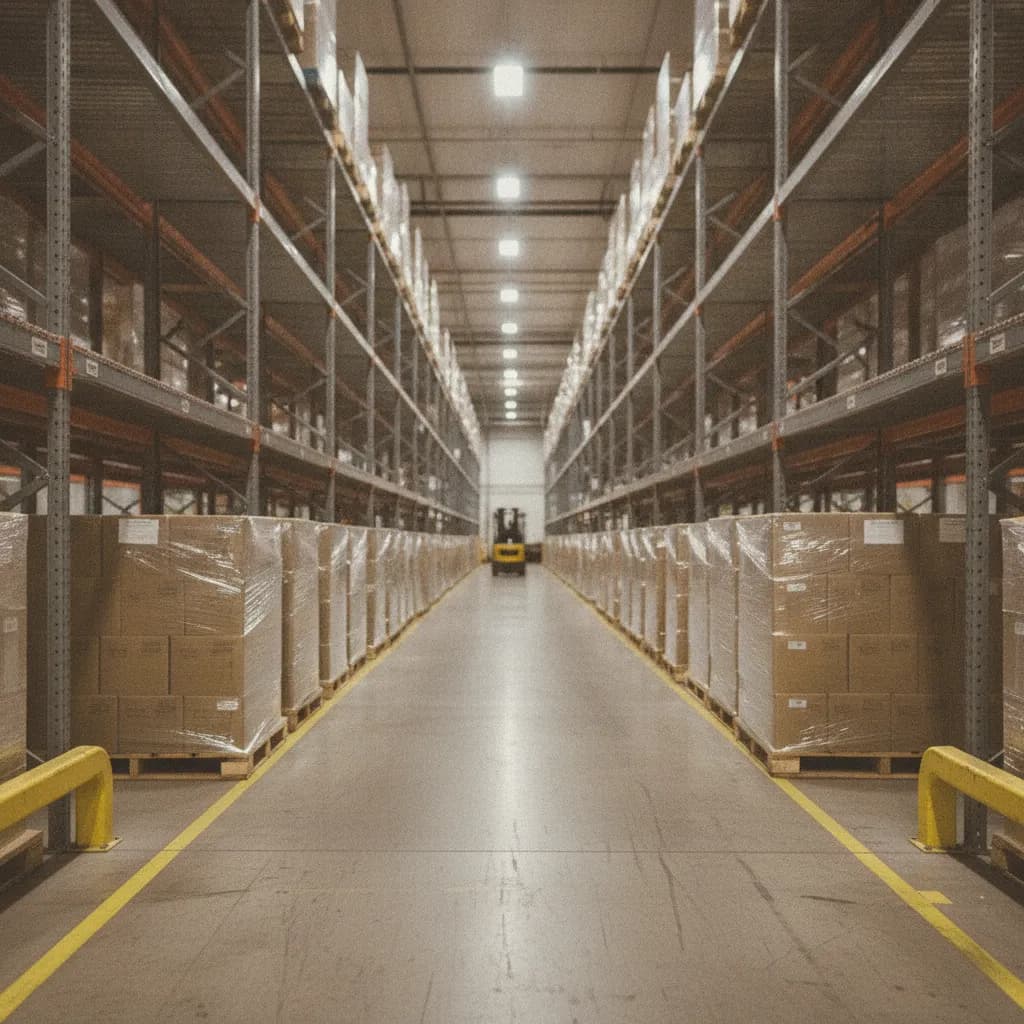
- Distribution. Owning, warehousing, picking, shipping and invoicing your product so a store can order a case of it.
- Delivery and merchandising. Physically getting the product into the store and onto the shelf, facing it, rotating it, and fixing out-of-stocks.
A broker does the first. A distributor does the second. DSD does the third, and sometimes the second. No one of them does all three, and none of them creates demand.
The Broker: A Sales Force You Rent
A food broker is an independent sales agent. They represent a portfolio of brands to a set of retail buyers they already have relationships with, in a defined territory or channel. They do not take title to your product. They do not warehouse it. They do not invoice the retailer. They sell.
How they are paid: commission, typically calculated as a percentage of net sales in their territory, and typically in the low single digits. The exact number depends on the category, the channel, the size of the territory, and how much work the account takes. Ask, get it in writing, and understand precisely what "net sales" means in your agreement, because that definition is where the money is.
What a good broker gives you: access to a buyer who does not answer cold emails, knowledge of that retailer's category review calendar, help preparing the sell sheet and the pricing structure the buyer expects, and someone who can tell you honestly whether your item has a chance before you spend six months chasing it.
What a broker does not give you: demand. A broker can get you authorized. Authorization means the retailer has said yes to carrying the item. It does not mean anyone buys it. If your product sits, the broker's commission goes to zero and so does their attention, which is rational behavior and worth planning for rather than resenting.
The honest part: a broker with twenty or forty lines allocates attention in proportion to what earns them money. A new brand with no velocity data is at the bottom of that list, which is why most good brokers will not take an early brand at all. If you are pre-revenue in retail, hiring a broker is usually paying someone to make calls you could make yourself with more conviction. A broker becomes genuinely valuable when you have real movement in a few stores and need to turn that into a regional conversation.
The Distributor: Someone Who Buys and Warehouses
A distributor takes title. They buy cases from you at your wholesale price, hold them in a distribution center, and sell them to retailers who order through their catalog. They handle the picking, the truck, the invoice to the retailer, and the credit risk on that retailer.
For the natural and specialty channel in the United States, the two names every founder eventually hears are UNFI and KeHE. There are also strong regional and specialty distributors, and for a lot of brands those are the better first step. And some retailers self-distribute, meaning you ship to the chain's own distribution center and they move it to their stores.
What you are buying: reach. A retailer that already orders weekly from a distributor can add your item to an existing order with no new vendor setup, no new payment relationship, and no new truck. That is an enormous reduction in friction, and it is the entire reason the model exists.
What it costs: a distributor margin off your wholesale price, plus a set of program costs that most founders do not anticipate and that deserve their own article. I wrote that one: what UNFI and KeHE onboarding really involves.
The misunderstanding to kill now: being in a distributor's catalog is availability, not distribution. It means a store can order you. It does not mean any store has ordered you. Brands that treat a distributor agreement as the finish line spend a year confused about why nothing moved. The distributor is a pipe. Somebody still has to create the pull at store level, and that somebody is you, your broker, or your marketing.
DSD: You Drive, You Stock, You Own the Shelf
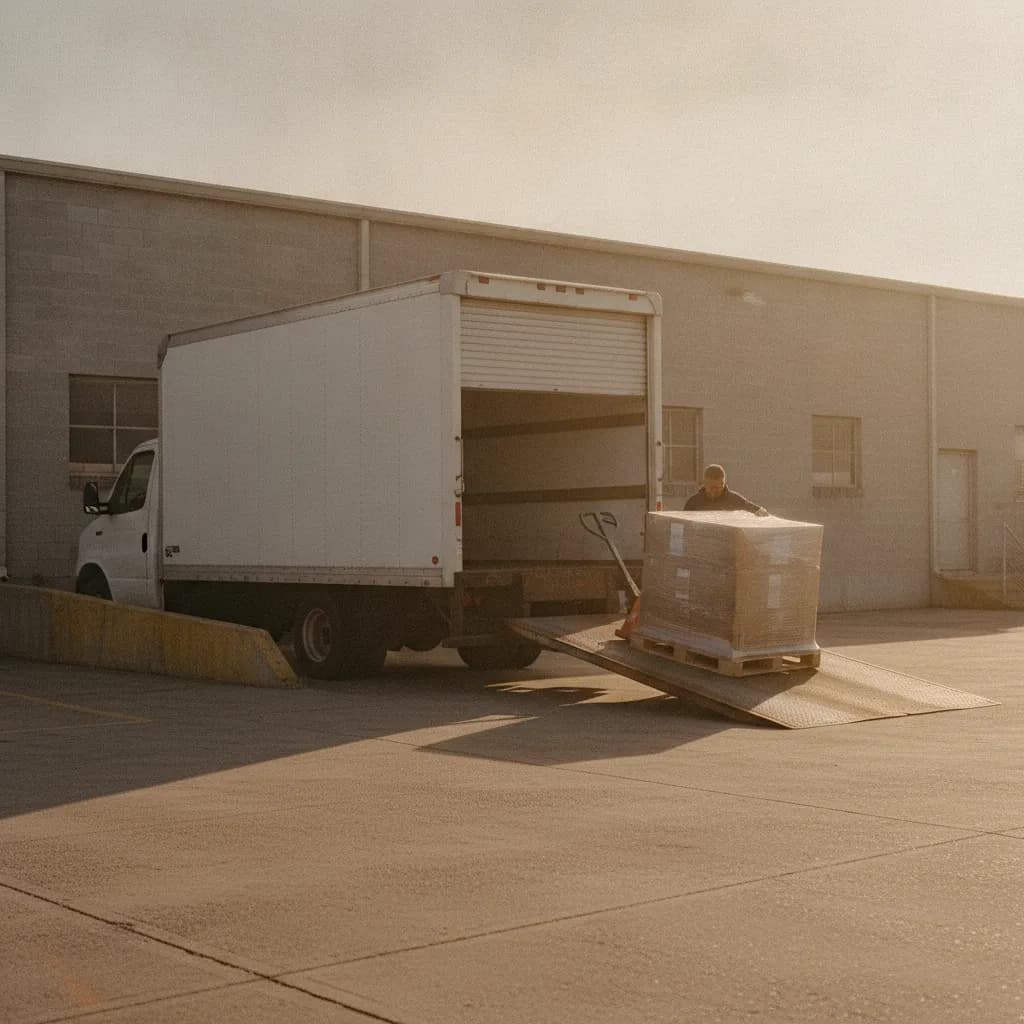
Direct store delivery means the product goes from you (or a DSD operator) to the individual store, and someone physically places it on the shelf. It skips the retailer's warehouse entirely.
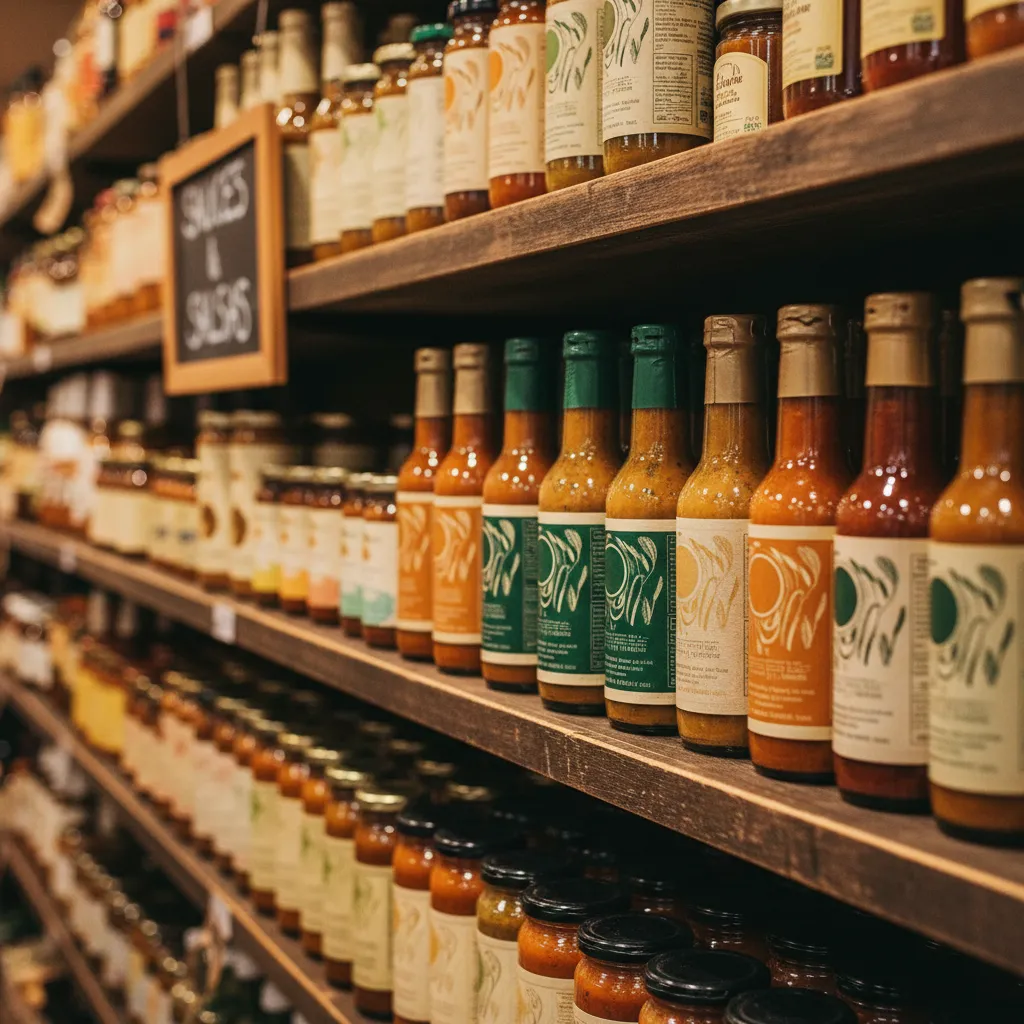
This is the model behind most bread, many beverages, a lot of snacks, and nearly all fresh refrigerated items. It shows up for sauce and condiment brands in two situations: early local retail, where you are personally driving cases to eight stores, and refrigerated or short-shelf-life products where warehouse distribution does not work well.
What DSD gives you that nothing else does: control of the shelf. You see your facings. You see whether you are out of stock. You fix it that day. You rotate stock, you place the shelf talker, you talk to the grocery manager who actually decides how much space you get. For an early brand, the information alone is worth the drive.
What it costs: labor and time per stop, which do not fall with volume the way warehouse economics do. DSD lives or dies on route density. Eight stores in one neighborhood is a viable morning. Eight stores across three counties is a full day that produces almost nothing. The model runs into a wall precisely when it is succeeding, because growth means more stores and more stores means more driving.
Where founders get stuck: they build a beautiful DSD business in one city, then discover it does not export. The relationships and labor that made it work locally do not travel, and the move to warehouse distribution is a genuine reset. Plan for it before you are forced into it.
The Fourth Option Nobody Names: Direct to Retailer
You can also sell direct. Independent grocers, specialty shops, butchers, farm stands, and small regional chains frequently buy direct from brands, pay you directly, and take delivery by freight or by your own vehicle.
This is often the best margin available to a small brand, because there is no broker commission and no distributor margin. It is also the most labor-intensive per dollar, and it does not scale past a certain point. For many brands the right answer for the first year or two is direct plus DSD locally, building the velocity story that makes the other two conversations possible later. That progression is the practical version of the path in farmers market to retail shelf.
The Math Nobody Runs Until It Is Too Late
Here is the part that matters more than any of the definitions. Every one of these participants gets paid out of the same shelf price.
Work backwards, not forwards. Start from what the product can realistically sell for on the shelf in your category. Subtract the retailer's margin requirement. Subtract the distributor margin. Subtract broker commission. Subtract freight, promotional allowances, and the deduction categories that come with distribution. What is left is your wholesale price, and it has to cover your cost per unit with something in it for you.
Founders almost always do this in the other direction: they take their cost, add a margin they like, and discover at the end that the resulting shelf price is double the category. By then the formula is fixed, the packaging is ordered, and the only lever left is cutting ingredient quality, which is the wrong lever. The full walkthrough of that stack is in unit economics for a shelf-stable sauce brand, and the cost-side levers that do not damage the product are in cutting COGS without touching flavor.
What I Actually Recommend, by Stage
No retail presence yet. Sell direct and deliver yourself. You are buying information, not scale: what price moves, what shelf position works, which accounts reorder.
A handful of local accounts reordering. Stay direct or DSD, densify the route, and record velocity per store per week. That number is the only currency that matters in every later conversation.
Real velocity, regional interest, a retailer asking for it. Now a distributor conversation makes sense, and now a broker might take your call. Go in with your landed cost model already built.
Being courted by a national chain. Get help. A category consultant or an experienced broker, plus someone who can read the supplier agreement, because the terms in those documents can consume a small brand.
The thing to hold onto through all of it: a broker sells, a distributor warehouses, DSD stocks the shelf, and none of the three makes a shopper pick up your jar. That part has never been available to rent.
Sources: UNFI, Suppliers · UNFI, New Supplier Inquiry · KeHE, Suppliers · KeHE, Work With KeHE · FDA, Food Labeling and Nutrition
Need Help With Your Formulation?
Whether you're scaling your first recipe or reformulating an existing product, let's talk about how to get it right.
Book a Free Discovery Call