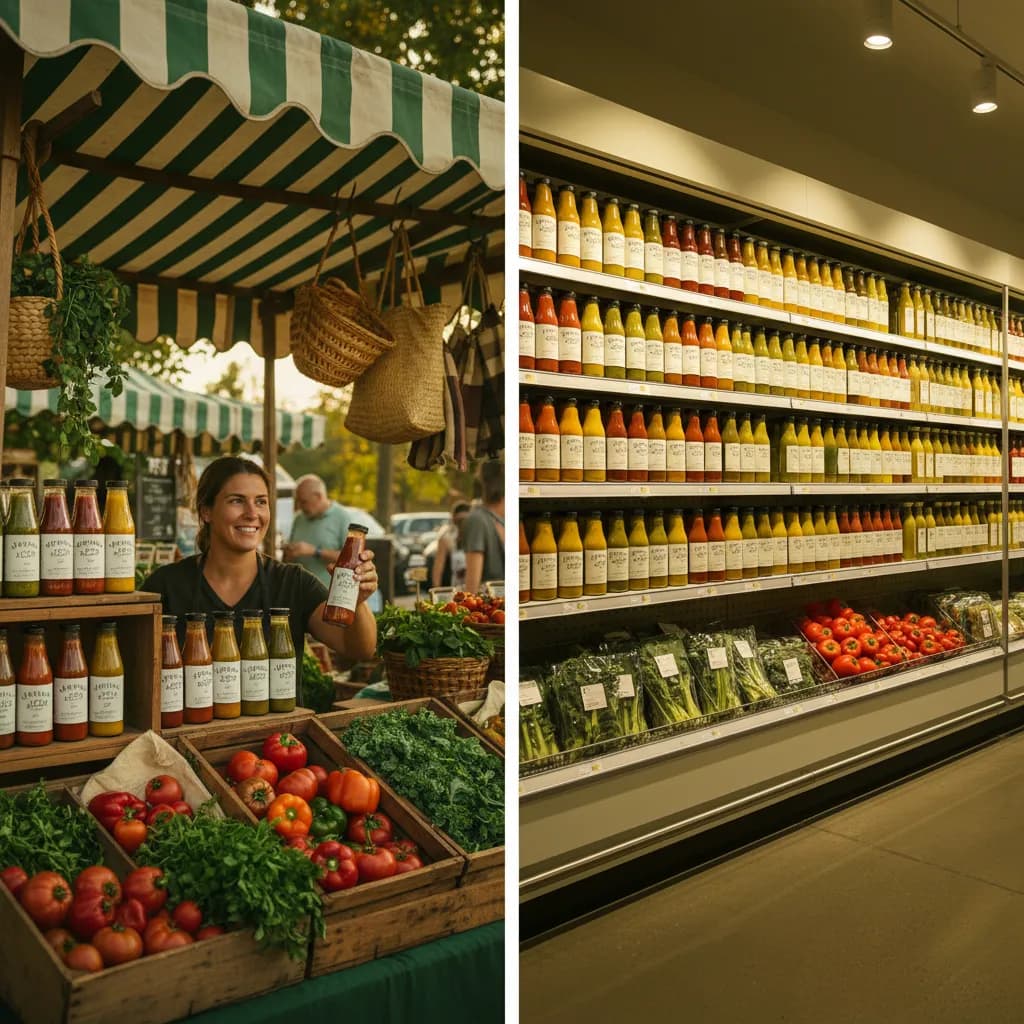
The Natural Channel Isn't a Single Buyer — It's a Standard
When founders talk about "getting into Whole Foods," they're usually thinking about distribution. What they're actually signing up for is a formulation standard. Whole Foods, Sprouts, Natural Grocers, Erewhon, and the smaller co-ops that feed into the same wholesale networks all maintain ingredient policies that are stricter than conventional grocery — sometimes meaningfully stricter than the brand might expect.
If you want to sell into the natural channel, your product has to meet those standards before you pitch. Reformulating after a buyer says no is a much harder road than reformulating in advance.
Unacceptable Ingredients Lists: The Starting Point
Most natural-channel retailers publish an unacceptable ingredients list — a document naming specific additives, preservatives, colors, and processing aids that aren't allowed in products sold in their stores. Whole Foods publishes the most influential version, which is updated periodically. Sprouts, Natural Grocers, and others maintain their own, often overlapping but with category-specific nuances.
Commonly excluded items across the natural channel include:
Synthetic preservatives: sodium benzoate in many applications, potassium sorbate in some categories, BHA, BHT, TBHQ, calcium propionate.
Artificial colors: FD&C colors broadly, though some categories allow specific natural-color alternatives.
Artificial sweeteners: aspartame, sucralose, acesulfame potassium, saccharin.
Hydrogenated oils: partially or fully hydrogenated, and some retailers extend this to interesterified fats.
Certain processing aids: some emulsifiers, specific preservatives, and synthetic flavor carriers. This is where buyers most often catch well-intentioned brands off guard.
These lists change. Check the current, published version before you formulate. For the deeper context on the whole clean-label landscape, see what clean label really means for CPG brands.
Beyond the List: What Buyers Actually Evaluate
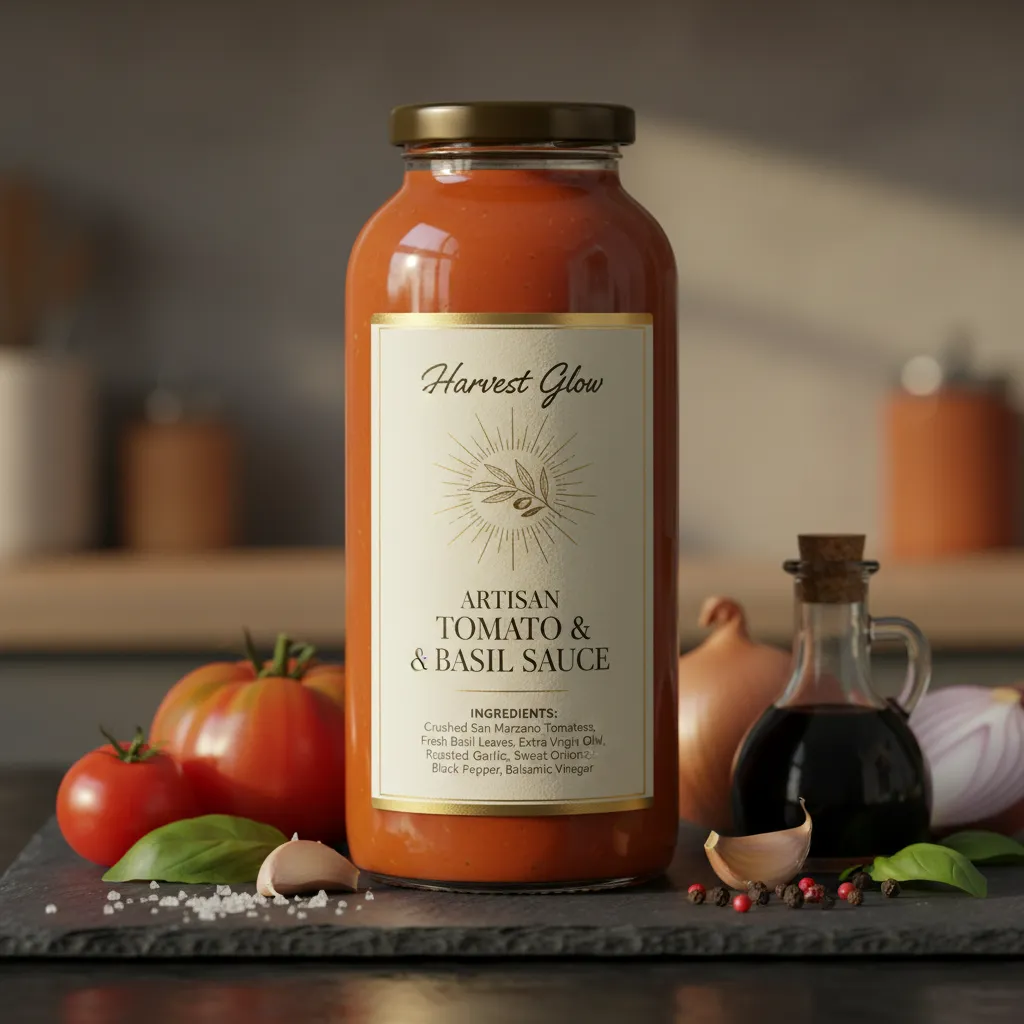
Ingredient deck length and readability
Even if every ingredient is technically compliant, a 35-item deck full of technical names signals complexity. Natural-channel buyers consistently favor shorter, more recognizable decks. This is a formulation design decision, not a cosmetic one — shorter decks often mean tighter process control.
Certifications
USDA Organic, Non-GMO Project Verified, Certified Gluten-Free, Kosher, and Fair Trade certifications each serve a specific audience. Not every product needs all of them. But understanding which certifications your category shoppers expect is part of the pitch.
Packaging sustainability
Natural-channel retailers increasingly weigh packaging choices — recyclable materials, reduced plastic, PCR content. This won't usually make or break a launch, but it moves the dial.
Pricing architecture
Natural-channel margin expectations differ by category and retailer. Buyers want to see your MSRP, wholesale, and distributor landed cost clearly laid out, along with promotional pricing plans. If your margin math doesn't work for the distributor in the middle (UNFI, KeHE, or a regional equivalent), the pitch dies before it starts.
Story and shelf differentiation
Your product still needs to earn its space. The buyer's question is: why does a shopper pick this over what's already on the shelf? Natural-channel shoppers are ingredient-literate and label-curious — they reward brands that tell a specific, credible story.
How Formulation Changes Between Conventional and Natural
If you're coming from a conventional-channel product or an original recipe that uses common shortcuts, expect meaningful reformulation. Common changes I see:
Swapping modified food starches for pectin, tapioca starch, or chia-seed-based thickening strategies — which requires rebalancing cook time, shear, and water activity.
Replacing synthetic preservatives with hurdle-based preservation: tighter pH, natural antioxidants like rosemary extract, or shorter shelf life with refrigerated distribution.
Replacing "natural flavors" with specific named ingredients — many buyers now distinguish between transparent flavor sourcing and opaque "natural flavors" callouts, even though both are technically allowed.
Reformulating emulsion systems for dressings and sauces that originally used synthetic stabilizers. See clean label dressings for the deeper story.
Timing Your Natural-Channel Pitch
A few practical realities that shape the buyer calendar:
Category reviews happen once or twice a year per category and retailer. Miss one and you're waiting six months.
Distributor onboarding (UNFI, KeHE) takes time separate from the retailer pitch and often involves its own fees and documentation.
Expo West, Fancy Food, and Expo East are where many buyer relationships begin, but a trade show conversation is a warm-up, not a deal.
Plan at least 9-12 months between "I want to be in Whole Foods" and actually being on shelf, not counting reformulation time.
Frequently Asked Questions
Do I have to be USDA Organic to be in Whole Foods?
No. Organic helps in some categories (especially produce-adjacent and baby food) but isn't a universal requirement. Many successful Whole Foods products aren't organic — they're just meticulously clean-label.
What's the difference between natural-channel and conventional-channel buyers?
Natural-channel buyers typically spend more time on ingredient decks, sourcing stories, and certification alignment. Conventional-channel buyers weigh velocity, price-point alignment, and promotional structure more heavily. Both are professionals doing their job well — they're just evaluating different things.
Can I sell through a broker or should I pitch direct?
Brokers can open doors, especially in regions where you don't have existing relationships. But a good broker has to believe in your product — they work on commission against a portfolio, and a misfit brand won't get the attention you need. Pitching direct is often better for first accounts; brokers come in when you're scaling across multiple regions.
What's the single most common reformulation needed?
Removing a synthetic preservative without losing shelf life. It's also the one founders most underestimate — it usually means rethinking pH, water activity, and sometimes packaging simultaneously.
Where This Turns Into Specific Work
Every natural-channel retailer has edge cases in their policy — current version, specific category nuances, and unwritten expectations their buyers hold. The framework above is the shared starting point. The specific mapping from your current recipe to a natural-channel-ready version is exactly the kind of work a recipe developer does inside an engagement. If you're sitting on a product you believe belongs in the natural channel and you're not sure what it has to change first, a discovery call is a good next step.
Need Help With Your Formulation?
Whether you're scaling your first recipe or reformulating an existing product, let's talk about how to get it right.
Book a Free Discovery Call