If Your Product Is Acidified, the FDA Has a Say
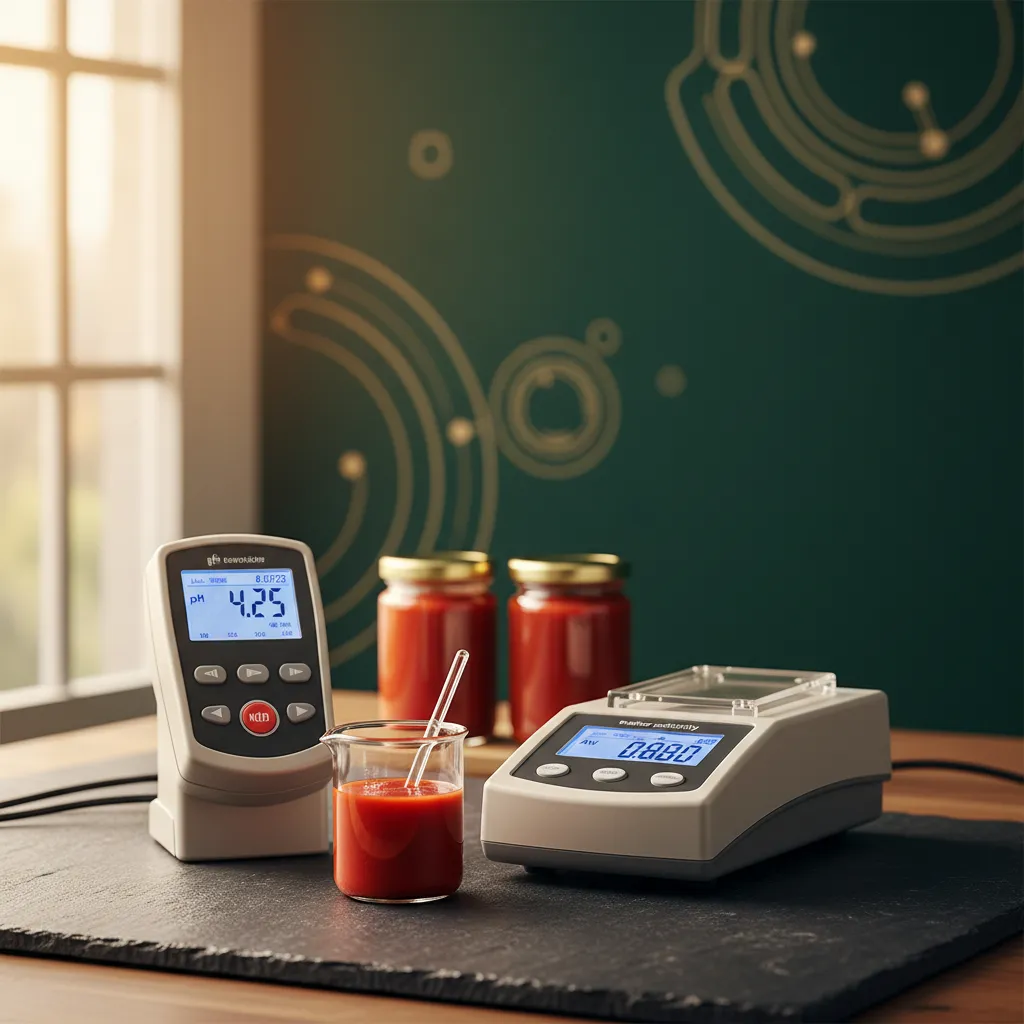
If you're producing a sauce, salsa, hot sauce, dressing, pickled vegetable, or similar product in the U.S. and the finished pH is at or below 4.6 because you added acid, your product almost certainly falls under the FDA's Acidified Foods regulation (21 CFR Part 114). This is not optional paperwork. It's a federal requirement that predates most of the brands you see on shelves.
The centerpiece of compliance is a scheduled process — a documented thermal process designed to ensure your product is consistently safe — plus a process authority letter from a credentialed expert certifying that the process you're using works.
Founders discover this in one of two ways: a co-packer asks for the letter before they'll schedule your first run, or a retailer or state inspector asks for it before they'll let your product ship. Either way, you don't want to discover it late.
What the Regulation Actually Says (In Plain Language)
21 CFR 114 applies to low-acid foods that have been acidified to a pH of 4.6 or lower. If your product is naturally acidic (a straight vinegar, a lemon-based dressing with no low-acid ingredients), you may fall outside the regulation — but this is exactly the kind of line where a qualified process authority is the right person to confirm your status, not a blog article.
If you're in scope, the regulation requires:
A scheduled process filed with the FDA (Form FDA 2541 and related forms). This describes your product, your packaging, and your thermal process.
Process authority review and sign-off. A credentialed individual or institution — typically a university extension program (like UC Davis, Cornell, Rutgers, or NC State) or a private process authority firm — reviews your formulation, pH data, fill temperature, hold time, and packaging to certify the process is adequate.
Better Process Control School (BPCS) certification for someone on your production team (which might be your co-packer). This is a multi-day training offered by several universities.
Batch records demonstrating that every production run actually followed the scheduled process — pH checks, fill temperatures, cool times, closure integrity.
How a Process Authority Letter Typically Comes Together
Step 1 — Assemble the product documentation
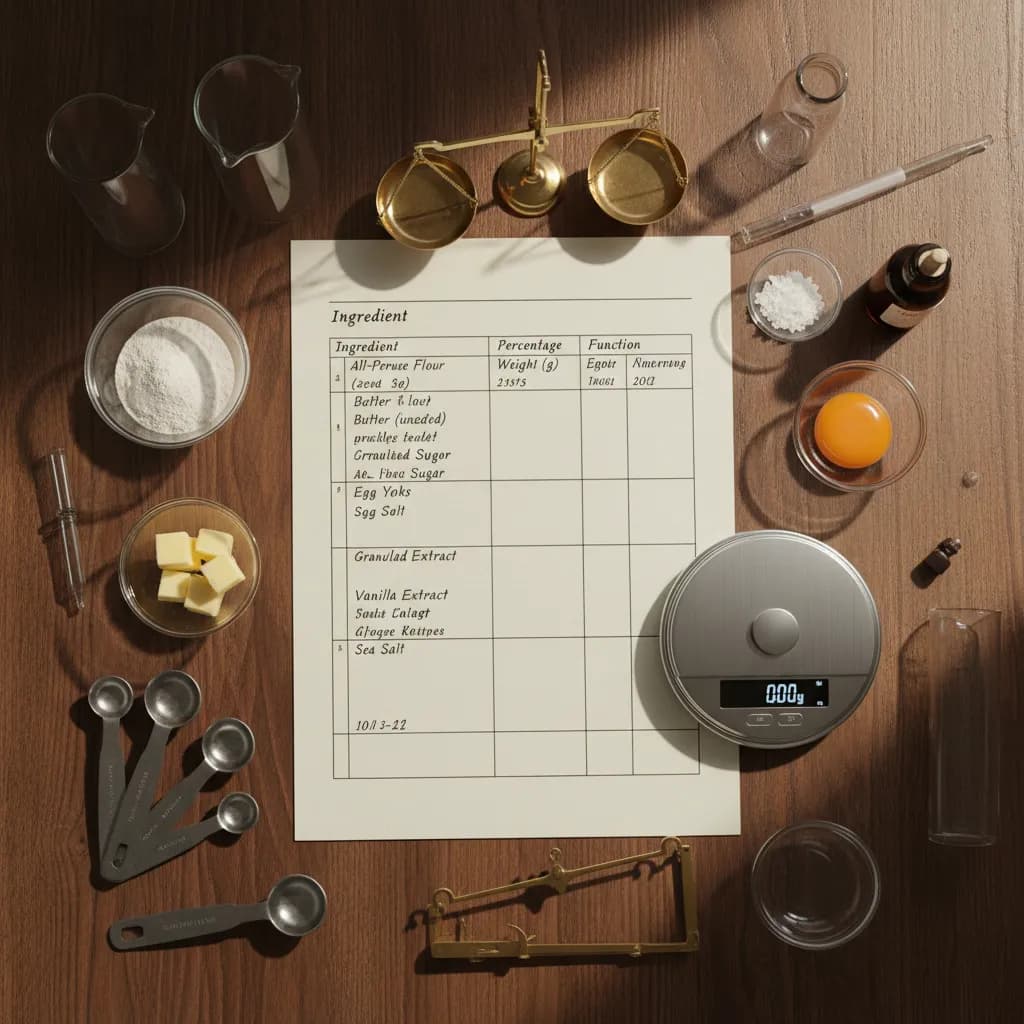
You'll need your finished-product formulation (by weight percentage), a description of your process (ingredient prep, cook times and temperatures, fill temperature, cooling protocol), your packaging specifications (container, closure, headspace), and initial pH and Aw data on multiple production lots.
Step 2 — Engage a process authority
University extension programs are a common, affordable starting point — their fees are typically in the low-to-mid four figures for a standard acidified product review. Private process authorities can be faster and sometimes more convenient for co-packer coordination. Your food product development consultant can usually recommend a short list based on your product category.
Step 3 — Data collection and review
The process authority will review your documentation, often request additional data (finished-product pH across multiple batches, sometimes equilibrium pH testing where a product takes time to reach steady acidity), and may ask for a challenge study in more complex cases.
Step 4 — The letter and filing
Once satisfied, the process authority issues a signed letter defining your scheduled process. You then file with the FDA — the exact forms depend on your product classification. Your co-packer typically needs a copy of the letter on file at the facility.
What This Typically Costs and Takes
For a straightforward acidified product (a clearly low-pH sauce with a standard hot-fill process), total cost is often in the $1,500-$6,000 range for the process authority review, depending on the provider and the complexity of your product. Add lab fees for pH and Aw testing if you don't have verified data already. Timeline is commonly 4-10 weeks from engagement to signed letter, though rush work is possible in some cases.
Products with unusual characteristics — chunky particulates, significant dairy, low-acid inclusions like meat or beans, or non-traditional packaging — can take longer and cost more, sometimes substantially. This is also the category most prone to surprises if you didn't loop in a process authority early.
Where Founders Get Into Trouble
Assuming "low pH" is enough. A pH reading that dips below 4.6 isn't the same as a validated scheduled process. Equilibrium pH, variability between batches, and ingredient-specific behavior all matter.
Using a kitchen recipe as a filing document. Scheduled process filings need weight-based percentages, measurable steps, and verifiable data — not "simmer until it looks right."
Skipping BPCS certification. If your co-packer doesn't already have a BPCS-certified operator on the line running your product, that's a compliance gap you own as the brand owner, even if you don't operate the facility.
Letting the letter go stale. If you reformulate, change ingredients, or change packaging, your scheduled process may need to be re-filed. A process authority letter is specific to the formulation and process it reviewed.
Related Reading
For the chemistry foundations, see water activity vs pH. For context on what a production-ready formula looks like, see what makes a recipe production-ready. And for how this fits into the co-packer relationship, see working with co-packers.
Frequently Asked Questions
Does my hot sauce need a process authority letter?
Almost always, yes — if it's shelf-stable and you're adding vinegar or another acid to drive pH below 4.6, you're producing an acidified food under FDA rules. A qualified process authority is the right person to confirm your specific status.
What if my product is refrigerated?
Refrigerated foods follow different rules, often managed under state or local health department jurisdiction rather than the acidified-foods regulation. This can actually simplify early-stage launches — but the rules vary by state, so confirm locally.
Can my co-packer's process authority letter cover my product?
No. A process authority letter is specific to a particular formulation, process, and packaging. Your co-packer may have letters on file for their in-house brands or other clients' products, but yours needs its own.
What happens if I ship without one?
You're operating out of compliance. Consequences range from retailer rejection or returns, to state-level seizure, to FDA enforcement action — up to and including recalls. Even if nothing happens for a while, this exposure is the kind of thing that surfaces at the worst possible moment (e.g., during retailer onboarding or due diligence from a potential acquirer).
A Note From Experience
Scheduled process work isn't exciting, but it's where a lot of founder anxiety secretly lives — most people know it matters and are nervous they're missing something. Getting it right early is almost always cheaper and faster than discovering gaps later. If you want help mapping out the right path for your specific product, a discovery call is a reasonable first step — but the process authority sign-off itself always needs to come from a credentialed specialist for your exact formulation.
Need Help With Your Formulation?
Whether you're scaling your first recipe or reformulating an existing product, let's talk about how to get it right.
Book a Free Discovery Call