Understanding the Co-Packer Relationship
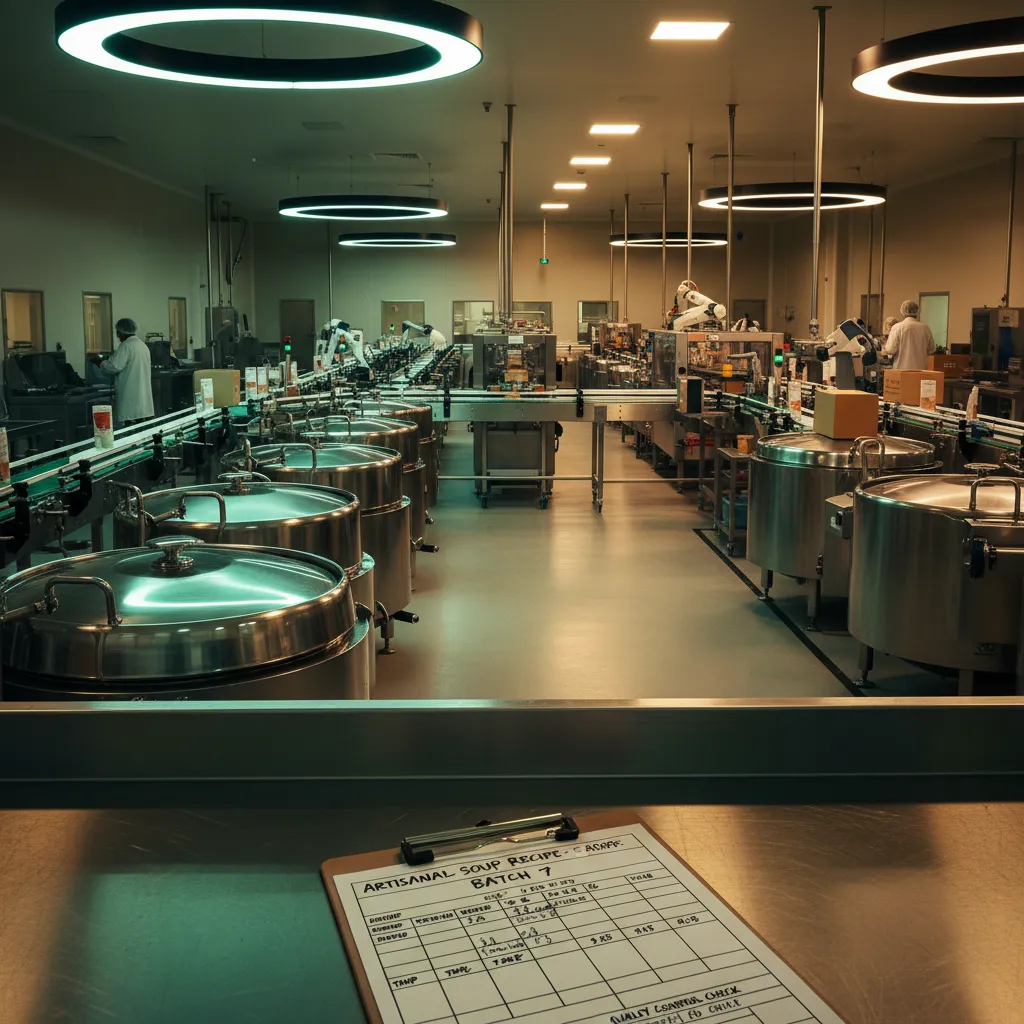
A co-packer (contract packager or contract manufacturer) is the facility that will actually produce your food product at scale. They own the kettles, the filling lines, the labeling equipment, and the food safety certifications. For most food entrepreneurs, partnering with a co-packer is the most capital-efficient path to market — building your own production facility requires $500K-$2M+ in equipment alone, plus the regulatory burden of running a food manufacturing operation.
But here's what most founders get wrong: they treat the co-packer relationship like hiring a contractor. "Here's my recipe, make it, put it in jars." That transactional mindset leads to product quality issues, miscommunication, and burned relationships. Your co-packer is a manufacturing partner, and how you structure that partnership determines whether your product comes out right — batch after batch, month after month.
I've worked with over 50 co-packing facilities across the country, placing client products into production. The difference between founders who thrive and those who struggle almost always comes down to preparation and communication, not the co-packer's capability.
How to Find the Right Co-Packer for Your Product
Match Your Product to Their Equipment
Not all co-packers are created equal. A facility that specializes in dry seasoning blends isn't equipped to produce a kettle-cooked barbecue sauce. You need to match your product's requirements to the facility's capabilities:
- Kettle type and size: Steam-jacketed kettles for sauces and soups, open kettles for jams and reductions, vacuum kettles for heat-sensitive products. The kettle's minimum and maximum batch sizes also matter — if their smallest kettle makes 300 gallons and you only need 50, you're either overpaying or looking at the wrong facility.
- Filling and packaging lines: Hot-fill for shelf-stable sauces, cold-fill for refrigerated dressings, aseptic for products that need extended shelf life without refrigeration. Does the facility have the right bottle/jar sizes for your packaging?
- Certifications: USDA, organic, kosher, gluten-free, SQF, BRC — your retail buyers will require specific certifications, and your co-packer needs to have them before you sign a contract, not after.
- Processing authority: For acidified foods (most sauces and condiments), your co-packer needs a scheduled process filed with the FDA. This is the documented manufacturing procedure that demonstrates your product is safe. If you bring your own process authority filing, the co-packer still needs to validate it on their specific equipment.
Evaluate Their Minimums and Pricing Structure
Co-packers typically have minimum order quantities (MOQs) ranging from 100 to 5,000 units per run. For a startup, finding a co-packer with low minimums is critical — you don't want to produce 10,000 bottles of a product that hasn't been market-tested at retail.
Pricing usually breaks down into: ingredient costs (you provide the formula, they source the ingredients), production fees (per-unit charge for labor, equipment, and overhead), packaging costs (bottles, caps, labels, cases), and storage fees (if they warehouse finished product). Get all of this in writing before your first run. Surprises on the invoice after production are relationship-killers.
Run a Trial Batch Before Committing
Any reputable co-packer will offer a trial or pilot production run before you commit to a full production contract. This is non-negotiable. The trial batch reveals whether their equipment produces a product that matches your quality standards. I've seen formulas that worked perfectly in pilot facilities produce noticeably different results on a co-packer's equipment due to differences in kettle geometry, mixing speed, or steam pressure.
During the trial, evaluate the finished product against your sensory benchmarks: flavor, texture, color, aroma, viscosity. Measure pH, Brix, and any other quality parameters from your specification. If the trial product doesn't match, work with the co-packer to adjust the process before committing to a full run.
What to Bring to Your Co-Packer
The number one complaint I hear from co-packers: "The customer showed up with a handwritten recipe and expected us to figure out the rest." This puts the co-packer in an impossible position and almost guarantees a subpar first production run.
Here's what you should bring to your first meeting with a co-packer:
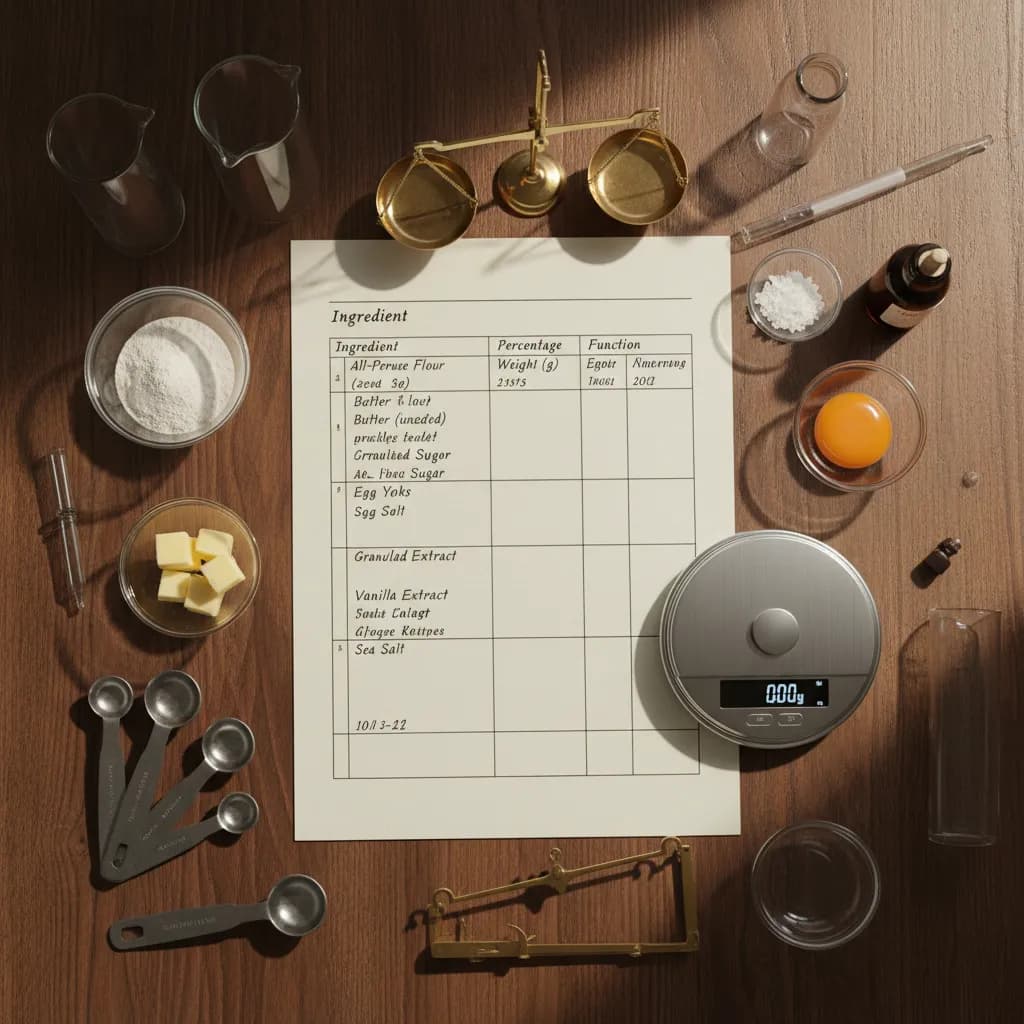
- Percentage-based formula: Every ingredient listed as a percentage of total batch weight, with specific ingredient specs (not just "vinegar" — what type, what grain strength?)
- Manufacturing procedure: Step-by-step processing instructions including temperatures, times, addition order, and mixing parameters
- Quality specifications: Target values and acceptable ranges for pH, Brix, viscosity, water activity, and any other relevant parameters
- Finished product sample: A benchmark sample from your pilot batches so the co-packer knows what they're aiming for
- Packaging specifications: Exact bottle/jar type, cap/lid type, label dimensions, case pack configuration
- Scheduled process filing: If your product is an acidified food, the process authority letter and filing documentation
If you don't have all of this ready, you're not ready for co-packing. Getting your recipe truly production-ready before approaching co-packers saves time, money, and frustration on both sides.
Common Co-Packer Relationship Problems and How to Prevent Them
"The product doesn't taste like mine"
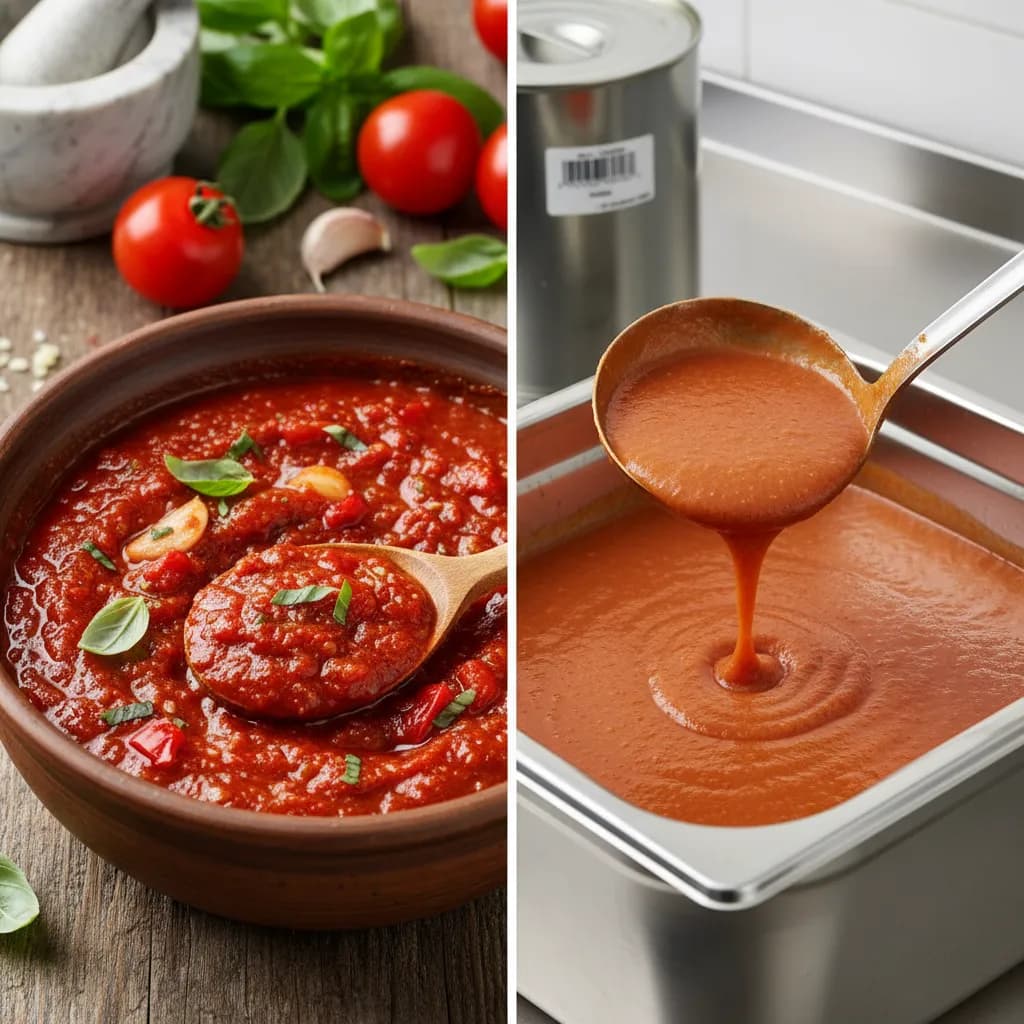
This is the most common complaint I hear from founders after their first co-packed production run. The sauce is thinner, or the flavor is flat, or the color is off. Nine times out of ten, the issue isn't the co-packer — it's that the recipe wasn't fully adapted for their specific equipment and ingredients.
Your kitchen Sriracha and a co-packer's Sriracha use different chili peppers, different vinegar suppliers, and different equipment. These differences compound. The solution is thorough pilot batching on the co-packer's actual equipment, not just handing over a formula and hoping for the best. I cover this in depth in my article on why your co-packer's version doesn't taste like yours.
Inconsistent batches
Batch-to-batch consistency depends on tight specifications and documented procedures. If your manufacturing procedure says "cook until thickened" instead of "cook at 195F with continuous agitation at 30 RPM for 45 minutes to a final Brix of 32 +/- 2," you're leaving consistency to the judgment of whichever operator is running the kettle that day. The more specific your documentation, the more consistent your product.
Hidden costs and scope creep
Get a comprehensive quote that covers every possible charge: setup fees, cleaning fees (especially if your product requires allergen-free or organic-certified equipment), label application, case packing, palletizing, short-run premiums, and storage. I've seen founders budget $3 per unit based on the production fee alone, only to discover their true all-in cost is $5.50 per unit once everything is added up.
Scheduling conflicts
Co-packers serve multiple clients. Your production run competes for kettle time with other brands. Book production 6-8 weeks in advance, especially during peak seasons (Q3-Q4 for sauces ahead of holiday retail). If you need reliable monthly production, discuss a recurring schedule and get it in your contract.
Negotiating Your Co-Packing Agreement
Your co-packing agreement should cover more than pricing. Key terms to negotiate:
- Intellectual property: Your formula is your IP. The agreement should explicitly state that the co-packer cannot use, share, or reproduce your formula for any other client. This seems obvious, but I've seen agreements that were silent on IP — and a co-packer who later produced a suspiciously similar product for a competitor.
- Quality hold and release: Define who has authority to release a batch for distribution. Ideally, you retain hold-and-release authority, meaning every batch requires your approval (or approval of lab results you've defined) before it ships.
- Liability and insurance: Who's responsible if a batch is contaminated or mislabeled? Make sure the co-packer carries adequate product liability insurance and that your agreement addresses liability allocation.
- Minimum commitments: Some co-packers require volume commitments. Understand what you're agreeing to and whether there are penalties for falling short.
- Termination terms: How do you exit the relationship if the quality consistently doesn't meet your standards? What happens to your raw ingredient inventory at the facility?
If you're scaling from farmers market to retail, understanding the co-packer relationship is essential. My guide to scaling kitchen recipes for commercial manufacturing covers the technical preparation side of this equation.
Building a Long-Term Partnership
The best co-packer relationships I've seen share a few traits: clear communication, mutual respect, and a founder who shows up prepared. Co-packers talk to each other, and your reputation as a client matters. Be organized. Pay on time. Don't blame the co-packer for problems caused by an under-developed recipe. And when things do go wrong — because they will, even with the best preparation — approach the problem collaboratively.
A co-packer who trusts you and values your business will prioritize your production runs, flag ingredient issues proactively, and suggest process improvements that save you money. That's the relationship you want, and it starts with the preparation you do before your first production run ever happens.
Frequently Asked Questions
How do I find co-packers that specialize in sauces and condiments?
Start with industry directories like the Association for Contract Packagers and Manufacturers (ACPM) and PartnerSlate. Filter for facilities with steam-jacketed kettles and hot-fill capability. Your state's food manufacturing extension program often maintains lists of local co-packers. Trade shows like the Natural Products Expo are also excellent for making co-packer connections. I recommend contacting at least 5-6 facilities before choosing — availability, MOQs, and pricing vary widely.
What's a typical minimum order quantity for a small sauce brand?
For kettle-cooked sauces and condiments, typical MOQs range from 200-1,000 units per SKU per production run. Some smaller co-packers will run as few as 100 units, though per-unit costs will be higher. The co-packer's minimum is usually driven by their smallest kettle size — they can't run a 50-gallon batch in a 500-gallon kettle efficiently. Expect to invest $2,000-$8,000 for your first production run depending on batch size and product complexity.
Should I provide my own ingredients or let the co-packer source them?
For most startups, letting the co-packer source ingredients is more practical. They have established supplier relationships, receive better pricing at volume, and can manage inventory logistics. However, if you use proprietary or specialty ingredients (a specific single-origin pepper, a custom spice blend), you may need to supply those directly. Specify exact ingredient specs in your formula documentation — brand, grade, and supplier — so the co-packer sources the right products even if they're using their own suppliers.
What certifications should I look for in a co-packer?
At minimum, your co-packer needs to be FDA-registered and compliant with current Good Manufacturing Practices (cGMP). Beyond that, the certifications you need depend on your sales channels. Retail buyers like Whole Foods require SQF or BRC certification. Organic products need USDA Organic certification at the facility level. Kosher and gluten-free certifications open additional market segments. Ask potential retail buyers what they require before selecting a co-packer, so you don't have to switch facilities later.
How far in advance should I book production time?
Book at least 6-8 weeks ahead, and longer during Q3-Q4 when many sauce brands ramp up for holiday retail season. Once you have a consistent production cadence, negotiate a recurring slot — say, the second week of every month. This predictability helps both you and the co-packer plan labor, ingredient sourcing, and packaging inventory. Last-minute production requests either get denied or come with rush premiums that eat into your margins.
Need Help With Your Formulation?
Whether you're scaling your first recipe or reformulating an existing product, let's talk about how to get it right.
Book a Free Discovery Call