The Failure Mode No One Plans For
Most CPG founders spend months on the recipe and the label, then choose packaging based on what looks good on a shelf. That's understandable — and it's also where some of the most expensive, late-stage surprises live. Packaging that fails between your co-packer and the retailer's shelf is one of the most damaging risks in CPG, both financially and reputationally.
This is a tour of the failure modes I've watched founders hit, with the practical lessons attached.
Glass Breakage: The Visible One
Glass jars are the iconic specialty-food container — and they're heavy, breakable, and freight-temperamental. The failure mode is rarely a single jar; it's a percentage of every shipment.
Where glass breaks
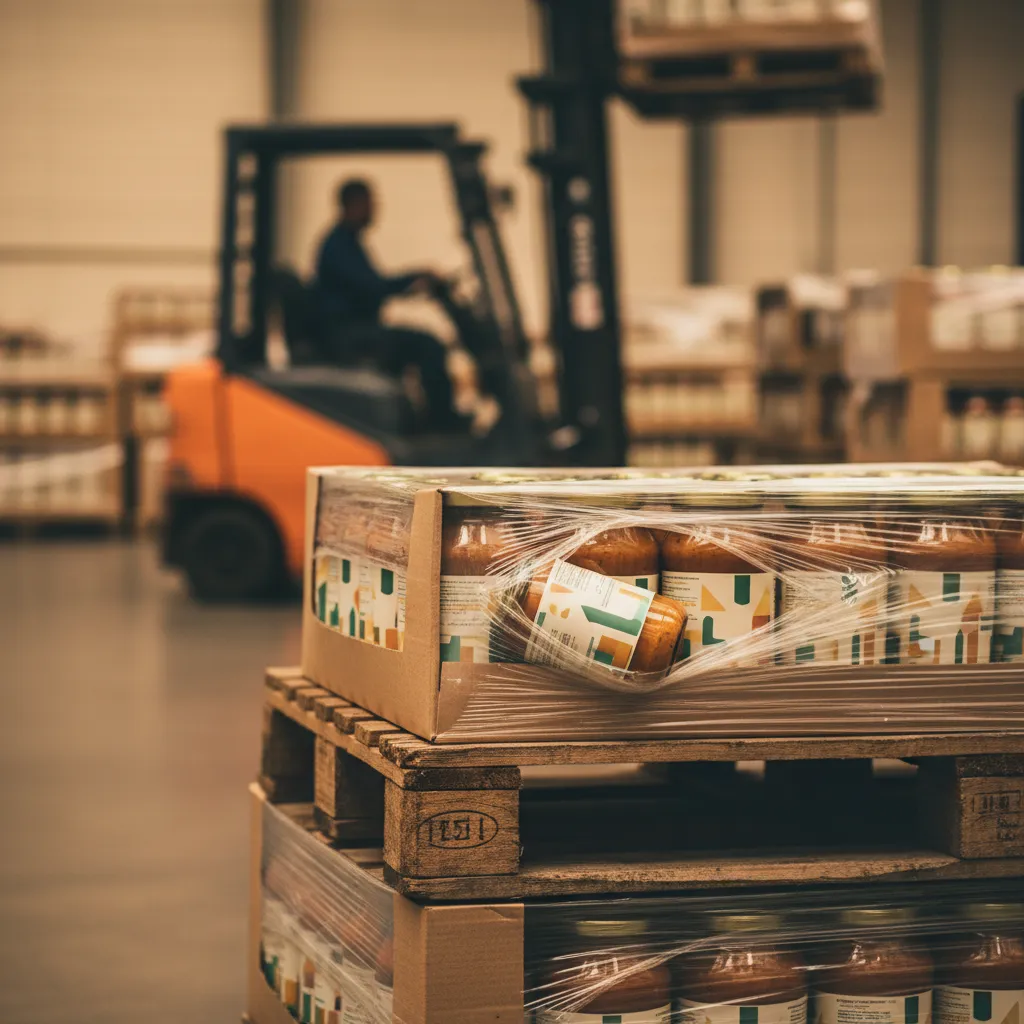
Vibration during truck transport, drop impacts during pallet transfer, thermal shock between cold storage and warm receiving docks, and stacking pressure when pallets are loaded too high. Most glass breakage is invisible until a case is opened — which means receiving teams find it, not you.
What helps
Heavier-walled glass for a small per-unit cost increase, well-designed inner partition cartons (rather than bulk-pack cases), shrink-wrap on pallets, careful pallet-height limits, and freight carriers experienced with food shipments. ISTA testing protocols (industry-standard packaging stress tests) can validate a packaging spec before mass production.
Closure and Seal Failures
Closures fail in subtle ways. A loose torque applied at filling can let a jar leak slowly over weeks. An incorrectly seated cap can hold pressure but lose vacuum, eliminating the safety hold-down that signals shelf stability. A mismatched gasket material can react with an acidic product over time.
Common patterns
Insufficient torque on hot-filled product means missing or weak vacuum after cooling — sometimes an entire production run. Incompatible cap liners can absorb solvent components from your product, leak flavors, or fail mechanically. Tamper-evident bands that don't seat correctly create returns and complaints.
What helps
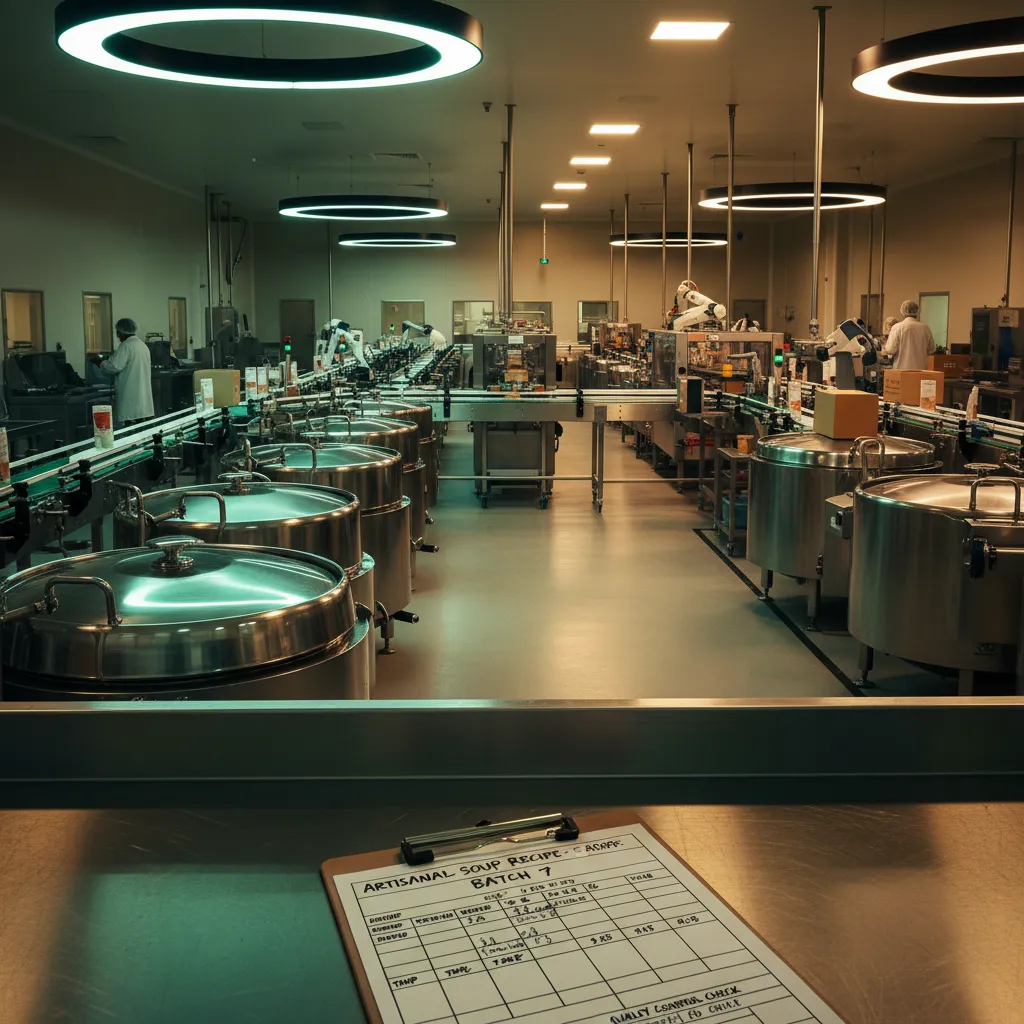
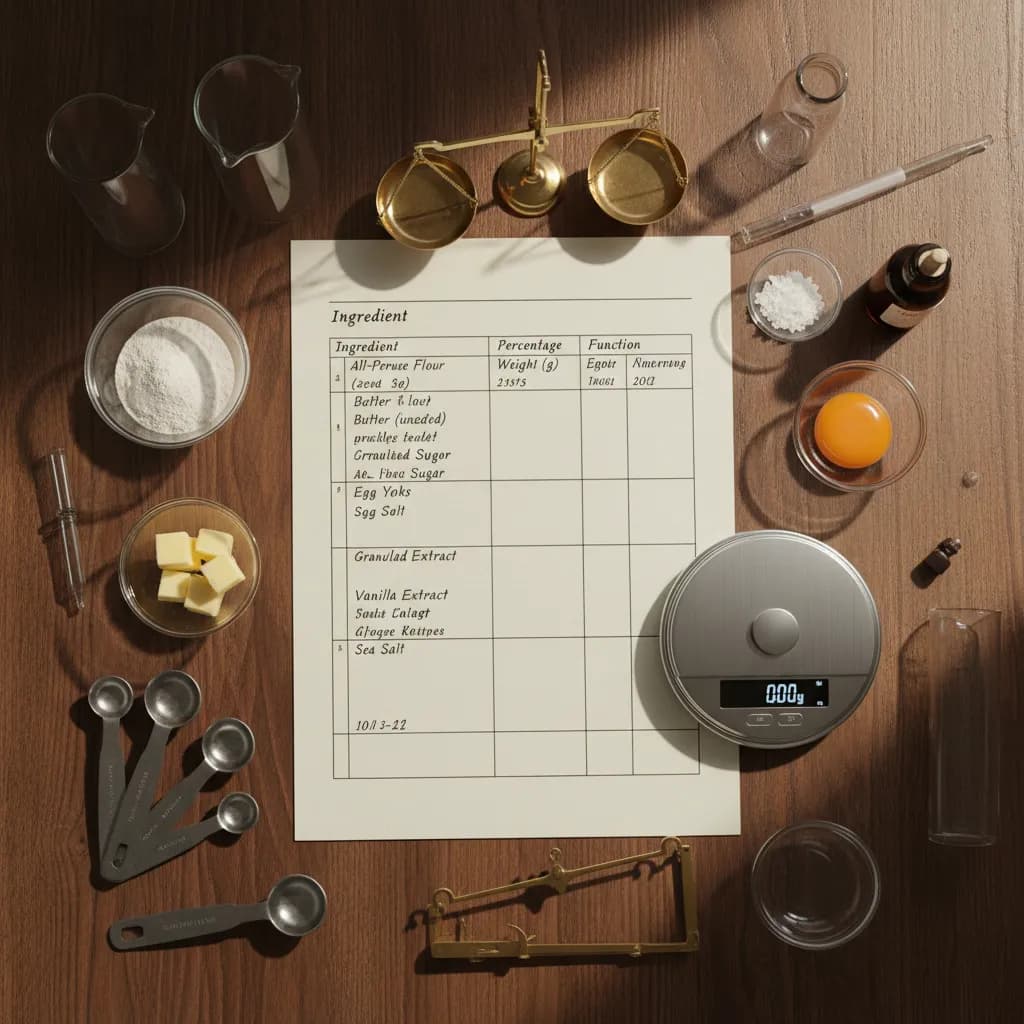
Closure validation as part of co-packer setup, not as an afterthought. Torque verification on a sample of every production run. Liner material confirmation against your product's pH, oil content, and aromatic intensity. For more on the production-side documentation that prevents this, see what makes a recipe production-ready.
Label Failures
Labels are easy to underestimate. They also fall off, smear, fade, or wrinkle in ways that make finished product unsellable.
Common failure modes
Wet-pack adhesive failure (label slides off after refrigerated storage). UV fading on store shelves. Wrinkling from container deformation under pressure. Smudge or scratch damage during freight. Print misregistration that goes unnoticed until a buyer rejects a case.
What helps
Choosing label substrates and adhesives appropriate for your product's conditions (refrigerated, hot-filled, oily contact). Print-quality QC on a sample from every print run. Sufficient lead time to catch issues before they're applied to thousands of units.
Pallet, Case, and Shipper Failures
The product survives. The case opens. Or the pallet collapses. Or the shipper crushes during distribution-center handling.
Case construction matters: edge-crush test rating, board weight, partition design, taping pattern. Shipper design has to account for not just initial freight but warehouse stacking, pallet rebuilds, and the rough handling of last-mile delivery — especially for DTC orders.
Channel-Specific Stress Patterns
Grocery distribution: Predictable pallet-to-shelf flow. Damage rates can be managed if packaging is well-designed.
DTC e-commerce: Brutal. Single-unit shippers go through automated sortation, conveyor drops, vehicle compartments, and porch handoffs. Glass jars in particular need engineered protection — not "wrapped in bubble wrap and called good."
Foodservice: Larger format, often plastic gallon containers, different damage profile but similar discipline required.
If your launch is multi-channel, you may need different packaging configurations per channel.
Stress Testing Before You Need It
The pre-launch step most founders skip: simulated transit testing. ISTA (International Safe Transit Association) protocols exist for exactly this — vibration, drop, compression, and atmospheric tests that mimic real distribution stress. Third-party packaging labs offer these tests at moderate cost ($1,500-$5,000 depending on scope) and can identify failure modes before you ship 10,000 units.
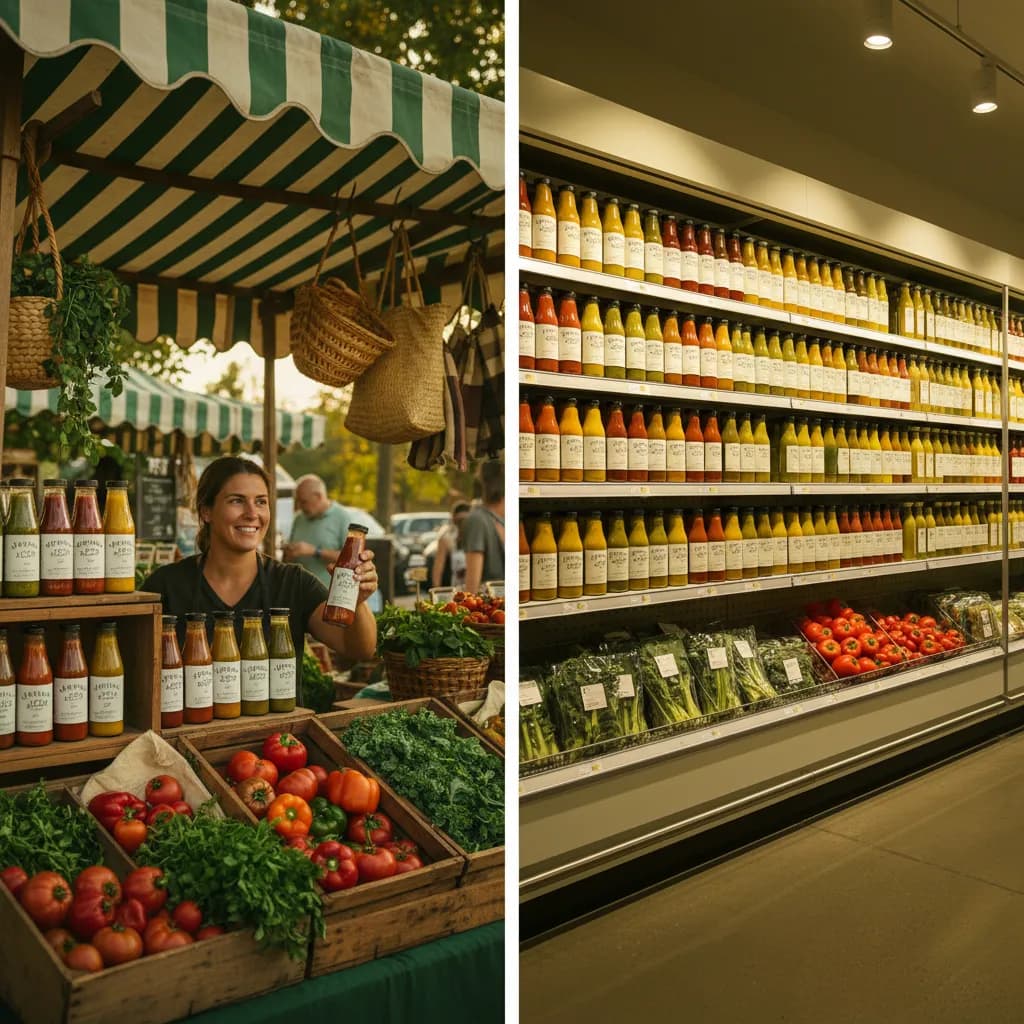
For a related strategic context, see farmers market to retail shelf and working with co-packers.
Common Mistakes
Choosing packaging by appearance only. Beautiful glass and a custom closure can be a freight nightmare.
Skipping ISTA-style validation. Cheaper than discovering damage rates in production.
Ignoring temperature exposure. Trucks heat up. Warehouses freeze. Packaging that holds at lab temperature can fail at 105°F in a Phoenix distribution center.
Not tracking damage rates. If you don't measure damage, you can't improve it. Ask retailers and distributors for their damage rate on your shipments.
Treating packaging as a one-time decision. Packaging specs evolve as you grow. The right packaging for a 1,000-unit launch may not be right for a 50,000-unit national rollout.
Frequently Asked Questions
What's a "normal" damage rate?
It varies by category and channel, but for glass-packed shelf-stable food in grocery distribution, well-designed packaging often runs in the low single-digit percent range. DTC can be much higher unless specifically engineered. If your damage rate is climbing or much above category norms, you have a problem.
Should I switch from glass to plastic?
Depends on brand positioning, product characteristics (some products taste different in plastic over time), and channel. Some clean-label brands stick with glass for the brand story; others use plastic for shipping resilience. Both are valid; both have trade-offs.
Who's responsible when product breaks in transit?
Depends on your shipping terms (FOB origin vs. FOB destination), your freight carrier's contract, and your insurance. Many founders discover their freight insurance doesn't cover what they assumed. Worth reviewing.
Can my co-packer recommend packaging?
Most can recommend formats that fit their lines. They're less likely to optimize for distribution durability — that's your job. A packaging engineer or experienced consultant can help close that gap.
A Closing Note
Packaging is one of those categories where a small upfront investment in stress testing and design review prevents very large back-end losses. If you're staring at a packaging decision and not confident the choice will survive distribution, a discovery call is a reasonable place to start the conversation — and a packaging engineer or accredited testing lab is the right partner for the validation work itself.
Need Help With Your Formulation?
Whether you're scaling your first recipe or reformulating an existing product, let's talk about how to get it right.
Book a Free Discovery Call