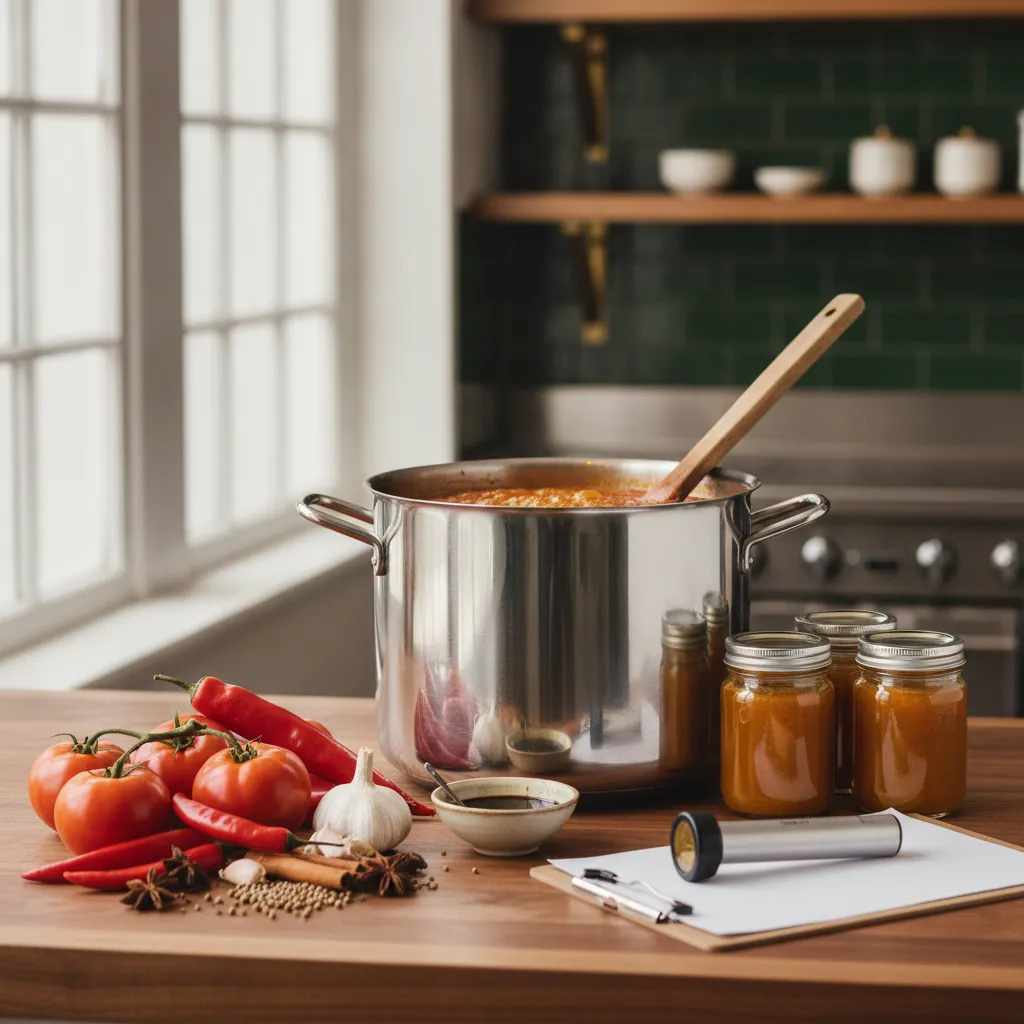
Your co-packer can't run the new product, or you need a second plant alongside the one you have. Either way, before you start calling around, sit down with the formula. A handful of things in it tell you which plants can make the product at all: how it's kept shelf-stable and how it's filled, the container, the pieces in it, the size of the first run, and the allergens and stored ingredients it brings with it. Once you know those, you can search by how the product is made instead of what it's called, which sends more of your calls to plants whose equipment can actually run it.
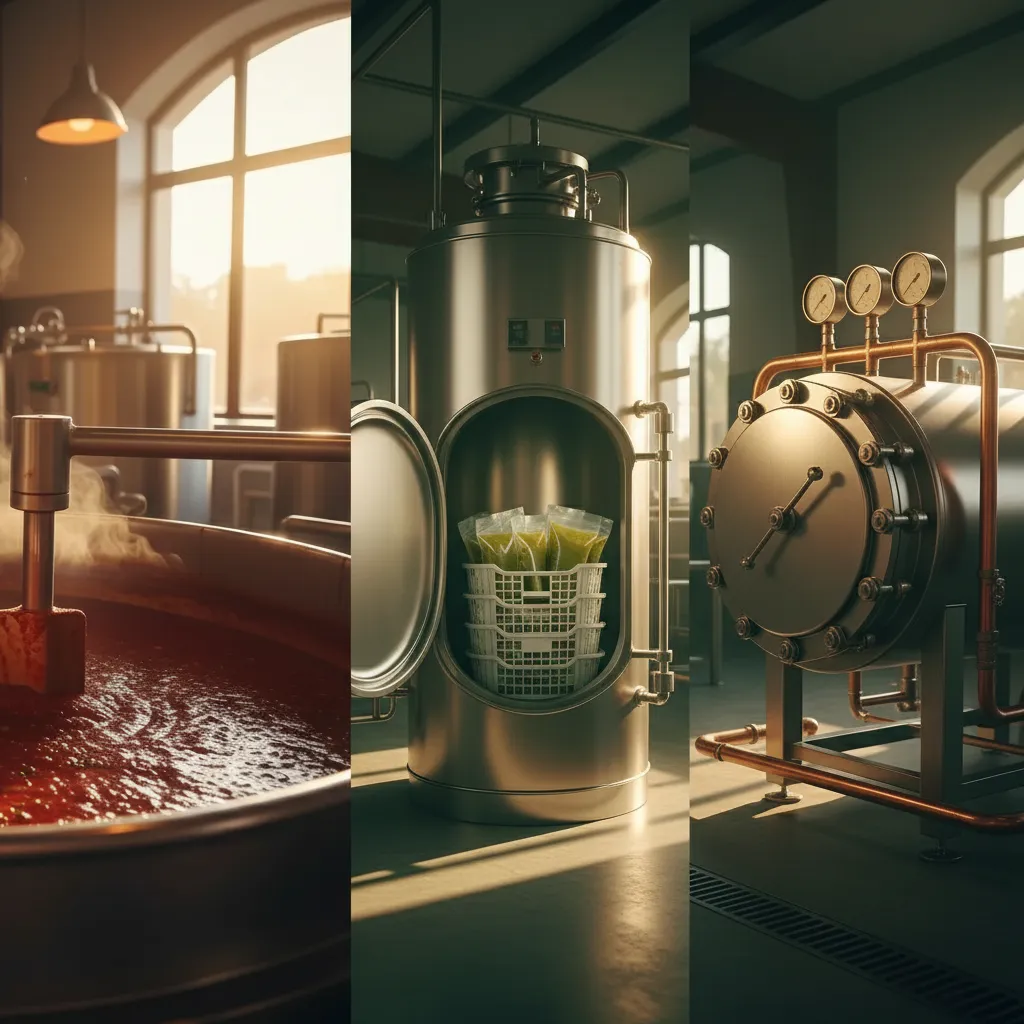
A plant you're happy with can still be the wrong one for the next product. Yours may cook and hot fill sauces all day, while your new dressing has to be filled cold. Your new salsa may be full of chunks their filler can't pass. Your first soup may turn out to be a low-acid product that needs a retort, a pressure vessel where the product is sealed in its can, jar or pouch first and then cooked.
Turning a sauce into a dressing or a dip changes the formula itself, and the plant may have to change with it, which is the part I'm looking at here. I write formulas and process notes, and I don't choose plants for brands, so what I can show you is what in a formula points to one kind of plant over another.
Why "Sauce Co-Packer" Is a Poor Search for Your Next Product
"I have a sauce and I need a co-packer" is a fair way to start looking for a first plant. By your second or third product, the word "sauce" tells you very little. It covers a plant that fills thin hot sauce into narrow-neck bottles, and also a plant that cooks chunky pasta sauce in big steam kettles and fills wide-mouth glass jars. Both make sauce. They may share almost no equipment.
Plants are built around processes and packages, such as a hot-fill line or a filler that can pass whole pieces, and that's what a plant asks about first when you call. Your current plant's line is most likely set up for one kind of fill or one kind of package, and the new product needs another.
The Details in Your Formula That Decide the Plant
If you asked me what kind of plant a product needs, these are the parts of the formula and its spec I'd read first.
| In your formula | What it asks of the plant | Search or ask for |
|---|---|---|
| How it is kept shelf-stable | A matching process | Hot fill, cold fill or retort |
| Container and lid | A filler and capper for that package | The package |
| Pieces, by size and amount | Fillers and pumps that keep them whole | Plants that run chunky products |
| An oil emulsion | Mixing strong enough to hold it | Dressings and emulsions |
| First run, per flavor | Kettles and a minimum run that fit | Batch size in gallons or pounds |
| Allergens | Runs them already, or agrees to | Allergens on site |
| Pallet or frozen ingredients | Room to store them | Ask on an early call |
| Claims such as organic | Its own certification | That certification |
The first two rows rule most plants in or out. The rest sort the plants that are left, and a couple of them, storage space especially, you'll only find out about by talking to the plant.
Start With the Acid and the Fill
This one sorts plants faster than anything else on the list.
Many shelf-stable sauces, salsas and dressings are acidified foods: acid is added to low-acid ingredients such as peppers or beans, and the finished acidity, measured as pH, is part of what keeps them safe at room temperature. A process authority is the qualified expert who reviews a product's formula and process and sets how it has to be made to be safe. In my experience, most process authorities and co-packers want the finished pH of these products to top out somewhere between 4.0 and 4.3, which leaves room for the pH to move after filling.
Next, the formula and its process notes tell you how the product gets filled. A kettle-cooked sauce is usually filled into the jar hot and capped, and the heat of the fill is part of the process. Some products are designed to skip that heat. A dressing whose emulsion would thin, or whose fresh notes would cook off, may be built to be filled cold, which takes a different line and a different safety basis, worked out with the process authority. If your plant only hot fills, that dressing goes somewhere else.
Then there is the bigger split. Some products can't reach a pH that low and still taste like themselves. Push a bean soup or a cheese dip that far toward sour and it stops being the product you set out to make. Products like these are often low-acid foods, and a shelf-stable low-acid product usually needs a very different process, most often a retort, which fewer plants run.
Whether your product is acidified or low-acid is the process authority's call, made with the plant's food safety team, so have that conversation early. The answer tells you whether you're looking for a plant that runs acidified foods or one with a retort.
In the formula, look at the finished pH target, the acid ingredients, how much of the batch is low-acid ingredients such as beans or dairy, and the process notes for the cook and the fill.
The Container, the Pieces and Any Emulsion
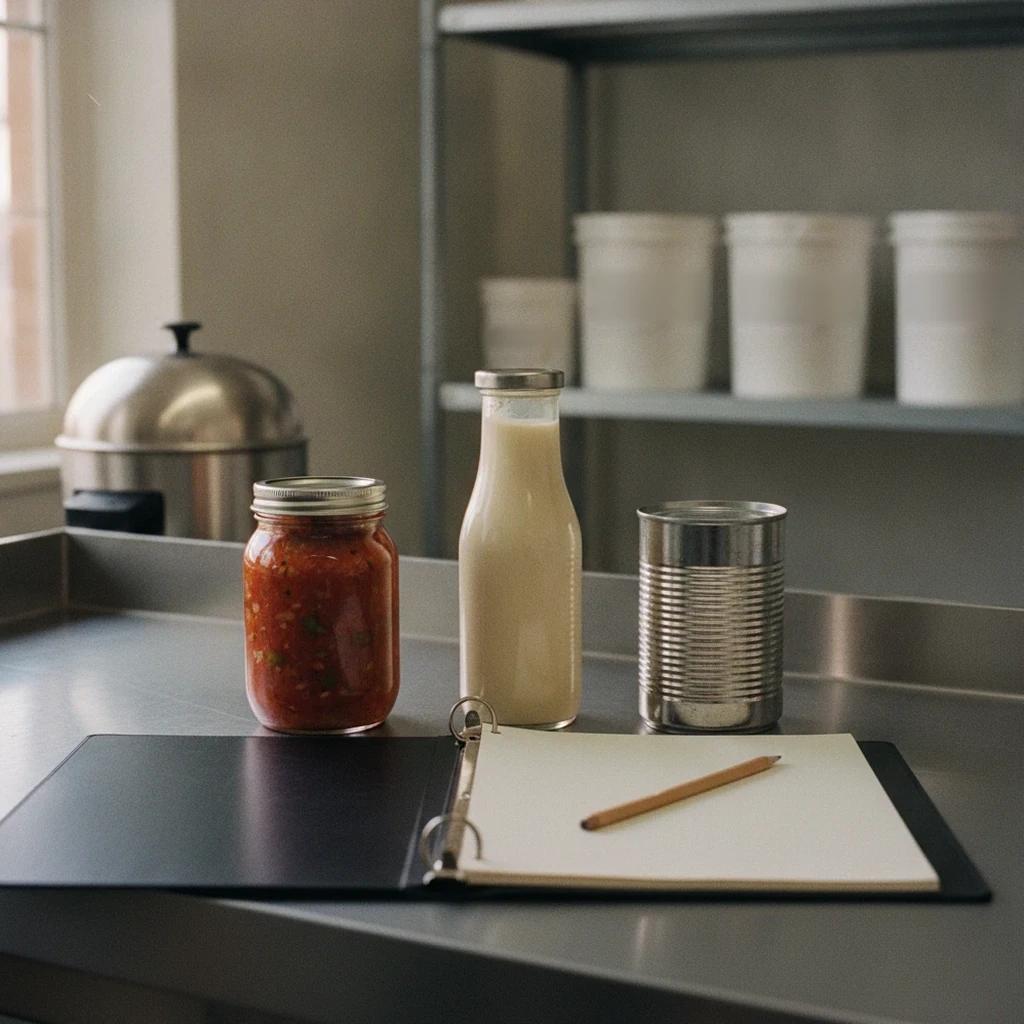
A plant's filler and capper are set up for certain packages. A line that fills glass jars with lug caps (twist-off metal lids) may have nothing that can fill a squeeze bottle or a stand-up pouch, and a container that goes through a hot fill has to be made to take the heat. Change the container and the process authority may need to look at the process again, because the old review was done for the old package.
Say your next product is a salsa with a coarse dice of tomato, onion and roasted pepper that you want customers to see through the glass. A filler built for smooth sauces can clog on those pieces or chop them up, and a pump that moves a smooth sauce happily can shred a dice on its way to the filler. Plants that run chunky products tend to have fillers and pumps chosen to move pieces gently. They will ask how big the pieces are and how much of the jar they make up, and your spec should answer both in numbers. The process authority will want the cut size too, because a large piece takes longer to heat through and to come into balance with the acid around it.
An emulsion is oil held as tiny droplets through a water-based liquid, which is how a creamy dressing or an aioli is built. One that holds for the whole shelf life usually takes mixing equipment strong enough to make those droplets very fine, such as a high-shear mixer or a homogenizer, and a plant that cooks sauces in kettles may not have either.
Run Size, Allergens and the Pallet Somebody Has to Store
Your formula is written as a batch by weight. Scale it to the first run you can actually sell, flavor by flavor, and put that in the units plants quote, usually gallons or pounds. Say your launch is 400 cases of one dressing, twelve 16-fluid-ounce bottles to a case. That's 4,800 bottles, or 600 gallons before fill loss. A small kettle plant could make that in a few batches. A large plant may not schedule a run that small at all. If you're launching three flavors, check whether the plant's minimum applies to each formula, because it often does. If you're adding a second plant for capacity, turn that around and ask whether it can take the volume your first plant can't.
Then read the ingredient list for the major allergens the new product brings. A creamy dressing may bring egg. A tahini sauce brings sesame. If none of your current products contains that allergen, the plant you need either runs it already or would have to bring it into the building. Some plants won't add a new allergen for one product, which is a fair decision when other brands' labels depend on keeping it out. And if your brand promises its products are free of an allergen, ask which allergens a plant runs before you ask it anything else.
Now look for the ingredients nobody else at the plant buys: a particular chile mash, a fruit puree that has to stay frozen, egg yolk from pasture-raised hens because your brand promises it. Suppliers often sell those by the pallet when your first batches need a few pounds. Work out with the vendor and the plant who stores that pallet, whether the plant has the room and the frozen or chilled space it needs, and whether the ingredient's own shelf life outlasts the time it takes to use it all. Those answers rarely appear on a plant's listing, so they belong on an early call.
If the new product will carry an organic claim, the plant that makes it usually has to be certified organic itself. If your retailers expect Non-GMO verification, or your brand's values rule out certain ingredients, that limits the suppliers you can use and sometimes the plants.
Write It on One Page Before You Call Anyone
Put what you found on one page, in plain words. For the chunky salsa above, it might read: shelf-stable and acidified, kettle-cooked and hot filled; 16-ounce glass jars with lug caps; diced vegetables cut to a stated size, making up a stated share of the jar; first run about 300 gallons per flavor, two flavors; no major allergens; one specialty chile that ships frozen by the pallet; certified organic.
Hot filled, 16-ounce glass, a coarse dice, 300 gallons a flavor. From that one line, a plant can usually tell you on the first call whether your salsa will run on its equipment.
That page is your list of search terms. It's also a sensible first thing to send a plant, because it says how the product has to be made without giving away the recipe. My rule is to hold the full formula by weight until you are close to signing, with a non-disclosure agreement (NDA) in place, because even a trial run can teach a plant the process you paid to develop.
Where to Look
Use those same words when you ask people for names. The supplier of your key ingredient ships to plants, so ask which of those plants run a hot-filled chunky salsa, not which ones make salsa. Ask your process authority whether they know plants that run products like yours. At a trade show, hand the page to the people at a plant's booth instead of describing the product out loud, and if you belong to a trade association, ask its members the same question you asked your supplier.
Directories that sort plants by process are worth searching too, and I should tell you that Co-Packer Match is our sister company. It's a directory of U.S. co-packers that leaves the plant names off: each plant shows up as its state and a code, and you can browse them by process (hot fill, cold fill, retort and others). If you fill out the spec sheet there, an email comes back listing up to five plants that fit, along with how to get in touch with each. Price and minimums are up to each plant.
Once you have names, building a shortlist and checking each plant out is the same job wherever the names came from.
A New Plant Can Mean Adjusting the Thickener
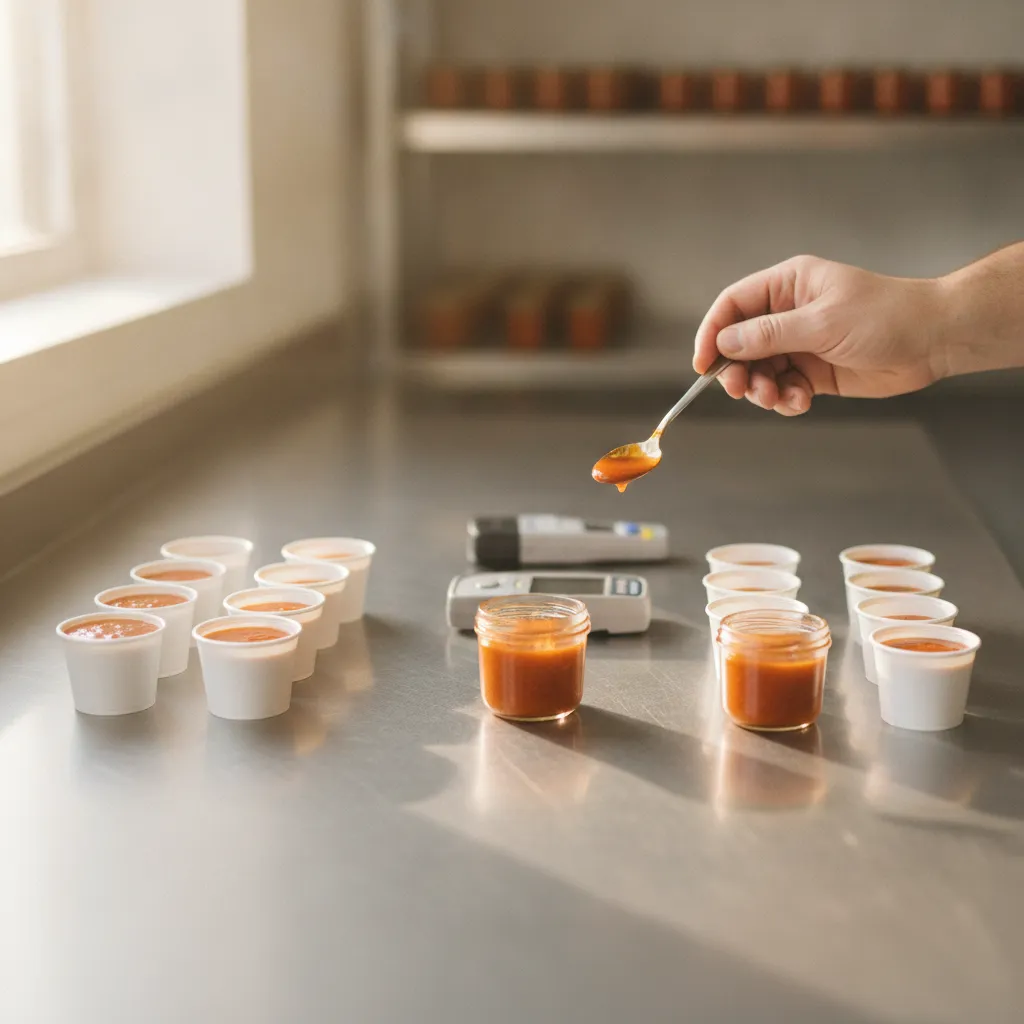
Even a plant whose process matches is going to run your formula a little differently from your last one, and the thickener is the first place I look. I choose starches and gums for the product's pH and for the temperature, shear (the mixing and pumping force) and hold time of the equipment that will run it, so the texture survives the process and still holds on the shelf. On a line with a longer hot hold or harder-working pumps, the same formula can come off thinner, or look fine at fill and weep weeks later, so it may need adjusting for the new line. The trial batch on its equipment shows how much, once it has settled for about two weeks and been tasted against your gold standard, the reference jar of the product as it should be.
The process review moves with the product as well. A new product at a new plant normally needs its own process authority review. Sometimes the plant arranges that review and sometimes it asks the brand to, so find out which on an early call, put the answer in writing, and budget for it. If this is a second plant for a product you already make, keeping both plants on one spec is a separate piece of work.
My Part Comes Before and After the Search
I come in twice. Before you search, I read the formula and tell you what kind of plant it needs. Once you've picked one, I write the spec and process notes so that plant can run your formula on its own equipment and land on your gold standard.
The fine-tuning happens on your real formula, with a real plant's equipment in mind: which thickener holds your dressing through one plant's pumps and hold tank, or how to write a cut size that a particular filler can pass without crushing it.