Lower Sugar Is a Label Goal. It's Also a Flavor Engineering Problem.
The request comes up in almost every founder conversation I have right now. A buyer wants a cleaner label, a retailer flags the Nutrition Facts panel, and the brief becomes "cut the sugar." It sounds like a simple subtraction: pull a few grams out and ship a healthier jar.
It is almost never that simple, because sugar in a sauce is not one ingredient doing one job. It is sweetness, but also body, browning, balance against acid and heat, and part of how your product stays safe on a warm shelf. Remove it and you remove four or five things at once, and the product tells on you immediately: thin, sharp, flat in color, and sometimes less stable than it was.
The good news is that most of what sugar does can be rebuilt with real food, long before I reach for anything manufactured. This is the order of operations I walk founders through for a lower-sugar label that still tastes like the product people fell in love with.
First, Understand What Sugar Is Actually Doing
You can't replace a job you haven't named. Before touching a formulation, I map the roles sugar plays in the product, because you must compensate for each one you remove.
Sweetness and balance
The obvious one, but sweetness in a sauce is rarely there to taste sweet on its own. It rounds off acid, softens heat, and pulls sharp flavors into something cohesive. Cut it blind and a vinegar-forward BBQ sauce reads harsh and a tomato base reads tinny.
Body and soluble solids
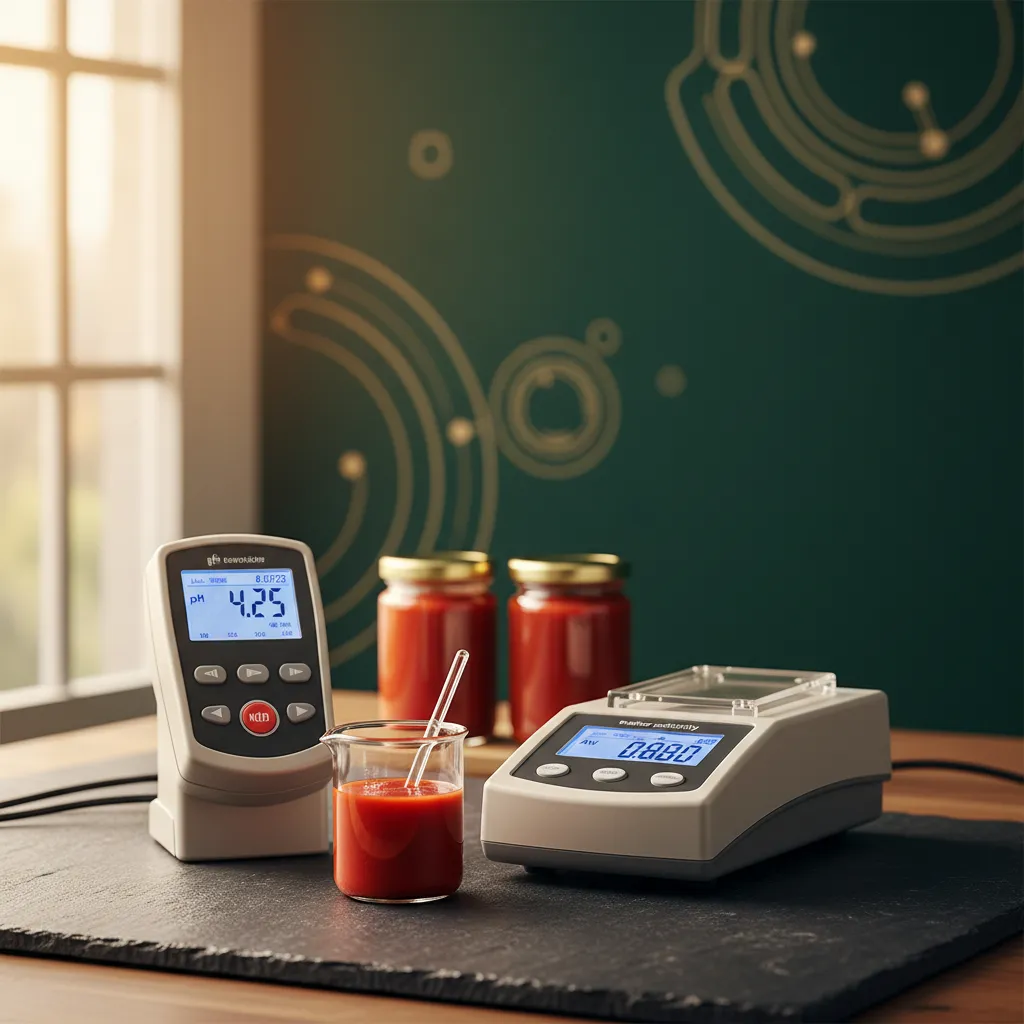
Sugar is dissolved mass. It contributes to your Brix (total soluble solids) and to body and richness on the spoon. Take out several points and the product reads noticeably thinner, even before anyone comments on sweetness. See the writeup on Brix targets in condiment manufacturing.
Browning and depth
In cooked sauces, sugars drive caramelization and Maillard browning, a big part of the deep, roasty color and flavor in a kettle-cooked BBQ sauce or reduced glaze. Strip the sugar and you can lose that color and cooked depth along with the sweetness.
Water activity and preservation
The one founders forget. Sugar binds free water, so in higher-sugar products it lowers water activity (Aw), one of the hurdles keeping microbes from growing, which is why a jam at high Brix is shelf stable largely on the moisture side. Pull sugar out of a product that was leaning on it and you can quietly raise Aw and weaken shelf stability without changing anything you can taste. Verify the safety side of any sugar reduction with your co-packer and a qualified process authority. For the mechanism, see water activity versus pH.
Start With Real Food: Concentrate Fruit and Vegetables
The first place I look for sweetness is not a sweetener at all, but the produce already in, or available to, the recipe. Onions, carrots, red peppers, tomatoes, roasted garlic, apples, pineapple, mango, and dates all carry real sugars plus fiber, pectin, and aromatics that added sugar does not.
Cooking these down does two things at once: it concentrates their natural sugars and builds body from the fiber and pectin they release. A slowly cooked carrot and onion base can deliver a meaningful part of a sauce's sweetness and much of its texture with nothing on the label but vegetables. Concentrated tomato brings sweetness, umami, and color to a ketchup or BBQ base so you lean less on added sugar to make it read "ripe."
The trade-offs are worth naming: produce varies by season, variety, and supplier, so a formulation built on the natural sweetness of fruit needs a Brix spec and a plan for that variation, or your sweetness drifts batch to batch. But when it works, this is the cleanest answer: sweetness and body from food a customer recognizes.
Reduce to Concentrate, and Watch Your Brix
Reduction is the oldest sweetness tool in a professional kitchen, badly underused by founders cutting sugar. When you cook down a sauce, you evaporate water and concentrate everything left behind: natural sugars, acids, and savory solids climb together, and the result reads sweeter, richer, and fuller-bodied without a single added gram.
The discipline is to reduce to a number, not a clock: specify a finished Brix or finished-solids target so the concentration is repeatable at scale, rather than "simmer until it looks right," which produces a different product every batch.
Two honest cautions. Reduction concentrates acid and salt right along with sugar, so a heavily reduced sauce can tip sharp or salty. And long, hot reductions degrade delicate aromatics and dull bright top notes, which is why I often reduce a base hard and then add fresh aromatics, acid, or herbs back at the end to restore lift.
Balance Perceived Sweetness Instead of Chasing It
Here is the technique that surprises founders most: you can often cut real sugar and have the product taste no less sweet, because sweetness is a perception, read in contrast with acid, salt, heat, and aroma. A few practical moves:
- Ease the acid. If a sauce is fighting a lot of vinegar or citrus, some of the sugar is there only to tame that acid. Bring the acid down slightly (within your safety margin, verified for pH) and you need less sugar for the same balance.
- Use salt precisely. Salt suppresses bitterness and lifts perceived sweetness. A small, well-judged salt adjustment can make a lower-sugar sauce taste rounder.
- Let heat and aromatics carry. Warm spices such as cinnamon, allspice, clove, vanilla, and smoked chiles read as "sweet" to most palates even though they contribute no sugar, and ripe or roasted aromas signal sweetness before the sugar on your tongue confirms it. A whisper of vanilla or a touch of cinnamon in a BBQ sauce lets you pull real sugar out while the product still reads rich.
This is the highest-leverage, lowest-cost part of the exercise, and it is invisible on a label. You are not swapping an ingredient; you are engineering the flavor so the sweetness goal and the label goal stop fighting each other.
Roast and Caramelize for Depth
When you cut sugar, products often lose depth and color along with sweetness, because you removed material that was browning during the cook. Much of that comes back through technique.
Roasting onions, garlic, peppers, and tomatoes before they go into the batch develops deep, sweet-savory, caramel notes through browning of their own natural sugars. Caramelizing an onion or charring a pepper creates compounds that read as richness and roundness, the same impression a spoonful of brown sugar was giving you, but sourced from the vegetable itself. A controlled amount of caramelization in the kettle, or a roasted component built in prep, replaces a real fraction of the depth sugar was carrying.
Browning is a flavor and food-safety variable, not just a color one: deeper cooks change your process, color spec, and sometimes finished pH and moisture, so any roasting or caramelization step belongs in the production sheet and gets validated at pilot, not improvised on the line.
Naturally Sweet Ingredients, Used With Honesty
Sometimes you do want to add a sweetener, and the real-food answer is a recognizable one: date paste, honey, molasses, maple, or a concentrated fruit component. These bring complexity white sugar does not, so a little goes further than a lot of a neutral sweetener: molasses adds deep, savory sweetness to a BBQ sauce, dates bring caramel and body, honey brings floral character.
Now the honesty, because founders get burned here. Swapping white sugar for honey, molasses, maple, or concentrated fruit juice usually does not lower the added-sugar number on your Nutrition Facts panel: under current FDA labeling rules those sweeteners generally count as added sugars, same as cane sugar. They make a cleaner ingredient statement and better flavor, but that is a story-and-taste upgrade, not a math trick that shrinks the sugar line. Whole fruit and vegetable purees are treated differently, one more reason I favor concentrating real produce over dosing in a syrup. Confirm how any ingredient is classified with your labeling consultant, since the rules change.
Where High-Intensity and Processed Sweeteners Actually Fit
Real-food strategies get most founders most of the way there. The processed sweeteners are tools, each solving part of the sugar problem and creating its own. None is my first move, and I treat every one as a clean-label compromise you make with eyes open, not a default.
The core issue: the high-intensity sweeteners are hundreds of times sweeter than sugar, so they replace the taste of sweetness while contributing none of the body, browning, or preservation. That missing bulk must be rebuilt with something else, which is why "just add stevia" rarely produces a product anyone wants.
Allulose
The rare sugar that behaves most like sugar: it browns, adds some bulk, and reads clean at roughly 70 percent of sucrose sweetness. Under current US labeling it is generally excluded from total and added sugars, which is attractive on a panel. It is the most functional processed option, but the trade-offs deserve scrutiny: it is expensive, can cause digestive upset at higher levels, moves around in availability and cost, and is still a manufactured ingredient a discerning shopper may question.
Monk fruit extract
Very high intensity, no meaningful calories, plant-derived which helps the label story. But it contributes no body or browning, can carry a lingering or off sweetness at higher doses, usually needs a bulking agent to rebuild lost mass, and is costly per unit of sweetness.
Stevia
Plant-derived and high intensity. The persistent knock is a licorice-like or bitter aftertaste that grows as you use more. No body, no browning, no preservation, so it works better in small blended amounts than as a sole sweetener.
Erythritol
A sugar alcohol that adds real bulk at about 70 percent of sugar's sweetness. But it produces a distinct cooling sensation out of place in a warm, savory sauce, has a digestive tolerance ceiling, does not brown, and does not lower water activity, so it does nothing for preservation. It has also drawn recent health-headline scrutiny, a label-optics risk worth weighing.
Notice the pattern: every one buys you a lower sugar number and hands you a new problem, whether aftertaste, cooling, cost, missing body, lost browning, or lost preservation. A small, blended dose can be the right final adjustment after the real-food work is done, but leading with them instead of concentrated produce, reduction, and balance is how you end up with a technically-lower-sugar sauce that no one reorders. Real food first, processed sweeteners last, and only with a clear reason.
Don't Cut Sugar and Forget the Shelf
The mistake that hurts most: sugar was helping keep your product safe, and removing it can raise water activity and lean harder on your other hurdles. Design the whole system, not just the flavor. That may mean tightening pH with the right acid, adjusting your thermal process, or managing Aw with the remaining solids, and only as a last resort a clean-label preservative. Each is a food-safety decision, so validate it at pilot and sign it off with a qualified process authority and your co-packer before it ships.
Related Reading
For the numbers and safety systems behind everything above, see Brix targets in BBQ and condiment manufacturing, balancing flavor and shelf stability in condiment formulation, and water activity versus pH for shelf stability.
Frequently Asked Questions
If I switch from cane sugar to honey or dates, will my added-sugar number drop?
Usually not. Under current FDA labeling rules, honey, molasses, maple syrup, and concentrated fruit or vegetable juices used as sweeteners generally count as added sugars, same as cane sugar; they improve the ingredient statement and flavor but do not shrink the added-sugar line. Whole fruit and vegetables are treated differently and can help, so confirm any specific ingredient with your labeling consultant.
Is allulose worth using for a lower-sugar sauce?
It can be, because it behaves most like sugar: it browns, adds some body, and is generally excluded from added sugars on current US labels. The trade-offs are cost, possible digestive effects, moving availability, and that it is still a manufactured ingredient some shoppers question, so I reach for it only after the real-food strategies are exhausted.
Will cutting sugar hurt my shelf life?
It can. Sugar lowers water activity, one of the hurdles preventing microbial growth, so reducing it may raise water activity without changing anything you can taste. Compensate through pH, thermal process, or moisture management, and verify with a qualified process authority and your co-packer. Never treat a sugar reduction as a flavor-only change.
How much sugar can I cut before customers notice?
More than most founders expect, if you use technique rather than pure subtraction. Concentrating real produce, reducing to a Brix target, easing acid, dialing salt, and leaning on warm aromatics can pull a meaningful amount while the product still reads balanced and rich, so do it in steps and stop before balance breaks.
Where This Becomes Real Work
Reducing sugar well is not a swap. It is a rebuild: naming every job sugar was doing, replacing each with real food wherever possible, and only then deciding whether a processed sweetener earns a place in the final adjustment. Done in that order, you protect the flavor customers love and the shelf stability the product depends on at the same time. If you are staring at a "cut the sugar" brief and don't want to gamble your best-selling sauce, this is exactly the kind of reformulation I work through with founders, real food first. Book a Free Discovery Call and we will map the lowest-sugar version of your product that still tastes like yours.
Need Help With Your Formulation?
Whether you're scaling your first recipe or reformulating an existing product, let's talk about how to get it right.
Book a Free Discovery Call