The Moment COGS Becomes the Problem
Every CPG founder meets this moment. You've priced your product for a market that accepted it at launch. A year or two in, ingredient costs have drifted up, a retailer is asking for a better wholesale, or a buyer is threatening to delist unless margin improves. Your spreadsheet tells you that a 10-15% cost reduction changes everything; your taste memory tells you the recipe is already where it needs to be.
The good news: meaningful COGS reduction without touching perceived flavor is possible on many products. The better news: most of it doesn't live in "cheaper ingredients." It lives in yield, waste, substitution, and process efficiency — places most founders haven't systematically looked.
Where COGS Actually Lives
Before cutting anything, get an honest look at where each dollar goes. A typical breakdown for a kettle-cooked sauce or condiment might look roughly like:
40-55%: Ingredients
15-25%: Packaging (jar, closure, label, case)
15-25%: Co-packer labor and overhead
5-10%: Freight and warehousing inbound and outbound
Those percentages vary a lot by category and volume. But the map tells you where a reformulation saves money and where it doesn't. A 10% ingredient cost reduction moves total COGS by 4-5 points on a typical profile. A 10% packaging change moves it by 2-3. Reallocating cook time to avoid overtime on the production floor can move it by 1-2. These stack.
The Four Levers (That Don't Hurt Flavor)
1. Ingredient substitution, not downgrading
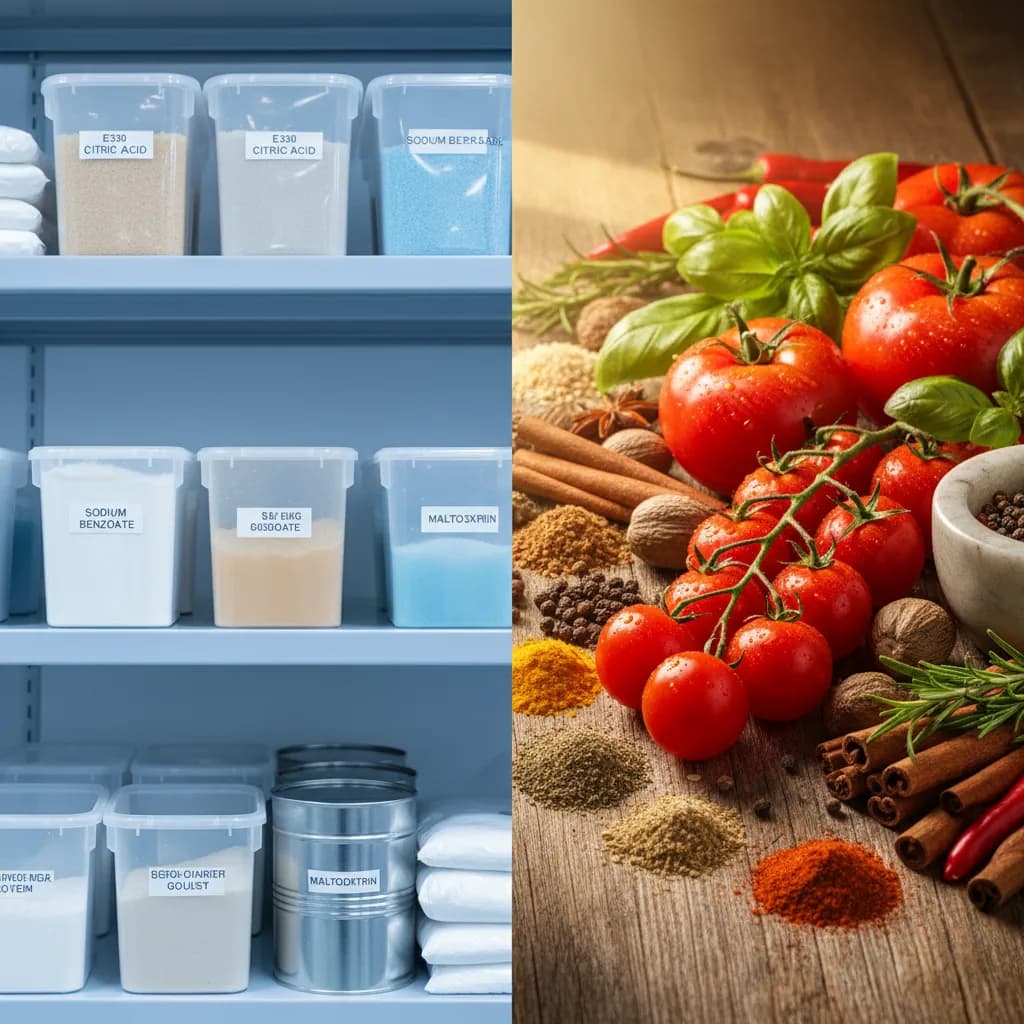
The instinct is to swap a premium ingredient for a cheaper version. That usually does hurt flavor. The better move is functional substitution: replacing an ingredient with something that performs the same job at lower cost without the downgrade. A specific example: one of the most common reformulations I run is replacing a high-cost, low-volume vinegar with a blend of a workhorse vinegar and a concentrated acid-adjusted ingredient that reproduces the same acid and flavor profile at 20-30% lower cost. The finished product is indistinguishable in blind panels.
2. Yield and waste reduction
Every batch has a theoretical yield and an actual yield. The gap is overcooking, over-evaporation, spillage, pan residue, packaging rejects, and batch start/end losses. Founders are often shocked to see their actual yield sitting 8-15% below theoretical — and that gap is pure margin. Closing even half of it is usually more impactful than any ingredient swap.
3. Process efficiency
If your recipe can hit the same finished product in a shorter cook with tighter controls, you save kettle time, utility costs, and labor. This doesn't mean compromising flavor development — it means identifying the parts of your cook that aren't actually earning their minutes. Most scaled recipes I audit have 10-20 minutes of "legacy" cook time that hasn't been tested against finished-product outcome.
4. Ingredient consolidation
Fewer unique ingredients means lower minimum orders, less dead stock, and simpler sourcing negotiations. A recipe that uses two different vinegars when one would suffice, or three forms of the same spice when one multipurpose form works, is paying a complexity tax. Consolidation often pays back more than the ingredient-level savings because of MOQ dynamics.
The Levers That Usually Do Hurt Flavor (Use Carefully)
For completeness — these exist, but they're risky:
Dilution. Stretching a recipe with water, filler starches, or neutral bulk ingredients almost always gets noticed by loyal customers. It's the fastest way to erode a premium brand.
Cheap replacement oils or sweeteners. Swapping extra-virgin olive oil for a blended oil, or cane sugar for a bulk sweetener, changes mouthfeel and perceived quality. Sometimes worth it, often not.
Synthetic flavor replacements. Replacing real aromatics with flavor extracts or artificial components is usually a short-term cost win and a long-term brand problem — especially in the natural channel.
For related context, see the hidden cost of cheap ingredients.
A Framework for Running a Cost Reformulation
If you're serious about cutting costs without flavor erosion, I work with founders in roughly this sequence:
Audit first, reformulate second. Pull the current BOM, the current process, and the current yield data. Quantify where the dollars go and which ingredients have the widest variance.
Identify substitution candidates. Group ingredients by functional role (acid, thickener, aromatic, color). Look for functional equivalents with better cost profiles — not ingredient names that sound similar.
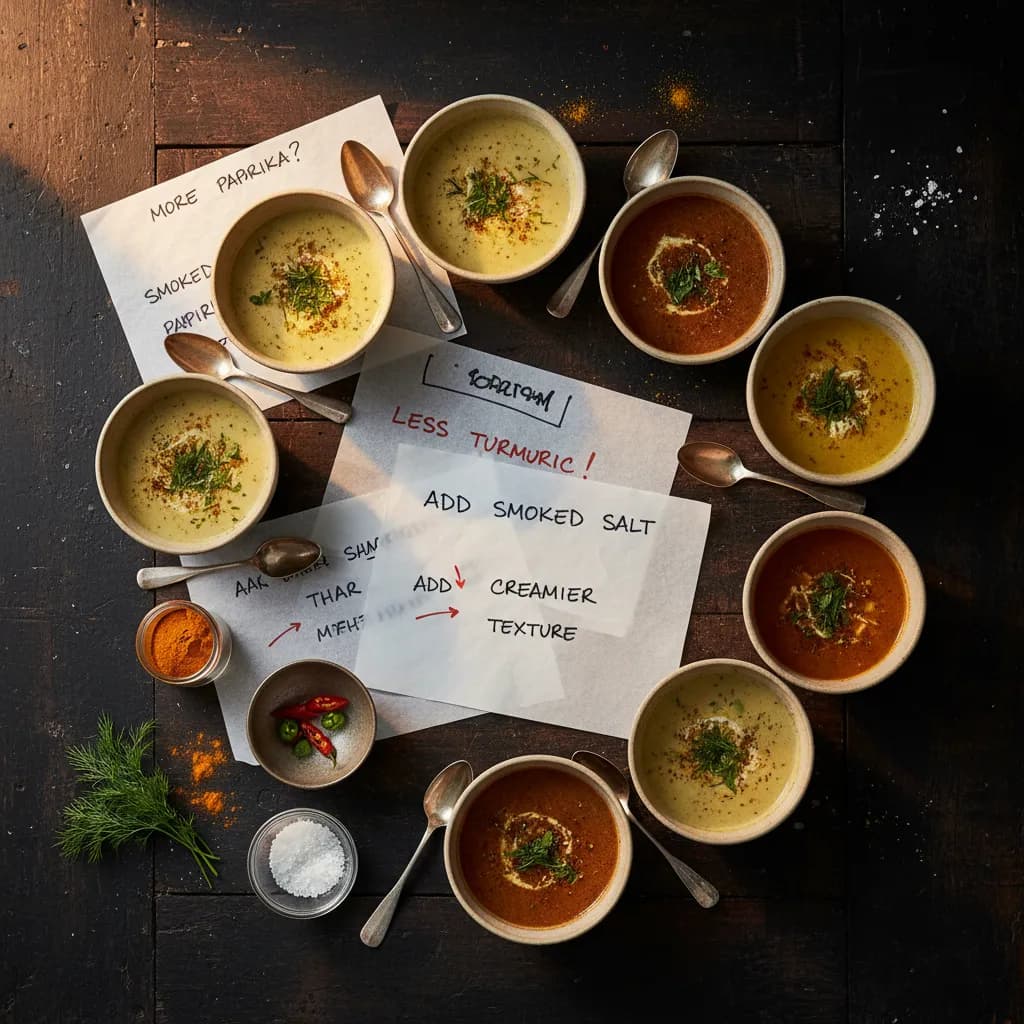
Run paired sensory testing. Blind triangle tests with your internal panel and with a cross-section of your customers. If a change is indistinguishable, you can make it. If it's detectable but "not worse," be cautious. If it's detectable and worse, throw it out.
Test at scale before committing. A bench-scale reformulation that looks great often behaves differently in a 200-gallon kettle. Validate at production scale before updating the production spec.
Update documentation fully. New formulation spec, updated nutrition facts panel if needed, fresh process authority review if the change touches pH or water activity. For context, see water activity vs pH and FDA process authority letters.
What's Realistic to Expect
Depending on the category and how optimized the current recipe already is, meaningful reformulations often find 5-15% in total COGS reduction without a detectable flavor change in blind testing. Some products have less room (already-optimized recipes, commodity-driven categories). Some have more (legacy recipes that have never been systematically audited). No blog can promise a specific number — the opportunity is product-specific.
Frequently Asked Questions
How do I know if my current recipe is already optimized?
Ask: when was the last time someone deliberately challenged each ingredient choice against cost, functionality, and availability? If the answer is "never" or "when I first wrote it three years ago," there's almost always room. If the answer is "last year by a formulator," less.
Will my customers notice?
They'll notice if you change something perceivable. The discipline of cost reformulation is specifically to avoid that. Proper paired testing lets you know before you ship whether a change is detectable.
Can I reformulate just for certain customers or channels?
Technically yes, but operationally it's expensive. Running two formulations in a co-packer means double the changeovers, double the ingredient SKUs, and double the QC overhead. Usually not worth it unless you're talking about format differences (foodservice vs. retail) rather than recipe differences.
How long does a cost reformulation engagement typically take?
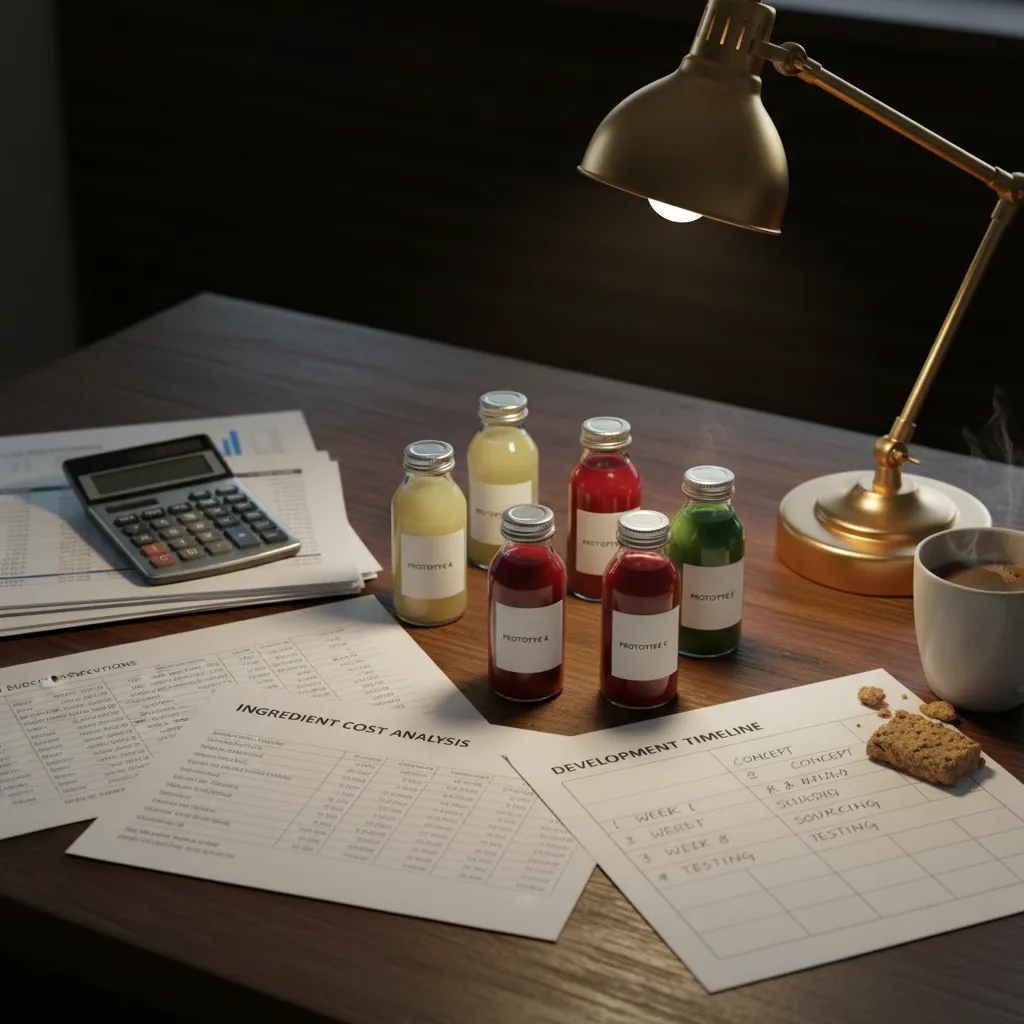
For a single SKU, 6-10 weeks from audit to production-ready revised spec is common, depending on complexity and how much sensory testing is needed. Product lines with shared bases can run through faster because changes propagate.
Where This Becomes Specific Work
The framework above is the public-facing shape. The specific substitutions that work for your recipe — which ingredient pairs I've seen consistently hold flavor, where your particular process is leaking yield, what your co-packer's equipment can absorb without renegotiation — those are calibrations that come out of hands-on work on your product. If you're looking at pressure on margins and you'd rather not pass it to customers, a discovery call is a reasonable way to start.
Need Help With Your Formulation?
Whether you're scaling your first recipe or reformulating an existing product, let's talk about how to get it right.
Book a Free Discovery Call